Skip to content

Reviewed by

Web3 Development Company

As a leading Web3 development company, we deliver comprehensive Web3 solutions that transform businesses through decentralized applications, smart contracts and blockchain technology.

  • 30+ blockchain projects
  • 7+ years in Web3
  • 101 Clutch reviews

Your business results matter

Achieve them with minimized risk through our bespoke innovation capabilities

Your contact details
Please enter your name
Please enter a valid email address
Please enter your message
* required

We typically reply within 4 hours. Prefer email? hello@pharosproduction.com

As a leading Web3 development company, we deliver comprehensive Web3 solutions that transform businesses through decentralized applications, smart contracts and blockchain technology. Our expert team builds scalable, secure dApps, NFT platforms, DeFi ecosystems and enterprise blockchain solutions tailored to your vision. From discovery to deployment, we provide end-to-end Web3 development services that enable innovation and seamless integration with existing infrastructure.

Reviewed and updated
Last reviewed by Dmytro Nasyrov, Founder and CTO. Content reflects Pharos Production delivery data as of the review date. Editorial policy.

What is Web3 development?

Web3 development is the engineering of applications that combine traditional web and mobile UIs with on-chain components: smart contracts, wallets, decentralized identity, token-gated experiences, decentralized storage (IPFS, Arweave) and composability with DeFi, NFT and DAO primitives. It sits at the intersection of blockchain engineering and product engineering: the on-chain code carries economic and security guarantees, while the off-chain UI must hide wallet complexity from non-crypto users. Pharos has shipped Web3 products for marketplaces, gaming, social, loyalty and financial services since 2018.
Authoritative citations 12 sources
  1. Ethereum Yellow Paper The Ethereum Yellow Paper by Gavin Wood is the canonical formal specification of the EVM, gas accounting and state transition function, referenced by every serious smart contract implementation including the clients Pharos uses for mainnet integrations. ethereum.github.io
  2. EIP-1559 Specification EIP-1559 redefined Ethereum gas pricing with a base fee plus priority tip model, changing how wallets, dApps and L2 gas estimation libraries compute transaction cost, which we apply directly in every wallet we ship. eips.ethereum.org
  3. Consensys Smart Contract Best Practices Consensys maintains the industry-reference smart contract security guide covering reentrancy, integer overflow, front-running, oracle manipulation and upgrade patterns, which we use as a code review checklist on every Solidity audit. consensys.github.io
  4. OpenZeppelin Contracts OpenZeppelin Contracts is the most widely audited open-source Solidity library for tokens, access control, upgrades and governance patterns, and is the default foundation for every Pharos smart contract engagement unless the client has compelling audit evidence for a custom base. docs.openzeppelin.com
  5. Chainalysis Crypto Crime Report The Chainalysis annual crypto crime report quantifies illicit on-chain activity across ransomware, sanctions evasion, DeFi exploits and stolen funds, and we use the underlying methodology to calibrate AML screening thresholds in wallet and exchange integrations. chainalysis.com
  6. Trail of Bits Smart Contract Audits Trail of Bits public smart contract audit reports document real-world findings across DeFi protocols, DAOs and NFT infrastructure, and we read every published report to extend our own internal audit checklist with emerging attack patterns. github.com
  7. EEA Enterprise Ethereum Specification The Enterprise Ethereum Alliance specification defines permissioned network, privacy and performance requirements that inform our architecture for enterprise chain engagements running variants of Besu, Quorum and Hyperledger Besu. entethalliance.org
  8. Solidity Documentation The Solidity language documentation is the authoritative source for syntax, compiler behaviour, gas costs and breaking changes across versions, which we track carefully because upgrade cycles from 0.8.x to 0.9.x affect every contract in production. docs.soliditylang.org
  9. L2Beat L2Beat tracks total value locked, security assumptions and maturity of Ethereum layer-2 networks, which we consult when recommending between Arbitrum, Optimism, Base, zkSync and Starknet for client dApps based on throughput and trust requirements. l2beat.com
  10. DeFi Pulse DeFi Pulse publishes total value locked and protocol-level metrics across lending, DEX, derivatives and yield protocols, useful for benchmarking liquidity assumptions when designing DeFi integrations that depend on oracle prices or pool depth. defipulse.com
  11. Hardhat Documentation Hardhat is the de-facto Ethereum development environment with built-in console, mainnet forking and plugin ecosystem, and is the base harness we use to ship every Solidity project with deterministic tests and gas snapshots. hardhat.org
  12. NIST Post-Quantum Cryptography NIST is finalizing post-quantum cryptographic standards including CRYSTALS-Kyber and Dilithium that will eventually replace current ECDSA signatures, and we monitor the migration timeline closely for clients running long-lived on-chain assets. csrc.nist.gov
What we do not do:
  • Web3 products where wallet UX friction will kill consumer adoption
  • Projects that force blockchain onto workflows that do not need trustless execution
  • Token launches without legal counsel on securities classification
  • Web3 games with unsustainable token economics (play-to-earn without a sink)

Services

Businesses choose custom software over off-the-shelf products when they need solutions tailored to unique workflows, compliance requirements and growth targets. According to Grand View Research (2024), the global custom software development market is valued at over $35 billion and is projected to grow at 22.3% CAGR through 2030. Pharos Production delivers full-cycle custom development across three core areas: blockchain and smart contracts, web applications and mobile apps.

  • Web3 Application Development

    We develop custom decentralized applications with intuitive interfaces and robust architecture. Our dApp development covers on-chain and off-chain workflows, microservices, and integration with leading blockchains including Ethereum, Solana, and Polygon.

    Explore Web3 Application Development
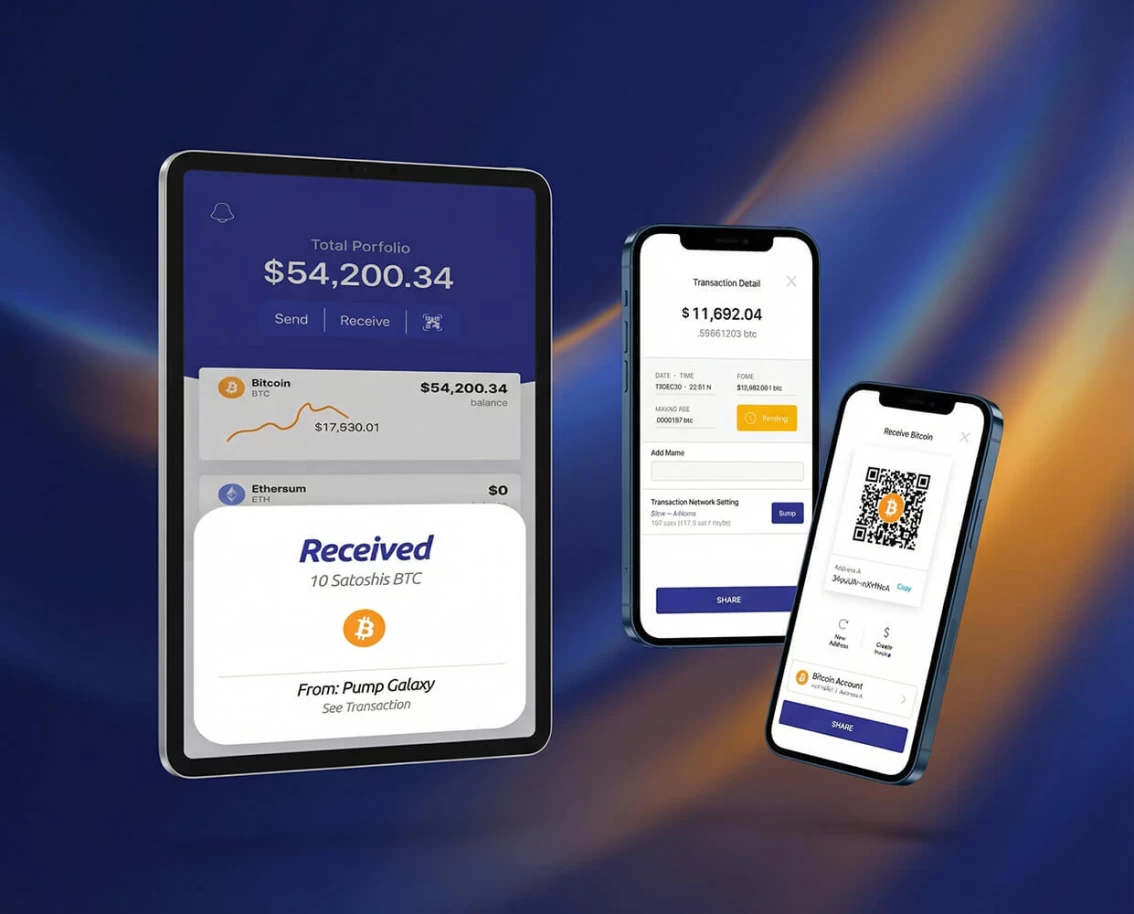
  • Web3 Integration Services

    Seamlessly integrate Web3 functionality into your existing systems. Our blockchain integration services connect your infrastructure with smart contracts, wallets, and decentralized protocols - enabling automation, enhanced security, and new capabilities without disrupting operations.

    Explore Web3 Integration Services
  • Smart Contracts Development

    Our development experts create secure, gas-optimized smart contracts using Solidity and Rust. We handle architecture, development, audit, and deployment - covering DeFi primitives, governance, token modules, and upgradeable patterns with rigorous security testing.

    Explore Smart Contracts Development
  • DApp Development

    Build powerful dApps that ensure transparency, trust, and exceptional user experiences. From FinTech and gaming to enterprise solutions, we deliver decentralized applications with scalable backends and intuitive frontends across different blockchain networks.

    Explore DApp Development
  • NFT Development & Marketplace

    Full-cycle NFT solutions: minting contracts, branded NFT platforms, wallets, cross-chain bridges, and royalty engines. Our NFT marketplace development services are built for scalability, verifiable scarcity, and seamless UX.

    Explore NFT Development & Marketplace
  • Web3 Platform Development

    Launch custom Web3 platforms including DAOs, token-gated communities, and decentralized marketplaces. We define your architecture, build intelligent systems, and optimize for growth within the Web3 ecosystem.

    Explore Web3 Platform Development
  • Cross-Chain Development

    We build cross-chain bridges and interoperability solutions that enable seamless asset transfers across different blockchain networks, expanding your blockchain ecosystem reach.

    Explore Cross-Chain Development

  • DeFi Development

    We engineer DeFi protocols for lending, borrowing, staking, yield farming, and trading. Our solutions feature oracle integrations, governance mechanisms, enhanced security audits, and polished interfaces for rapid user adoption.

    Explore DeFi Development
  • Cryptocurrency Exchange Development

    Comprehensive exchange platforms - CEX, DEX or hybrid - with matching engines, liquidity aggregation, fiat rails, KYC/AML, advanced trading tools, and real-time monitoring for FinTech and enterprise clients.

    Explore Cryptocurrency Exchange Development

  • Cryptocurrency Wallet Development
    Secure multi-chain wallet solutions (mobile, web, custodial) with seed management, biometrics, SDK integrations, and institutional cold-storage workflows. We ensure enhanced security and seamless user experiences across devices.

    Explore Cryptocurrency Wallet Development
  • Web3 Games Development
    Craft immersive Web3 games with play-to-earn mechanics, NFTs, and virtual worlds. Our gaming solutions integrate reward systems, metaverse environments, and blockchain technology to create engaging interaction and new revenue streams.

    Explore Web3 Games Development
Web3 development at Pharos Production at a glance

  • Web3 products: 20+ Web3 applications shipped since 2018 (marketplaces, gaming, social, loyalty, DeFi, identity)
  • Smart contracts: 100+ contracts deployed to mainnet across 7+ EVM chains and Solana with zero critical vulnerabilities
  • Wallet UX: Account abstraction (ERC-4337), embedded wallets (Privy, Dynamic, Web3Auth), social login, gasless transactions via paymasters
  • Stack: Solidity, Vyper, Rust, Next.js + wagmi + viem, RainbowKit, Privy, Dynamic, IPFS, Arweave, The Graph, custom indexers
  • Pricing: Web3 MVP $50,000-$150,000; full product $150,000-$500,000+; infrastructure retainers from $8,000/month
  • Timeline: Discovery 2-4 weeks; MVP 10-16 weeks; production product 5-9 months with external audit cycle
  • Chains: Ethereum, Polygon, Arbitrum, Optimism, Base, BSC, Avalanche, Solana, TON
  • Honest scope: We decline Web3 projects where wallet UX friction will kill adoption and force token launches without legal counsel

Our Software Development Expertise

Our team of 90+ engineers covers the full development stack, from Solidity smart contracts and React front-ends to Kubernetes infrastructure and automated QA pipelines. Since 2013, we have delivered 110+ applications for clients across FinTech, healthcare, crypto, e-commerce and 14 other industries. Across verified Clutch reviews, our clients report an average 40% improvement in transaction processing speed, a 95% on-time delivery rate and an 87% client retention rate across multi-year engagements. Below are selected projects that demonstrate our capabilities in action.

  • PumpTap crypto wallet multi-chain asset dashboard
    PumpTap Crypto Wallet - application interface, screen 2
    PumpTap Crypto Wallet - application interface, screen 3
    Web3 & Blockchain

    PumpTap Crypto Wallet

    Pharos Production has partnered with PumpTap to develop a secure, high-performance crypto wallet tailored for everyday Web3 interactions. PumpTap lets users store, send and manage digital assets across multiple blockchains through a simple, intuitive interface. Built on a scalable, event-driven architecture, the wallet delivers real-time transaction updates, robust security and seamless integration with decentralized applications.

  • Ludo soulbound NFT reputation profile showing on-chain trust metrics
    Ludo reputation scoring interface with cross-chain blockchain data visualization
    Ludo Web3 reputation platform dashboard showing wallet trust scores and activity feed
    Web3 & Blockchain

    Ludo. Reputation platform of Web3

    Pharos Production partnered with Ludo to build a global cross-chain reputation system that makes trust transparent and portable across the Web3 ecosystem. Using AWS, Kubernetes, Istio, Kafka, Flink, Cassandra, Pinot and Solr, the platform processes blockchain data in real time to generate soulbound NFT-based reputation scores. With web, browser and Telegram interfaces, Ludo empowers users, curators and builders to identify trustworthy projects, integrate reputation APIs and strengthen community engagement. The result is a scalable, real-time trust layer that has been driving adoption in Web3 since 2021.

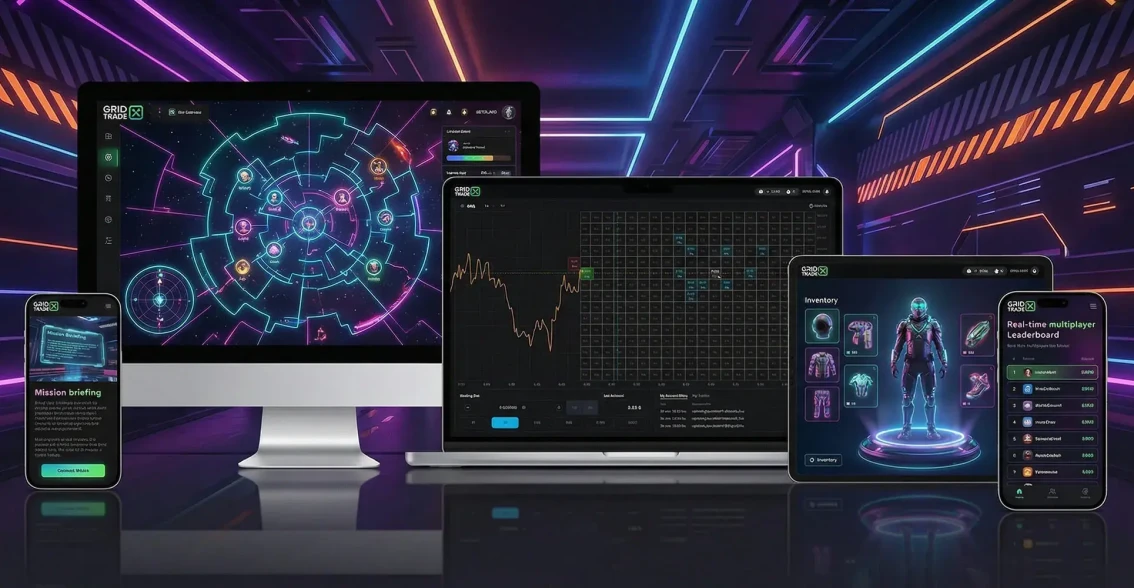
  • GridTradeX. Crypto Prediction Game. - application interface, screen 1
    GridTradeX. Crypto Prediction Game. - application interface, screen 2
    GridTradeX. Crypto Prediction Game. - application interface, screen 3
    GridTradeX. Crypto Prediction Game. - application interface, screen 4
    GridTradeX. Crypto Prediction Game. - application interface, screen 5
    Casino & Sportsbook

    GridTradeX. Crypto Prediction Game.

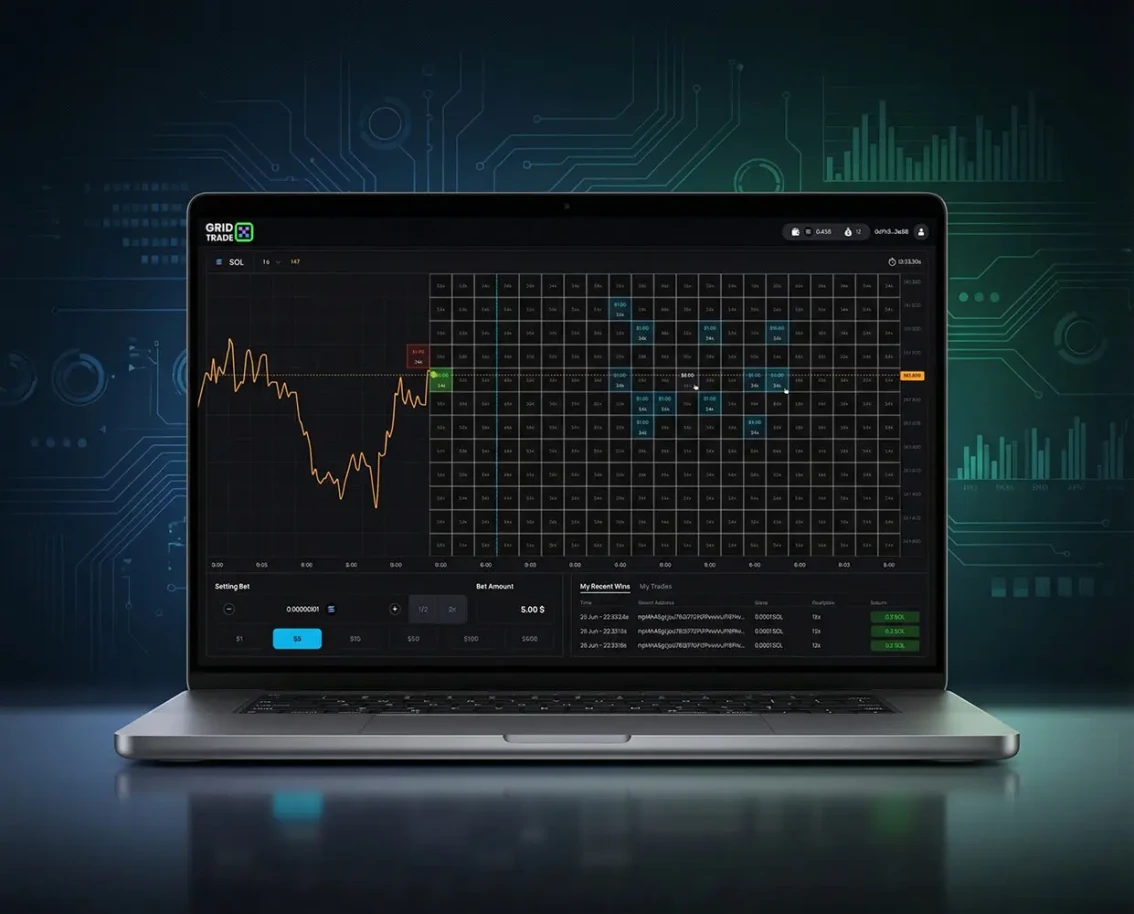
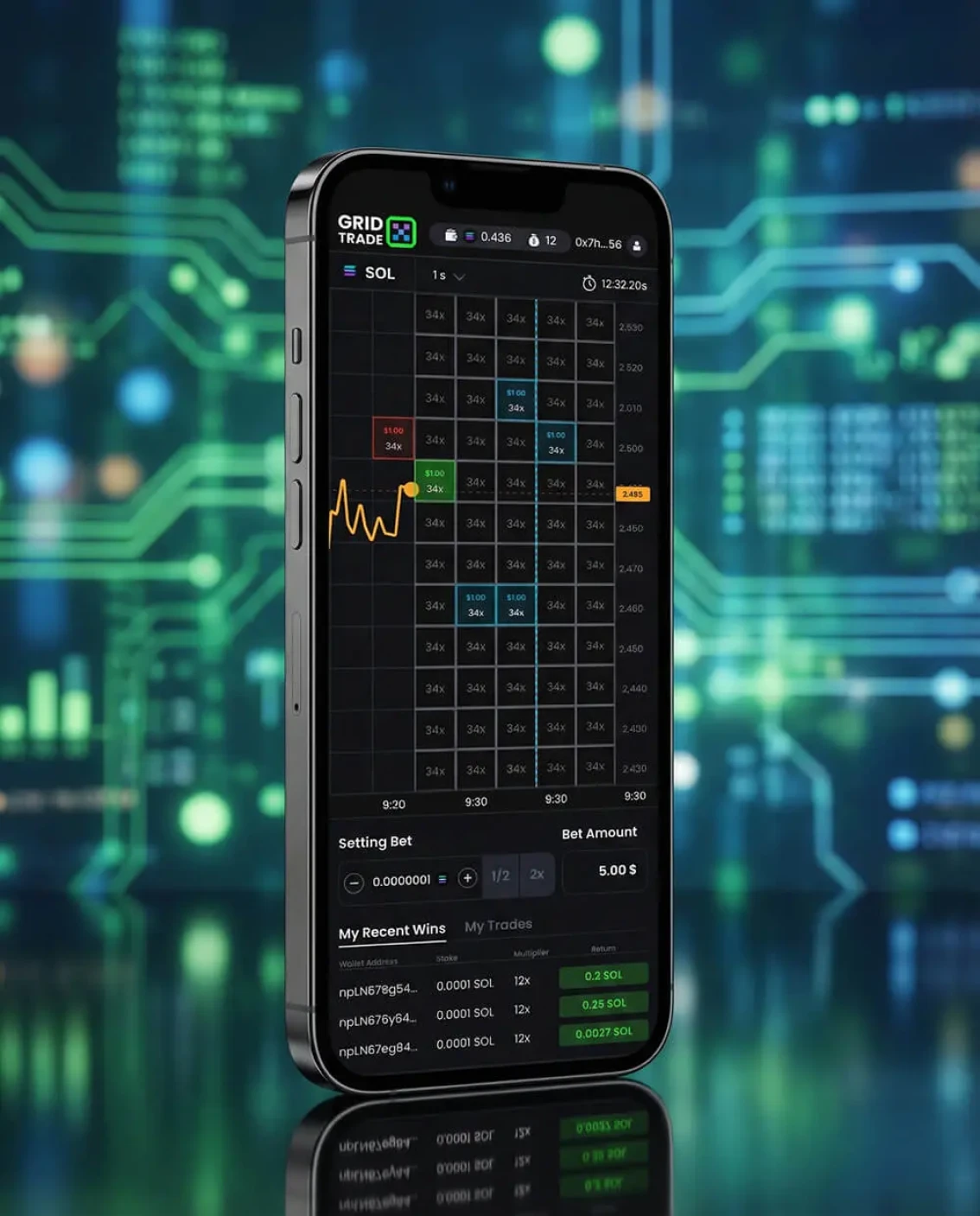
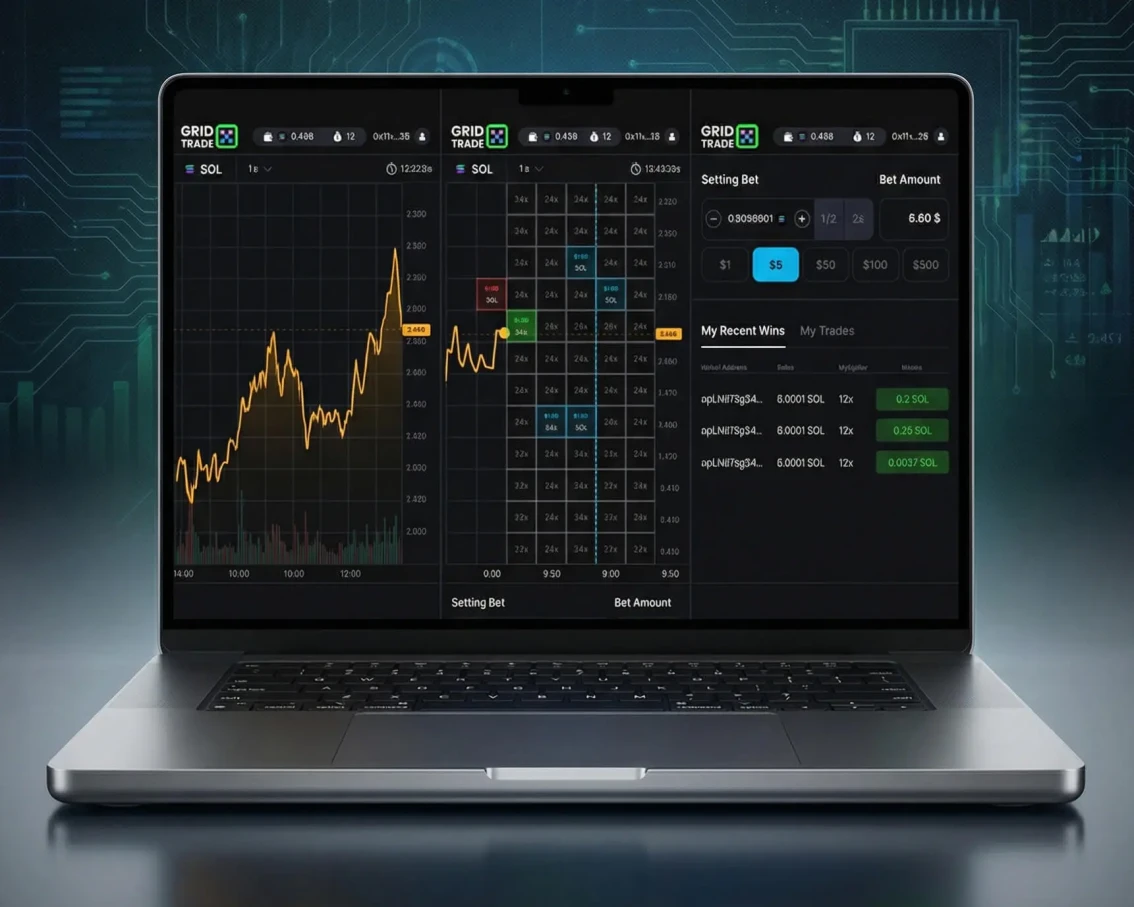
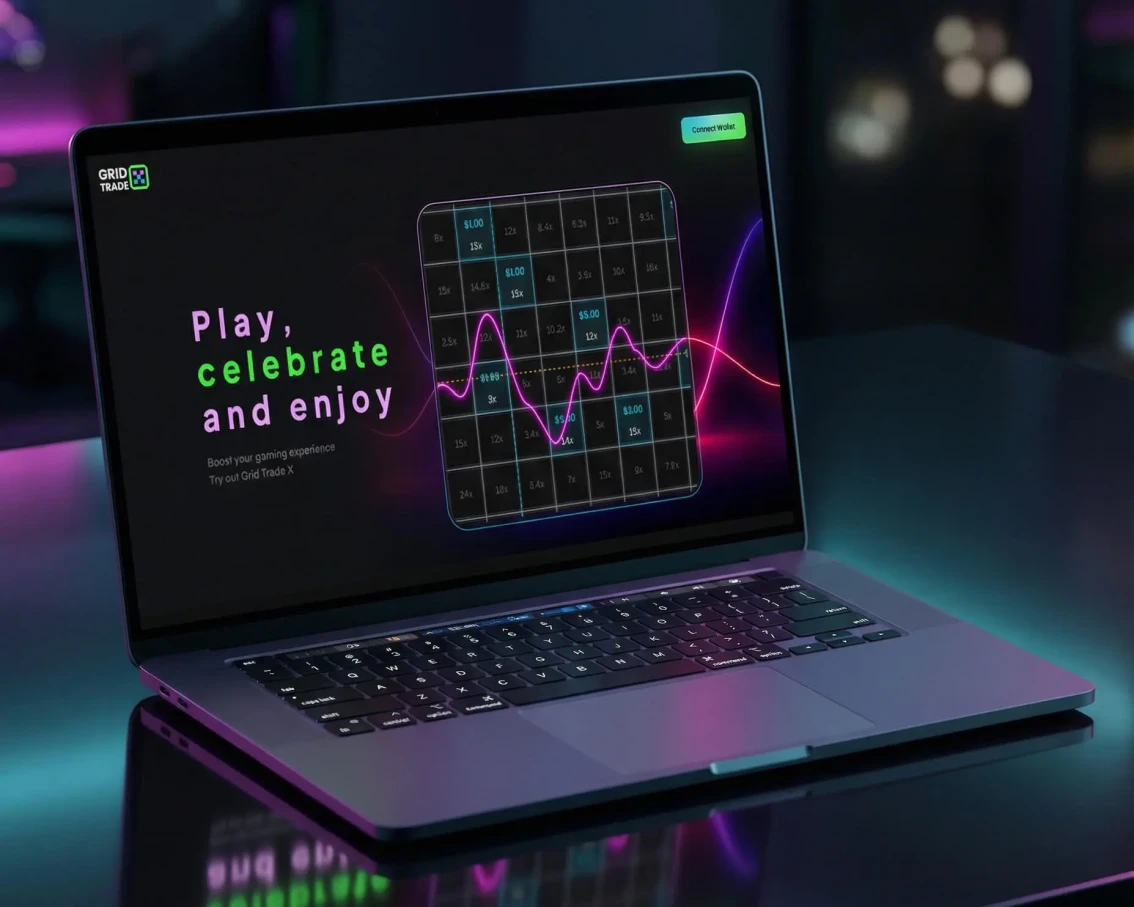
    Pharos Production partnered with Grid Trade X to develop a global crypto prediction platform that blends the excitement of trading with the speed of gaming. Built on AWS with Kubernetes, Istio, Kafka, Flink, Cassandra and smart contracts, the system provides instant price-based predictions, rapid betting rounds and on-chain transparency. The result is a highly engaging, scalable game that increased daily active users, extended session lengths and delivered a smooth, fair and secure experience for players worldwide.

  • Dostyq blockchain loyalty platform - screenshot 1
    Dostyq blockchain loyalty platform - screenshot 2
    Dostyq blockchain loyalty platform - screenshot 3
    E-Commerce

    Dostyq. Loyalty Platform.

    Pharos Production partnered with Dostyq to create a modern loyalty and rewards platform that helps users collect, manage and exchange bonuses, gift certificates and cashback in one place. The app makes reward usage easier by enabling instant and secure transfers and redemptions. Since 2018, Dostyq has become a trusted shopping partner in Kazakhstan, increasing customer engagement and helping retailers strengthen loyalty programs on a large scale.

About the founder and CTO

Dmytro Nasyrov

Dmytro Nasyrov

Founder and CTO Pharos Production

Ask the founder a question

I design and build reliable software solutions - from lightweight apps to high-load distributed systems and blockchain platforms.

PhD in Artificial Intelligence, MSc in Computer Science (with honors), MSc in Electronics & Precision Mechanics.

  • 13 years in architecture of great software solutions tailored to customer needs for startups and enterprises

  • 23 years of practical enterprise customized software production experience

  • Lecturer at the National Kyiv Polytechnic University

  • Doctor of Philosophy in Artificial Intelligence

  • Master's degree in Computer Science, completed with excellence

  • Master's degree in Electronics and precision mechanics engineering

Pharos Production - Describe your idea & get a quote in 48h! Get an estimate for the costs, timeline & the team layout needed for your project Get a project estimate.

From idea to live Web3 product

Web3 projects follow Pharos Verified Delivery with Web3-specific gates: discovery includes threat modeling, economic design review and wallet UX strategy; build includes Slither/Mythril/Foundry in CI plus account-abstraction UX decisions; production readiness covers external audit coordination, multi-sig deployment and indexer infrastructure; support includes monitoring, bridge health and governance operations.

Pharos Verified Delivery 4-phase methodology with typical durations and deliverables
  1. Phase 01 / 04

    Paid Discovery

    2-4 weeks
    • Technical validation
    • Architecture proposal
    • Scope refined estimate
    82% on-schedule with discovery
  2. Phase 02 / 04

    Iterative Build

    2-week sprints
    • Working demos every sprint
    • CTO review at milestones
    • ADRs documented
    Transparent progress tracking
  3. Phase 03 / 04

    Production Readiness

    • Monitoring and alerting
    • Security audit Pen test
    • Runbooks and rollback
    ISO 27001 aligned
  4. Phase 04 / 04

    Support

    Ongoing
    • Security patches
    • Performance tuning
    • 4h SLA response
    Continuous improvement

Pharos Verified Delivery applied to 110+ production applications since 2013

Web3 products in the wild

Three Web3 launches where wallet UX and economic design shaped the outcome more than the smart contracts did.

Token-gated marketplace

Q2 2025 · Creator marketplace, global
Before

Traditional marketplace with Stripe checkout. Creators wanted on-chain royalty enforcement but faced 40%+ drop-off on wallet connect.

After

Account abstraction with embedded wallets (Privy). Users onboard via email, wallet created in background. Drop-off reduced to 6%. On-chain royalties enforced via ERC-2981 + marketplace policy.

Account abstraction was the unlock - users get a wallet as a side effect of signing up with Google or email, and only see the wallet when they cash out. We kept the payment rails on Stripe for fiat and used USDC on Base for the on-chain portion.

Web3 loyalty program

Q4 2024 · Consumer brand, US
Before

Traditional points-based loyalty with 14% redemption rate. Points locked to the brand, no secondary market, no transferability.

After

On-chain loyalty tokens with secondary market + cross-brand composability. Redemption rate up to 47%. 28% of customers held tokens across 30 days indicating sticky engagement.

We built a non-custodial wallet via AA so customers never saw a seed phrase. Tokens live on Base for cheap transfers. The secondary market is optional - most users just redeem for rewards, the tradable feature mostly builds ownership psychology.

Gaming asset infrastructure

Q1 2025 · Mid-core mobile game, APAC
Before

In-game items locked to the game. Players had no ownership and no secondary market. Publisher wanted optional on-chain trading without forcing crypto on the base player.

After

Dual-layer economy: in-game items are traditional; players can opt-in to mint items as ERC-1155 for trading on a marketplace. 8% of players opted in, contributing 23% of total item revenue. Base game remained unchanged for the other 92%.

The key design call was not to force blockchain on anyone. Players who want trading opt in, mint items on-chain, trade them and can burn them back to the game. Players who do not care never see a wallet.

Client names anonymized under NDA. Full case studies at /cases/.

When Web3 is not the answer

We decline roughly 30% of RFPs we receive. Forcing a bad fit costs both sides 3-6 months and damages outcomes. Here is how we think about scope:

Projects we decline
  • Consumer products where wallet UX friction will kill mainstream adoption
  • Projects that force blockchain onto workflows that do not need trustless execution
  • Token launches without legal counsel on securities classification
  • Web3 games with unsustainable token economics
  • Enterprise workflows where a private ledger or database would be simpler
We recommend the simpler path when it fits

Web3 shines when you need programmable money, ownership guarantees, composability with on-chain protocols or public verifiability. For most consumer products and internal systems, traditional web stacks deliver better UX at lower cost. We have declined "Web3-ify this" projects where the blockchain layer added friction without adding value - forcing Web3 onto a product that does not need it costs the client users and us our reputation.

Read before you commit

How to Choose a Blockchain Development Company →

Founder-grade evaluation guide covering smart contract security expertise, multi-chain experience, wallet UX design and red flags to avoid when picking a Web3 partner.

Pharos Web3 portfolio

Pharos Web3 delivery portfolio observations, 2019-2026

Ranges we consistently see across 30+ Web3 engagements.

  • 95%+ coverage with invariant and fuzz tests standard before first audit; Hardhat and Foundry in parallel on all new builds[11].

  • 12-20 weeks for dApp with backend, contracts and frontend; includes one external audit cycle and public testnet period.

  • OpenZeppelin Contracts as the foundation for tokens, access control and upgrades; custom bases declined unless client has audit evidence[4].

  • Arbitrum or Base first for user-facing flows; Ethereum mainnet only for high-value contracts; multi-chain expansion planned at scope, not retrofit.

  • 4-8 months for monitoring, gas optimization and upgrade audits typical for Web3 builds holding production user funds.

Web3 development outlook 2026-2027

Three shifts are reshaping Web3 engineering.

  • Smart accounts replace externally-owned addresses for new consumer Web3 apps. Gasless transactions, session keys and social recovery become baseline UX expectations; dApps without smart account support lose mainstream usability[1].

  • zkSync, Starknet, Scroll and application-specific zkVMs become production deployment targets. ZK proofs move from privacy preserves to everyday scaling primitives for rollups and app-specific state compression[9].

  • Web3 apps deploy to 3-5 chains at launch rather than pick one. Build tooling, testing harnesses and deployment pipelines become multi-chain first-class; single-chain architectures become legacy[11].

Our four-dimension Web3 application evaluation template

Every Web3 application we ship runs against the same four-dimension readiness evaluation before mainnet deploy.

Production post-mortem

When a gas estimation bug caused 30 minutes of failed mints

An NFT marketplace we shipped in Q3 2024 ran a public mint event on Polygon. In the first 30 minutes, approximately 8% of mint transactions failed with out-of-gas errors. Root cause: the default gas estimator under-estimated gas by 12-15% during a block congestion spike because it sampled recent blocks rather than simulating the specific call. Affected users could retry without funds loss.

Gas estimation harness now simulates every write call with the user actual calldata and multiplies by a documented safety factor (typically 1.2x) before presenting to user. Fallback dynamic calculation for high-congestion periods. Added to the production readiness checklist and instrumented with post-transaction monitoring.

How we count our stats
Web3 metrics counted: production Web3 applications with active users and on-chain volume. Drop-off and adoption improvements measured against client-reported pre-engagement baselines. Token economics designs counted as delivered only when shipped to mainnet with client sign-off. Last reviewed: . Corrections? Email hello@pharosproduction.com - see our Editorial policy for review cadence.
Regulatory and smart contract risk
Pharos Production builds Web3 software. We do not provide investment, securities or money transmitter advice. Token regulatory compliance is the client legal responsibility. Smart contracts are deployed at client direction after security audit.

Reviews

Independent reviews from Clutch, GoodFirms and Google - verified client feedback on our software projects

Based on 323 verified client reviews

5 out of 5 stars
Web3 & Blockchain

Strong technical expertise with measurable growth results and effective communication.

Anonymous
5 out of 5 stars
Information Technology

Delivered intuitive ride-sharing app with GPS tracking, smooth UX, and timely delivery.

James Khan
5 out of 5 stars
Information Technology

Strong blockchain security expertise improved system integrity.

Imran Mohiuddin
5 out of 5 stars
Web3 & Blockchain

Delivered secure and scalable DeFi infrastructure.

Ezekiel Oluwole
5 out of 5 stars
Web3 & Blockchain

Delivered tailored blockchain solution for manufacturing traceability.

Mohumahad ali Freidy
5 out of 5 stars
Web3 & Blockchain

Delivered logistics platform with real-time tracking and strong team professionalism.

Jaroslav Hrůška
5 out of 5 stars
AI

Our experience working with Pharos Production Inc. was very positive. From the beginning, their team demonstrated a clear understanding of our requirements and took the time to properly analyze our business processes before starting development. Communication remained smooth and transparent throughout the project.

Zoeb Khan
5 out of 5 stars
Web3 & Blockchain

Delivered secure mobile crypto banking solution with strong compliance and UX.

Ron Levy
5 out of 5 stars
Web3 & Blockchain

Delivered private blockchain with smart contracts and supply chain integration for logistics.

Business Development Manager Air & Sea at FLEJA Transport & Logistics
5 out of 5 stars
Web3 & Blockchain

Improved data integrity and marketing collaboration through blockchain.

Jim Eggleston
5 out of 5 stars
Information Technology

Pharos delivered a structured, reliable solution aligned with our operational workflow and improved coordination while reducing manual effort.

Paul van Allen

Platforms we work with

Trusted by Coinbase, Consensys, Core Scientific, MicroStrategy, Gate.io and 10+ more Web3 and enterprise platforms

16+ partners

Our 16 technology partners include:

  • Consensys
  • Gate Io
  • Coinbase
  • Ludo
  • Core Scientific
  • Debut Infotech
  • Axoni
  • Alchemy
  • Starkware
  • Mara Holdings
  • MicroStrategy
  • Nubank
  • Okx
  • Uniswap
  • Riot
  • Leeway Hertz
  • Consensys
  • Gate Io
  • Coinbase
  • Core Scientific
  • Debut Infotech
  • Axoni
  • Alchemy
  • Starkware
  • Mara Holdings
  • MicroStrategy
  • Nubank
  • Okx
  • Uniswap
  • Riot
  • Leeway Hertz
Trusted & Certified

Partnerships and awards

Recognized on Clutch, GoodFirms and The Manifest for software engineering excellence

  • Partner1
  • Partner2
  • Partner3
  • Partner4
  • Partner5
13+ industry awards

Pharos Production - Ready to realize your vision? Embrace outsourcing and remote hiring with our skilled software developers! Build Your Software Today.

Dmytro Nasyrov - Founder and CTO of Pharos Production

Reviewed by Dmytro Nasyrov

Founder and CTO

23+ years in custom software development. Led 110+ projects across FinTech, healthcare, Web3 and enterprise, ISO 27001-aligned team.

Choose your cooperation model

Pharos Production works in three engagement models, from a focused PoC to a production MVP to a full enterprise platform, with typical budgets from $10,000 to $400,000+ depending on scope and complexity.

PoC
Proof of concept

Focused validation of your riskiest technical assumption with a working spike and a clear build-or-pivot recommendation.

$9,500 - $28,000
Popular choice
MVP
MVP build

Production-ready first version with core flows, real backend and the integrations to onboard first paying users.

$55,000 - $160,000
Enterprise
Enterprise platform

Full-scale build with architecture, DevOps, QA, security and long-term evolution.

$130,000 - $360,000+

Prices vary based on project scope, complexity, timeline and requirements. Hourly rates range from $35 to $75 depending on role and seniority. Contact us for a personalized estimate.

Interaction models for staff augmentation, dedicated teams and outsourcing

Request staff augmentation

Need extra hands on your software project? Our developers can jump in at any stage - from architecture to auditing - and integrate seamlessly with your team to fill any technical gaps.

Outsource your project

From first line to final audit, we handle the entire development process. We will deliver secure, production-ready software, while you can focus on your business.

Comparison of engagement models at Pharos Production
Model Best for Team setup Budget range
Staff Augmentation Existing teams needing extra engineers at any project stage 1-2 weeks From $5,000/month
Project Outsourcing Full-cycle development from idea to production launch 1-2 weeks $10,000-$80,000+
37+ technologies

Technologies, tools and frameworks we use

Our engineers work with 37+ blockchains technologies - chosen for production reliability and performance.

Blockchains

Private and Public Blockchains 33

Ethereum
Ethereum
TON
TON
Corda
Corda
Tron
Tron
Hedera
Hedera
Stellar
Stellar
Consensys GoQuorum
Consensys GoQuorum
Solana
Solana
Arbitrum
Arbitrum
Binance Smart Chain (BSC)
Sei
Sei
Celo
Celo
Hyperledger
Hyperledger
MultiversX
MultiversX
IOTA
IOTA
Polkadot
Polkadot
Aptos
Aptos
Neo
Neo
Flow
Flow
Algorand
Algorand
Avalanche
Avalanche
EOS
EOS
Optimism
Optimism
Polygon
Polygon
Cosmos
Cosmos
Sui
Sui
Tezos
Tezos
Ontology
Ontology
Fantom
Fantom
NEAR Protocol
NEAR Protocol
VeChain
VeChain
Base
Base
IPFS
IPFS

Cloud Blockchain Solutions 4

Amazon Managed Blockchain
Amazon QLDB
Amazon QLDB
IBM Blockchain
IBM Blockchain
Oracle Blockchain
Oracle Blockchain

Pharos Production - 110+ applications delivered over 13 years. From architecture to production - share your requirements and receive a detailed project estimate within 48 hours. Get a project estimate.

An approach to the development cycle

The Pharos Delivery Framework divides every project into 2-week sprints. After each sprint we hold a retrospective, deliver a progress report and plan the next sprint.
  1. Team Assembly

    Our company starts and assembles an entire project specialists with the perfect blend of skills and experience to start the work.

  2. MVP

    We'll design, build and launch your MVP, ensuring it meets the core requirements of your software solution.

  3. Production

    We'll create a complete software solution that is custom-made to meet your exact specifications.

  4. Ongoing

    Continuous Support

    Our company will be right there with you, keeping your software solution running smoothly, fixing issues and rolling out updates.

Web3 engineering insights

Isometric exploded view of five translucent glass layers representing infrastructure, protocol, smart contract, dApp and interface tiers of a Web3 stack.

Guide to the Web3 Stack for Developers in 2026

This guide breaks down the Web3 development stack in 2026 and explains how modern teams choose blockchain tools that hold up in production. You will learn how wallets, smart contracts, nodes, indexing, storage and observability fit together and what tradeoffs developers should consider for security, performance and cost. Use it as a practical reference for planning architecture and shipping reliable Web3 applications.

Confident blockchain engineering team standing proud in a modern office with subtle on-chain charts and code on screens behind them

How to Build a DeFi Protocol in 2026: Architecture and Security

A DeFi protocol is the hardest kind of software to ship well: the code is public, the money is real and a single missed edge case can drain the whole treasury in one transaction. Building one is less about writing clever contracts and more about a disciplined architecture and a security process that assumes attackers […]

A translucent coin suspended by a taut blue thread anchored to a dollar anchor on a pale surface, visualizing the stablecoin peg.

How Crypto Works. Stablecoins

Stablecoins are cryptocurrencies whose rate is stabilized by being tied to the value of tangible assets. The most famous example is the USDT token, worth $1. These tokens are convenient for mutual settlements since the value of other cryptocurrencies changes unpredictably over time. In addition to dollars, such tokens can be backed by precious metals, oil or other cryptocurrencies. Sometimes, they are not supported by anything, but the increase and decrease of the money supply in circulation is controlled by intelligent contract algorithms, which ensures their relatively stable rate.

A horizontal chain of translucent glass hexagons extending into soft depth of field with a blue highlight on the middle block.

Blockchain Development Timeline: How Long Each Project Takes

How long does blockchain development take? Blockchain development timelines range from 2 weeks for simple token contracts to 12+ months for complex multi-chain ecosystems. The timeline depends on smart contract complexity, security requirements, number of chain integrations and regulatory compliance needs. Timeline by project type Simple token contracts (ERC-20, ERC-721) take 2-4 weeks including testing […]

Skip glossary

Web3 Development Glossary 7

dApp
A decentralized application that runs its core logic on a blockchain through smart contracts rather than a centralized server controlled by a single entity.
Smart Contract
Self-executing code deployed to a blockchain that enforces predefined rules automatically when specified conditions are met, without requiring a trusted intermediary.
Consensus Mechanism
The protocol by which a distributed network of nodes agrees on the valid state of a blockchain, with proof-of-stake and proof-of-work being the most common variants.
Wallet Integration
The process of connecting a Web3 application to browser or mobile wallets such as MetaMask or WalletConnect so users can sign transactions from their own keys.
Token Standard
A specification defining the interface a smart contract must implement to be recognized as a fungible (ERC-20) or non-fungible (ERC-721) token by wallets and exchanges.
Layer 2
A blockchain scaling solution that processes transactions off the main chain and periodically posts compressed proofs or batches to the base layer to inherit its security.
On-chain Governance
A system where token holders vote directly through smart contracts to approve protocol upgrades, parameter changes or treasury allocations without off-chain intermediaries.

Frequently asked questions about Web3 Development

Last updated:

  • Copy link Copies a direct link to this answer to your clipboard.

    Account abstraction (ERC-4337) with embedded wallets (Privy, Dynamic, Web3Auth) is our default. Users sign up with email or social login; a wallet is created in the background as a smart-contract account.

    Gas sponsorship via paymasters so users do not need to hold native token. Users only see the wallet when they explicitly want to (cash out, self-custody). This drops typical connect-wallet drop-off from 30-50% to under 10%.

  • Copy link Copies a direct link to this answer to your clipboard.

    Depends on your users and economics. Ethereum mainnet for deepest liquidity.

    L2s (Arbitrum, Optimism, Base) for lower gas at Ethereum-equivalent security. Polygon/BSC/Avalanche for cost-sensitive retail. Solana for high-frequency trading and payments. TON for Telegram-embedded mini apps. We do not chain-shop - we pick the chain that fits your workload and target users.

  • Copy link Copies a direct link to this answer to your clipboard.

    Web3 MVP $50,000-$150,000 (smart contracts + basic frontend + wallet integration). Full Web3 product $150,000-$500,000+ (custom economics, account abstraction, indexer, multi-chain, monitoring). External audit from Trail of Bits, Consensys Diligence or OpenZeppelin adds $40,000-$200,000. Ongoing infrastructure retainer from $8,000/month.

  • Copy link Copies a direct link to this answer to your clipboard.

    Yes, with strong scoping. We default to a dual-layer economy - traditional in-game items for the base player, optional on-chain minting for players who want trading.

    We avoid play-to-earn designs without a sink (those are unsustainable). Smart contracts for item ownership, secondary markets and token rewards. Off-chain game state for gameplay. Clients include mobile mid-core and browser-based gaming.

  • Copy link Copies a direct link to this answer to your clipboard.

    Yes. Governance contracts (Compound Bravo, OpenZeppelin Governor) with timelocks, multi-sig executive, proposal tooling and voting UIs.

    We do NOT provide legal advice on DAO structure - token-weighted governance can trigger securities or tax implications depending on jurisdiction. Clients must engage qualified legal counsel on structure before launch.

  • Copy link Copies a direct link to this answer to your clipboard.

    For most projects, The Graph subgraphs are the default - fast to ship, good ecosystem. For high-throughput or custom query patterns, we build custom indexers on Ponder or Subsquid.

    For enterprise clients with strict data residency, self-hosted indexers on client infrastructure. All indexers emit Prometheus metrics for monitoring and have reorg handling built in.

  • Copy link Copies a direct link to this answer to your clipboard.

    Yes. Common migrations: upgrade to account abstraction, add new chain support via abstraction layer, migrate from a template fork to custom contracts, move from one L2 to another.

    Typical timeline 6-12 weeks. We never recommend big-bang migrations on live products with real TVL - traffic shifts gradually with a shadow-mode validation window.

  • Copy link Copies a direct link to this answer to your clipboard.

    End to end: smart contract engineering and audit prep, dApp and wallet frontends with account abstraction, DeFi and tokenomics work, NFT and marketplace contracts, DAO governance tooling and indexing on The Graph or custom infrastructure. We also run node and RPC operations for teams that want self-hosted infrastructure. Every engagement starts with a paid discovery and threat model before any contract is written.

  • Copy link Copies a direct link to this answer to your clipboard.

    We decline consumer products where wallet UX friction will kill adoption, projects that force blockchain on workflows that do not need it, token launches without legal counsel, play-to-earn games without a sink and enterprise workflows where a private ledger would be simpler. We walk away from 30%+ of incoming Web3 RFPs for these reasons.

Published record

Published Pharos research

Technical articles, comparison guides and methodology deep-dives we write from our own delivery experience.

The Pharos takeaway on Web3 development

Web3 rewards engineering discipline that survives adversarial economics. Pharos leads with audit coverage, OpenZeppelin foundations and conservative upgrade patterns; we decline projects with unsustainable token economics or unaudited custom base contracts[6].

Book a 30-minute Web3 application readiness call
Dmytro Nasyrov, Founder and CTO at Pharos Production
Dmytro Nasyrov Founder & CTO Let's work together!

Your business results matter

Achieve them with minimized risk through our bespoke innovation capabilities

Your contact details
Please enter your name
Please enter a valid email address
Please enter your message
* required

We typically reply within 4 hours. Prefer email? hello@pharosproduction.com

What happens next?

  1. Contact us

    Contact us today to discuss your project. We're ready to review your request promptly and guide you on the best next steps for collaboration

    Same day
  2. NDA

    We're committed to keeping your information confidential, so we'll sign a Non-Disclosure Agreement

    1 day
  3. Plan the Goals

    After we chat about your goals and needs, we'll craft a comprehensive proposal detailing the project scope, team, timeline and budget

    3-5 days
  4. Finalize the Details

    Let's connect on Google Meet to go through the proposal and confirm all the details together!

    1-2 days
  5. Sign the Contract

    As soon as the contract is signed, our dedicated team will jump into action on your project!

    Same day

Our offices

Headquarters in Las Vegas, Nevada. Engineering office in Kyiv, Ukraine.

We also work with clients through dedicated local teams in Las Vegas, New York and San Francisco.

Las Vegas, United States

Headquarters PT
5348 Vegas Dr, Las Vegas, Nevada 89108, United States

Kyiv, Ukraine

Engineering office EET (UTC+2)
44-B Eugene Konovalets Str. Suite 201, Kyiv 01133, Ukraine