

Embedded Finance: Architecture, Use Cases and How to Build It in 2026
What embedded finance is and how to build it in 2026 - architecture, embedded finance vs banking as a service, payments, lending and insurance use cases and a real build roadmap.

FinTech development is the process of building software that delivers financial services through technology - from mobile banking apps and payment gateways to lending platforms and regulatory compliance systems.
Pharos Production is a FinTech software development company that builds payment platforms, digital banking applications, lending systems, trading platforms, InsurTech solutions and compliance-ready financial software for banks, neobanks, payment processors and financial startups. The global FinTech market reached $194.1 billion in 2024 (Statista) and is projected to grow at 16.8% CAGR, with McKinsey reporting that embedded finance alone will generate $230 billion in revenue by 2030. Founded in 2013 with 90+ engineers and 110+ apps delivered, Pharos Production combines deep FinTech domain expertise with PCI DSS, SOC 2 and ISO 27001 alignment. Every project follows our Verified Delivery process - security audit, compliance validation and penetration testing at each sprint before production deployment.
Compliance-ready development for regulated financial services with end-to-end security

Practice led by Dmytro Nasyrov
Founder and CTO
23+ years in software development. Led FinTech projects for banks, payment processors and lending platforms. PCI DSS and aligned with ISO 27001.

Technically reviewed by Olena Zaichenko, D.Sc.
FinTech and AI Scientist and Advisor
Professor, Department of Mathematical Methods of System Analysis, Institute for Applied System Analysis, Igor Sikorsky Kyiv Polytechnic Institute. Financial analyst at EPAM Systems from 2005 to 2019.
Reviewed for technical accuracy on August 19, 2026. Not an endorsement of any commercial claim on this page.
Estimate Year-1 license and legal cost, compliance frameworks, AML/KYC tooling and total compliance burden for FinTech operators. Directional only.
Last reviewed . License data sourced from FFIEC, FATF, ESMA MiCA guidance and public pricing posts from Sumsub and Chainalysis. See disclaimer below.
What embedded finance is and how to build it in 2026 - architecture, embedded finance vs banking as a service, payments, lending and insurance use cases and a real build roadmap.

Payment gateway integration cost in 2026: third-party, orchestration and custom gateway pricing, PCI DSS scope, timelines and how to choose the right path.

How to build a neobank in 2026 - the licensing models (BaaS, EMI, bank charter), the core banking tech stack and real cost and timeline ranges from MVP to a licensed bank.

What compliance certifications does a FinTech product need? The required certifications depend on your product type, target market and data handling practices. At minimum, most FinTech products need SOC 2 Type II for data security, PCI DSS if handling payment card data and GDPR compliance for EU users. PCI DSS compliance checklist PCI DSS applies […]

Synthesis of public regulatory cost data: SOC 2 Type 1/Type 2 ranges, PCI DSS L1 assessments, multi-state MTL aggregate spend, AML/KYC tooling pricing and FFIEC examination readiness - drawn from PCI Council, AICPA, FFIEC, FATF and named industry cohort.

What compliance actually adds to a FinTech or Web3 MVP build, with quantified multipliers for PCI DSS, KYC/AML, MiCA and SOC 2, and how to budget a regulated MVP without retrofitting compliance after launch.

A payment reconciliation engine proves that every movement in a platform's ledger also happened at the bank and, where a PSP carried it, at the PSP. The design below normalizes all three legs into one event model, matches on references before tolerances, posts fees and chargebacks separately and turns every unexplained difference into a typed break with an owner.

Payment orchestration retry logic decides whether a declined payment is tried again, when, on which route and with what changes. This guide maps Visa's four decline categories to retry and routing decisions, explains why cascading is not settled by the rules, treats SCA soft declines as a step-up and keeps every attempt idempotent.
Pharos Production applies its full-cycle software development expertise to deliver tailored solutions for FinTech businesses.
Pharos Production builds comprehensive online banking platforms that support account management, transfers, KYC onboarding and secure multi-factor authentication. We use API-first architecture because it allows banks to expose services to third-party FinTech apps under PSD2 without rebuilding their core systems. According to BIS (Bank for International Settlements), digital banking adoption exceeded 75% in developed markets by 2024. Our platforms integrate with core banking systems via scalable back-end architecture and comply with PCI DSS, PSD2 and local financial regulations.
A secure payment platform for online transactions via cards, digital wallets and bank transfers. Pharos Production integrates payment orchestration with Stripe, Adyen and local payment providers, supporting SCA (Strong Customer Authentication) as required by PSD2 regulation. Our gateways connect to SWIFT, SEPA, BACS and FPS payment networks, handle peak loads of 1,200+ transactions per second and support real-time settlement reconciliation across multiple currencies.
A digital marketplace that allows individuals and businesses to lend and borrow money directly, bypassing traditional intermediaries. Pharos Production builds P2P lending platforms with automated credit scoring using alternative data sources, loan management dashboards and investor portals. According to Allied Market Research, the global P2P lending market is projected to reach $1.4 trillion by 2030.
A comprehensive mobile app for tracking balances, managing transactions, budgeting and making QR payments - all in one platform. Pharos Production delivers mobile banking apps for iOS and Android with cross-platform development from a single codebase, biometric authentication and real-time push notifications for transaction alerts.
AI-powered software that monitors financial activities to identify anomalies, suspicious transactions and identity fraud in real time. We use machine learning over rule-based engines because fraudsters adapt faster than static rules can be updated - ML models retrain on new patterns automatically. With global fraud losses exceeding $485 billion annually (Nasdaq Verafin, 2024), Pharos Production builds fraud detection systems using ensemble models trained on transaction patterns, device fingerprinting and behavioral analytics.
A secure platform for trading stocks, ETFs, cryptocurrencies and other assets with real-time market data feeds. Pharos Production delivers trading platforms on high-performance back-end architecture with sub-millisecond order execution, portfolio management tools and integration with market data providers (Bloomberg, Refinitiv). For tokenized securities trading, we integrate smart contract settlement. See also our crypto and blockchain solutions for decentralized trading.
A digital platform that automates policy management, underwriting and claims processing. Pharos Production builds InsurTech solutions with AI-driven risk assessment, automated claims adjudication and customer portals. Our platforms integrate with legacy insurance systems via API-first back-end architecture and support regulatory compliance across multiple jurisdictions.
Software that automates KYC (Know Your Customer), AML (Anti-Money Laundering) and regulatory reporting for financial institutions. We automate compliance because manual processes cannot scale - a single compliance analyst reviews 50-100 alerts daily, while automated systems process thousands with consistent accuracy. With global RegTech spending projected to reach $204 billion by 2028 (Juniper Research), Pharos Production builds compliance automation systems covering PSD2/PSD3, MiCA (Markets in Crypto-Assets Regulation) and traditional banking regulations. Our systems reduce manual workloads by up to 80% while maintaining audit trails for regulators. See the Nextcheck KYC platform case study.
A user-friendly app that helps people track spending, set budgets and analyze financial habits. Pharos Production builds PFM apps with modern front-end interfaces, bank account aggregation via open banking APIs (Plaid, MX) and AI-powered spending insights with automated savings recommendations. Start with an MVP to validate your concept before full-scale development.
A platform that enables instant global money transfers with transparent fees and strong security. We build real-time FX conversion rather than batch settlement because even a 30-minute delay in volatile currency pairs can cost senders 1-3% in hidden spread. Cross-border payment volume reached $190 trillion in 2024 (SWIFT). Pharos Production builds remittance platforms with SWIFT, SEPA Instant and local payment rails (FPS, ACH, UPI) integration, multi-currency wallets and compliance with local financial regulations across jurisdictions. Our DevOps team ensures 99.9%+ uptime for mission-critical payment infrastructure.
| Solution | Key capabilities |
|---|---|
| Digital Banking Platforms | Online Account Opening and eKYC Onboarding System Core Banking Integration and Middleware Layer Secure Funds Transfer and Payment Module +4 |
| Payment Processing & Merchant Gateway Systems | Multi-Currency Payment Gateway Integration Card and Digital Wallet Payment Processing Engine Recurring Billing and Subscription Management System +6 |
| Peer-to-Peer (P2P) Lending & Borrowing Platforms | Borrower Onboarding and Credit Scoring Module Automated Loan Origination and Approval System Investor Portfolio and Loan Marketplace Dashboard +6 |
| Mobile Banking & Wallet Applications | Balance Tracking and Transaction History Module QR and NFC Payment Integration System Budgeting and Personal Finance Tools +4 |
| Fraud Detection & Risk Scoring Systems | Real-Time Transaction Monitoring Engine User Behavior and Anomaly Detection Module Machine Learning-Based Risk Scoring Model +4 |
| Trading & Investment Platforms | Real-Time Market Data and Charting Engine Order Execution and Trading Matching System Portfolio Tracking and Asset Allocation Dashboard +6 |
| InsurTech Platforms & Claims Automation | Digital Policy Issuance and Management System AI-Driven Claim Assessment and Validation Engine Customer Self-Service Claims Submission Portal +4 |
| RegTech & Compliance Automation Solutions | Automated KYC and Identity Verification System AML Transaction Screening and Monitoring Engine Regulatory Reporting and Audit Trail Platform +4 |
| Personal Finance Management (PFM) Apps | Expense Tracking and Categorization Module Budget Planning and Savings Goal Dashboard Multi-Account Aggregation and Data Sync System +4 |
| Cross-Border Payments & Remittance Platforms | Instant International Money Transfer Engine Multi-Currency FX Conversion and Rate Optimization Module Global Compliance and Sanctions Screening System +4 |
FinTech market in numbersThe global FinTech market reached $194.1 billion in 2024 (Statista) growing at 16.8% CAGR. Digital payments will exceed $20 trillion by 2027. 64% of consumers use at least one FinTech platform (EY Global FinTech Adoption Index).
Pharos FinTech delivery metricsAverage FinTech MVP delivery: 12 weeks. PCI DSS alignment built into architecture from sprint one. 15+ FinTech projects delivered since 2015. Payment integration turnaround: 1-2 weeks per provider.
| Factor | Custom FinTech Development | Off-the-Shelf (Stripe Dashboard, Plaid) |
|---|---|---|
| Regulatory compliance | PCI DSS, SOC 2, GDPR built into architecture from day one | Shared compliance, limited control over audit scope |
| Payment processing | Custom payment flows, multi-currency, real-time settlement | Pre-built flows, limited customization of payment logic |
| Data ownership | Transaction data in your infrastructure, full regulatory control | Vendor-hosted, data portability limitations |
| Integration depth | Direct banking API, core banking and KYC/AML integration | Pre-built connectors, limited to platform ecosystem |
| Fraud detection | Custom ML models trained on your transaction patterns | Generic fraud rules, limited model customization |
| Scalability | Architecture designed for your peak load and growth trajectory | Platform limits, pricing tiers for higher volumes |
| Cost at scale | One-time build + infrastructure, predictable annual cost | Per-transaction fees compound with volume growth |
Custom FinTech development is recommended for companies handling $1M+/month in transaction volume, requiring unique compliance configurations or building proprietary financial products.
AI-Powered Fraud Detection Systems
Machine learning models analyze transactions in real time to detect anomalies and prevent financial crime. Modern fraud detection uses ensemble methods and deep learning frameworks to identify patterns invisible to rule-based systems.
Open Banking and API Integration Platforms
Standardized APIs facilitate secure data sharing among banks, applications and financial institutions. Plaid, MX and TrueLayer enable account aggregation, payment initiation and identity verification under PSD2/open banking frameworks.
Blockchain and Digital Ledger Infrastructure
Distributed ledgers improve transparency, security and efficiency in settlement processes. Pharos Production integrates blockchain infrastructure for cross-border payments, trade finance and asset tokenization. See our crypto and blockchain solutions.
Cloud-Native Core Banking Systems
Modern cloud architectures support scalable digital banking, automate processes and enable continuous deployment. Platforms like Thought Machine and Mambu demonstrate the shift from monolithic core banking to cloud-native microservices.
Biometric Authentication Technologies
Face, fingerprint and voice recognition enhance identity verification and help prevent unauthorized access in financial apps.
Payment Gateway and Digital Wallet SDKs
Stripe, Adyen and Square SDKs enable online payment processing, tokenization and multi-currency support. Pharos Production integrates these with custom payment orchestration layers for complex settlement flows.
Risk Scoring and Credit Assessment Engines
AI-driven scoring models assess borrower reliability using both alternative and traditional financial data.
RegTech Compliance Automation Tools
Automated systems monitor regulations, generate reports and ensure financial products remain compliant. Tools follow standards defined by PCI Security Standards Council and financial regulators (FCA, SEC, BaFin).
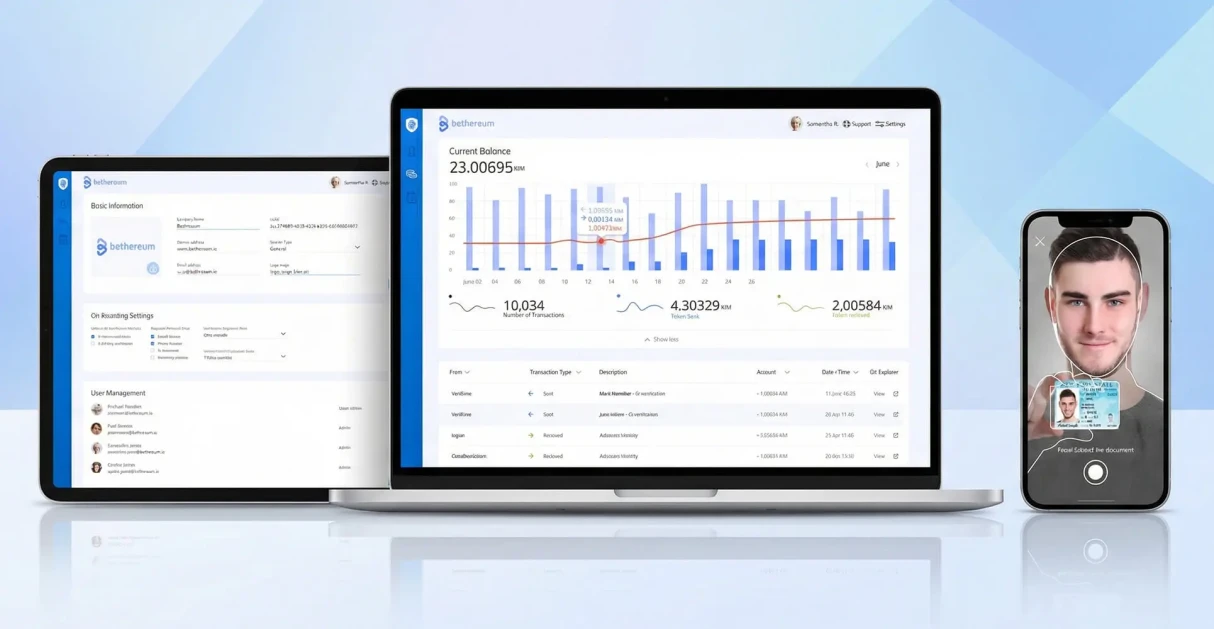
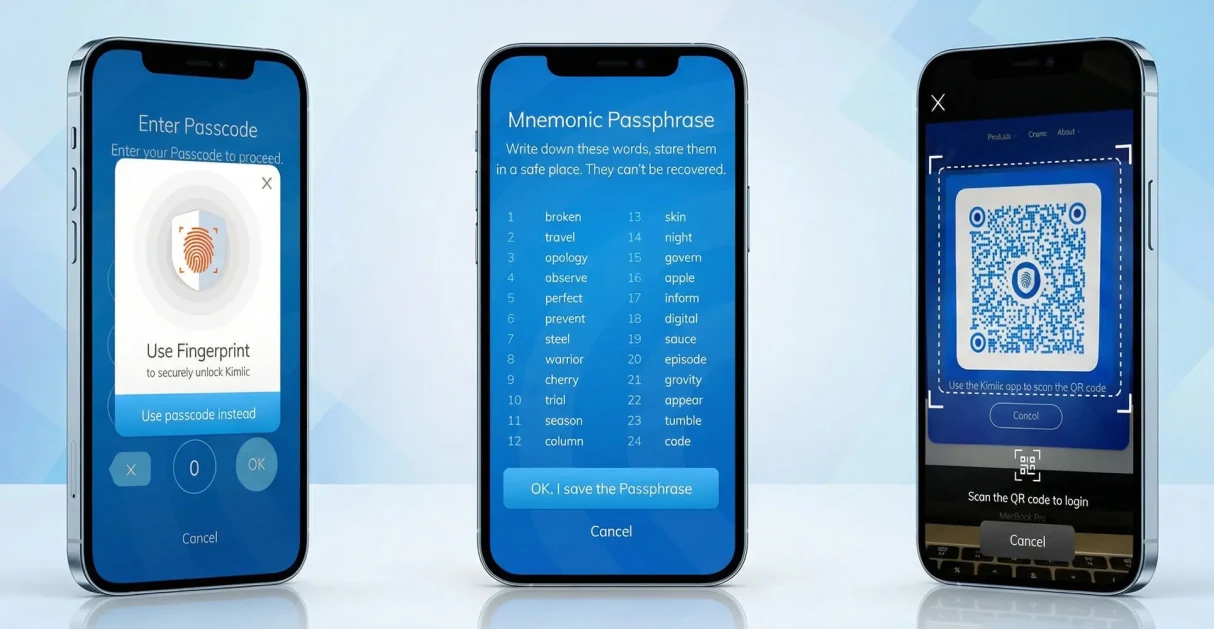
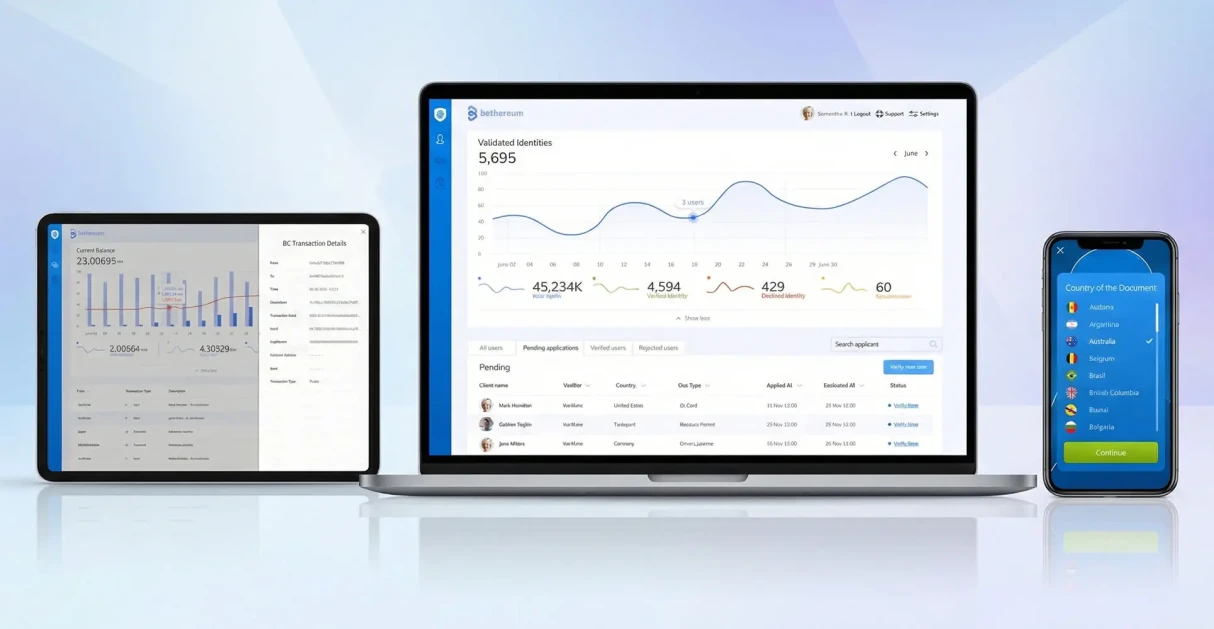
Pharos Production has partnered with Kimlic to develop a blockchain-based Know Your Customer (KYC) and digital identity platform. This platform ensures that user verification is secure, reusable and privacy-preserving across Web3 and FinTech ecosystems. Users can verify their identity once and then securely share proof with multiple services without exposing sensitive personal information. Built on cloud-native infrastructure and equipped with real-time data pipelines, Kimlic provides compliant identity verification at scale while allowing users to retain control over their data.
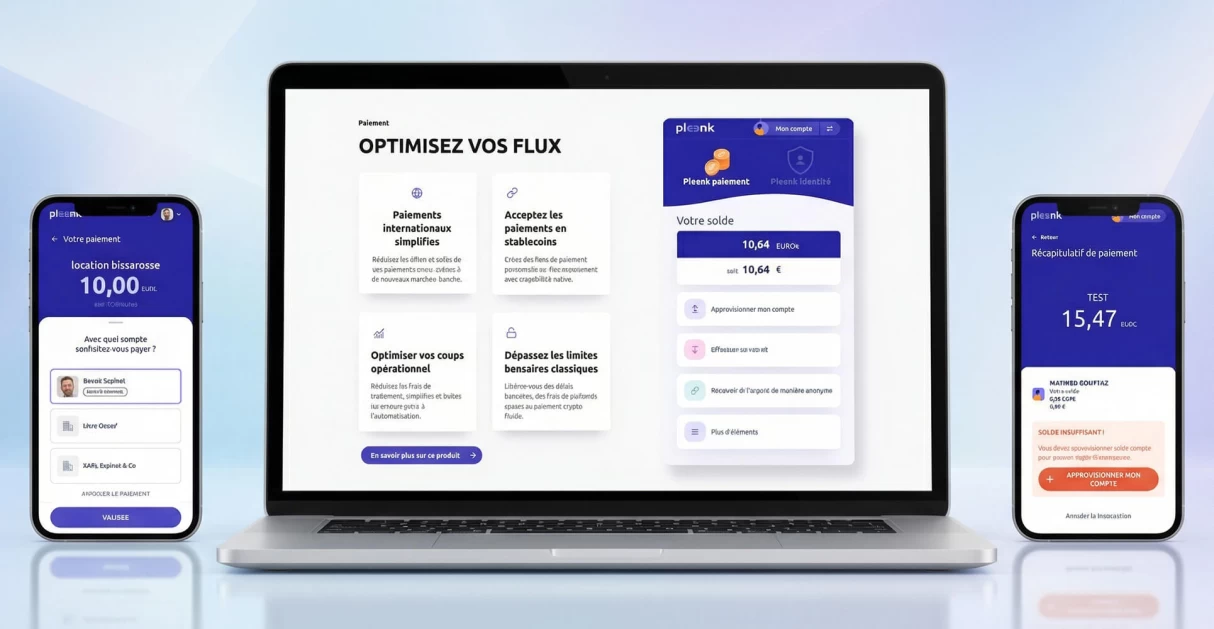
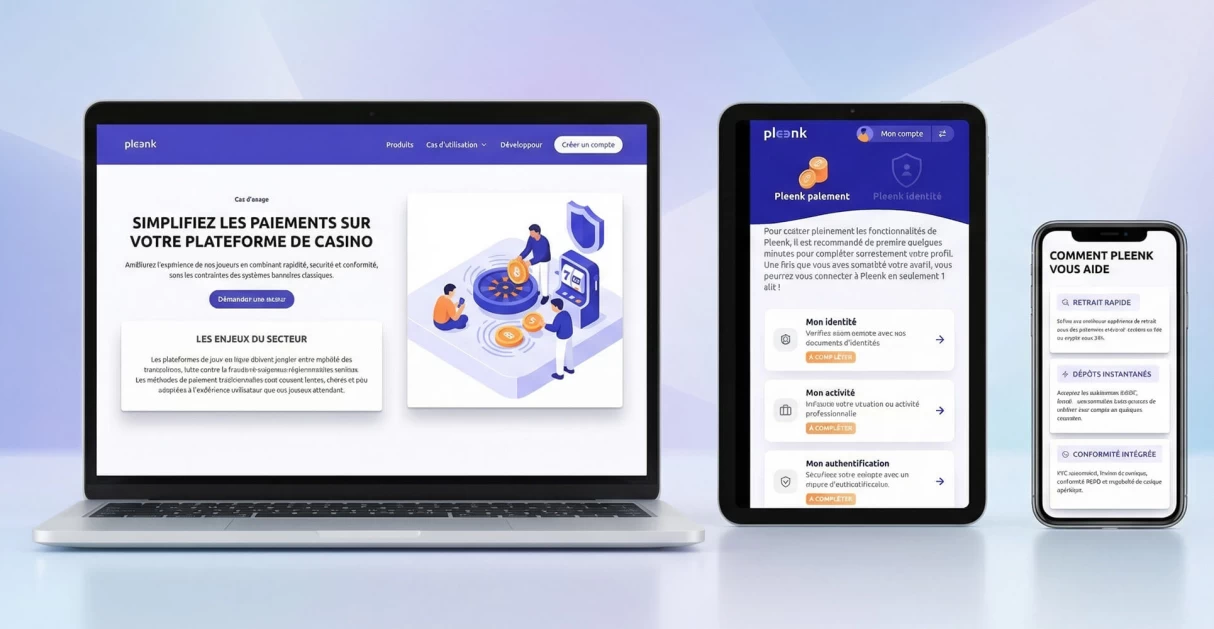
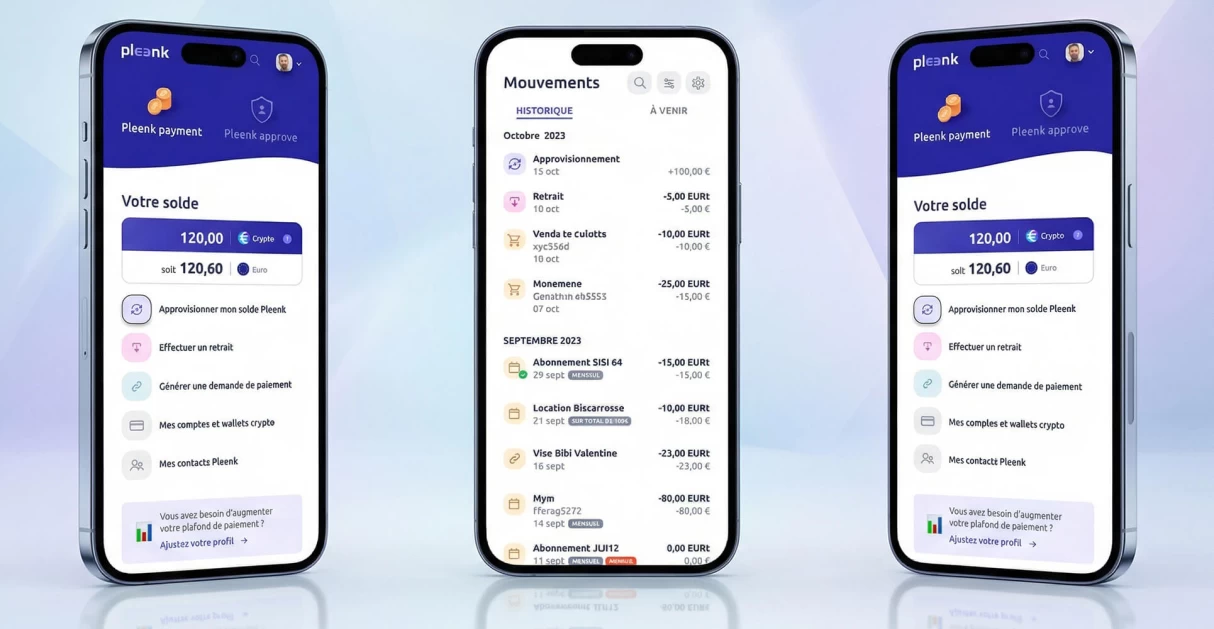
Pharos Production has partnered with Pleenk to build a secure, scalable payments platform for fast transactions, fraud prevention and seamless integration with digital products. The platform processes payment flows in real time while maintaining high levels of security, transparency and reliability for both businesses and end users. Built on cloud-native infrastructure and an event-driven architecture, Pleenk provides a strong foundation for modern digital payments.

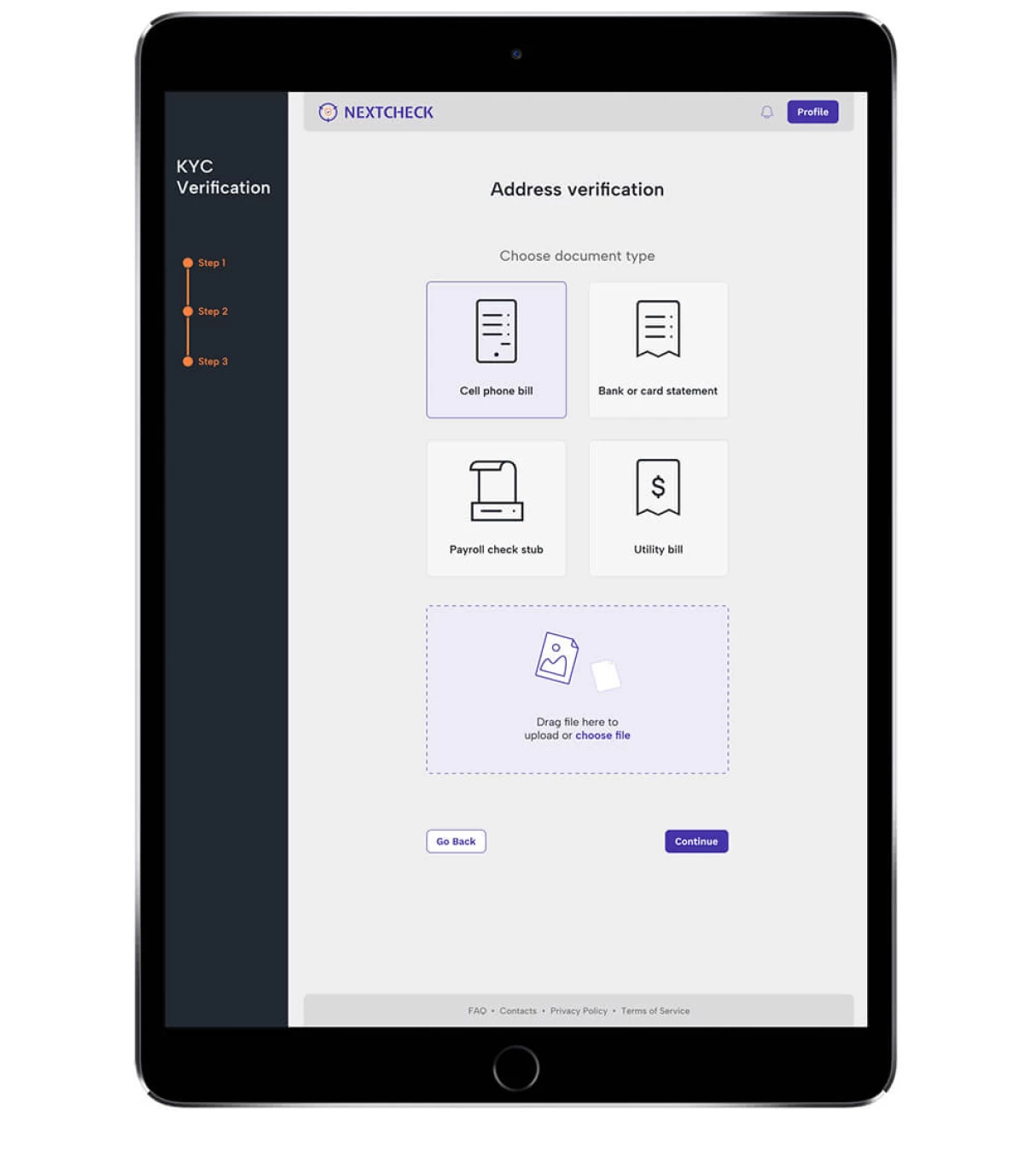
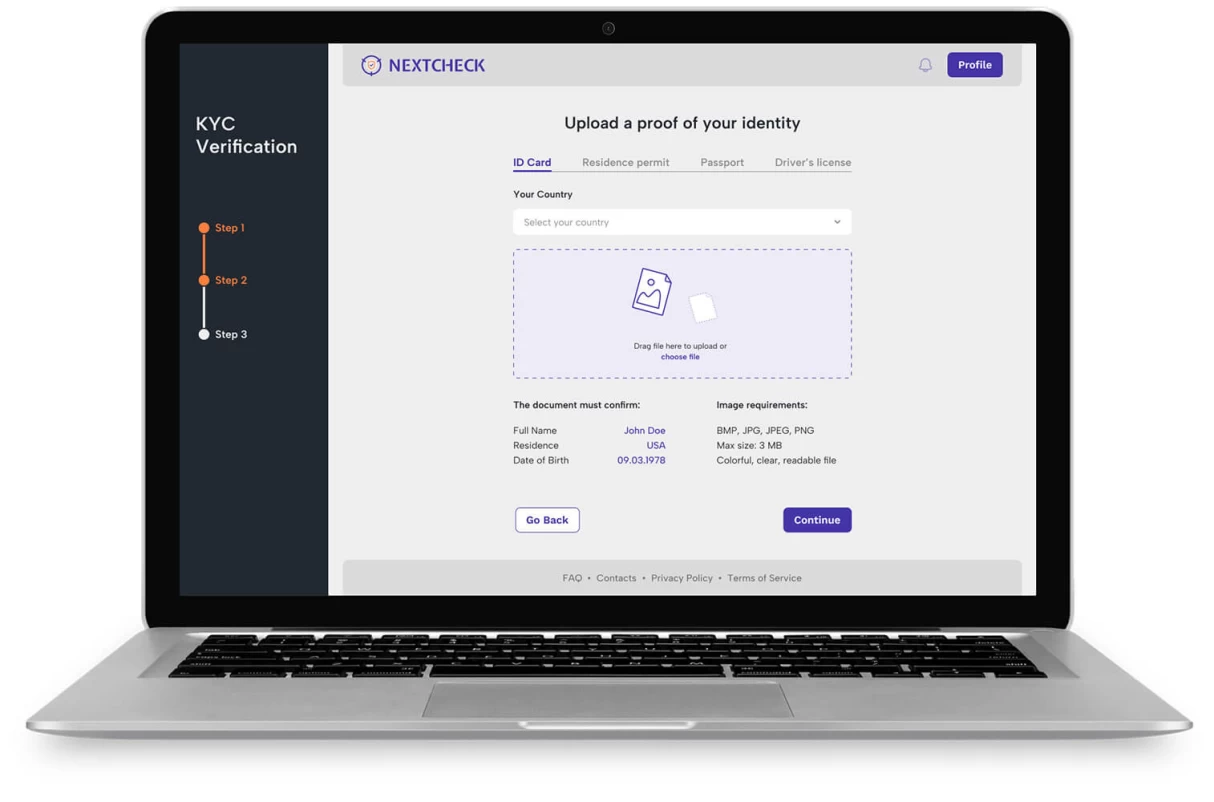
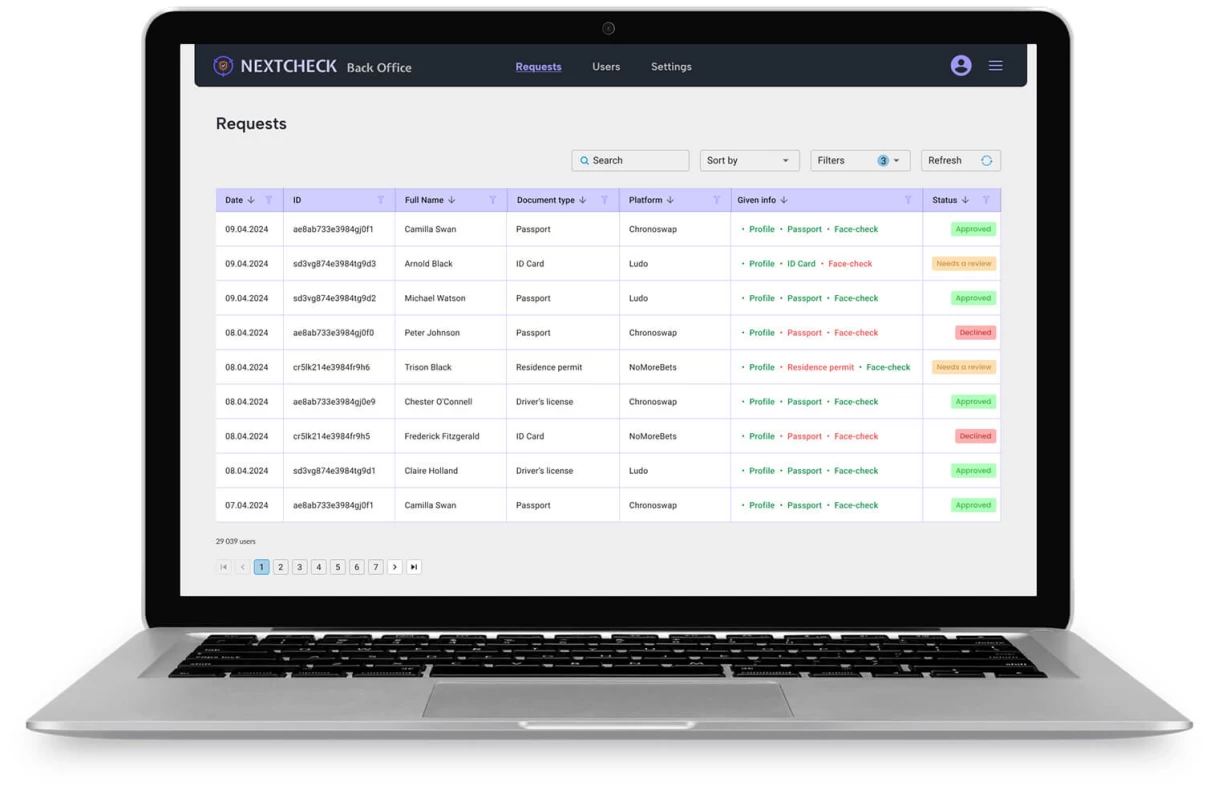
Pharos Production partnered with Nextcheck to replace outdated, manual onboarding with a secure, automated KYC/AML platform. Built on AWS, Kubernetes, Istio, Elixir, RabbitMQ, PostgreSQL and NextJS, the platform provides real-time biometric and document verification, risk assessment and compliance reporting. Since 2019, Nextcheck has reduced onboarding time by 60%, cut manual labor by 70% and expanded to support thousands of checks at once. Today, it powers global banks, FinTechs and crypto firms with a cloud-native, regulation-ready, growth-oriented compliance platform.
When Pleenk needed a payment platform processing card transactions across multiple currencies, the core challenge was aligning with PCI DSS Level 1 controls without sacrificing development speed. Our approach: isolate the cardholder data environment (CDE) into a dedicated microservice with its own encrypted database, separate from the main application. Card numbers never touch the application server - they flow directly from the client to the tokenization service via TLS 1.3, returning a non-reversible token that the application uses for subsequent operations. We implemented point-to-point encryption (P2PE) for all card-present transactions and tokenization for card-not-present flows. The payment service handles 50K+ daily transactions with 99.95% uptime, automatic failover across two availability zones and real-time fraud scoring on every transaction. PCI DSS readiness assessment passed on the first attempt with zero findings. This architecture now serves as our reference design for all payment-processing FinTech projects. See the Pleenk case study. Explore our open-source libraries and developer tools on GitHub.
| Metric | Before Pharos | After Pharos |
|---|---|---|
| PCI DSS-aligned architecture | Not aligned | Level 1 aligned, zero assessment findings |
| Transaction throughput | Manual processing | 50K+ daily transactions, automated reconciliation |
| Platform uptime | No SLA | 99.95% with automatic failover (2 AZs) |
| Fraud detection | Manual review | Real-time ML scoring on every transaction |
| Card data security | Card numbers in application DB | Isolated CDE with P2PE + tokenization |
| Multi-currency support | Single currency | 12+ currencies with real-time FX conversion |
Metrics from Pleenk Secure Payments Platform project. Transaction data from production environment.
Independent reviews from Clutch, GoodFirms and direct client testimonials - verified feedback on our software projects
Based on 342 verified reviews

Thanks to Pharos Production Inc.'s efforts, the client's platform scalability increased by 40%, and transaction processing speed improved by 35%. The team also mitigated all critical security vulnerabilities. Moreover, they utilized Jira, Slack, and Zoom for effective project management.
Proprietary research report based on analysis of FinTech projects delivered by Pharos Production between 2016 and 2026. Dataset covers payment platforms, digital banking apps, lending systems and compliance automation across global clients. Methodology: aggregated delivery metrics across 10+ FinTech projects with 6-18 months post-deployment monitoring per project. PCI DSS alignment reviewed quarterly through internal control assessments. Uptime measured via continuous synthetic monitoring across production environments. Full report with detailed methodology and per-project breakdowns available on request.
FinTech projects follow Pharos Verified Delivery with compliance-first additions: discovery maps PCI DSS, SOC 2 and jurisdiction-specific requirements before code, build includes regulatory architecture review at every milestone, production readiness includes penetration testing and audit-readiness validation.
Pharos Verified Delivery applied to 110+ production applications since 2013
We decline roughly 30% of RFPs we receive. Forcing a bad fit costs both sides 3-6 months and damages outcomes.
We have recommended Stripe over custom payment processors, Plaid over custom bank integrations and Persona over custom KYC. Custom FinTech is the right call when you need unique workflows, regulatory configurations or competitive differentiation that packaged products cannot provide.
Vendor evaluation guide covering compliance experience, payment processing depth, banking API integration and red flags specific to financial software development.
Select your project type, compliance level and integration scope to get a ballpark cost and timeline. For a detailed proposal with architecture recommendations, reach out to our team directly.
Pharos Production scopes engagements in three tiers, Proof of concept, MVP build and Enterprise platform, with typical budgets from $10,000 to $500,000+ depending on scope and complexity.
Focused validation of your riskiest technical assumption with a working spike and a clear build-or-pivot recommendation.
Production-ready first version with core flows, real backend and the integrations to onboard first paying users.
Full-scale build with architecture, DevOps, QA, security and long-term evolution.
Prices vary based on project scope, complexity, timeline and requirements. Hourly rates range from $50 to $99 depending on role and seniority. Contact us for a personalized estimate.
Need extra hands on your software project? Our developers can jump in at any stage - from architecture to auditing - and integrate seamlessly with your team to fill any technical gaps.
Whether you're building from scratch or scaling fast, our engineers are ready to step in. You stay in control, and we handle the code.
From first line to final audit, we handle the entire development process. We will deliver secure, production-ready software, while you can focus on your business.
| Model | Best for | Team setup | Budget range |
|---|---|---|---|
| Staff Augmentation | Existing teams needing extra engineers at any project stage | 1-2 weeks | From $5,000/month |
| Dedicated Team Popular | Long-term projects requiring full ownership and control | 2-4 weeks | From $15,000/month |
| Project Outsourcing | Full-cycle development from idea to production launch | 1-2 weeks | $10,000-$80,000+ |
Our company starts and assembles an entire project specialists with the perfect blend of skills and experience to start the work.
We'll design, build and launch your MVP, ensuring it meets the core requirements of your software solution.
We'll create a complete software solution that is custom-made to meet your exact specifications.
Our company will be right there with you, keeping your software solution running smoothly, fixing issues and rolling out updates.
Our engineers work with 187+ technologies across blockchain, backend, frontend, mobile and DevOps - chosen for production reliability and performance.
Our engineers work with 187+ technologies across 10 categories: Frameworks, AI, Blockchains, DevOps, Clouds, Databases, Brokers, Tests, Programming, UI/UX.









































































Recognized on Clutch, GoodFirms and The Manifest for software engineering excellence










65+ industry awards
Answers to common questions about FinTech software development, payment platforms, banking APIs and financial compliance.
Type to filter questions and answers. Use Topic to narrow the list.
Showing all 18
No matches
Try a different keyword, change the topic or clear filters
Custom FinTech software automates manual financial processes, reduces operational costs and enables new digital products like mobile payments, peer-to-peer lending and robo-advisory. Pharos Production builds FinTech platforms with scalable back-end architecture and modern front-end interfaces. See also our crypto and blockchain solutions for DeFi and tokenized financial products.
Pharos Production integrates banking APIs (Plaid, Stripe, MX) with existing financial platforms to enable open banking, account aggregation and payment orchestration. The team has experience with PSD2-compliant payment initiation services and account information services. Our security audit process ensures all API integrations meet PCI DSS and data protection requirements.
Pharos Production builds compliance engines that automate KYC/AML checks, transaction monitoring and regulatory reporting. While no software can guarantee full compliance autonomously, automated rules engines reduce manual review by up to 80% and maintain consistent audit trails. Our compliance modules integrate with identity verification providers (Onfido, Jumio) and sanction screening databases. See our security and compliance services.
FinTech project costs depend on complexity, compliance requirements and integration scope. A basic payment app or digital wallet MVP may start from $40,000-$80,000, while a full banking platform or trading system can range from $150,000 to $500,000+. Our team of 90+ engineers delivers estimates calibrated to real project data from 110+ delivered applications. We offer flexible pricing across all industries we serve. Pharos Production provides a detailed project estimate within 48 hours. Request a free estimate.
An MVP for a payment app or lending platform typically takes 3-5 months. A full-featured digital banking platform or trading system may require 6-12 months including compliance testing and security audits. Pharos Production uses agile development with 2-week sprints, security validation at each milestone and PCI DSS compliance checks throughout. Our DevOps team handles staging, load testing and production deployment. Get a timeline estimate for your project.
Pharos Production follows PCI DSS for payment data, the SOC 2 trust services criteria for infrastructure security and applies encryption at rest and in transit for all financial data. The team implements multi-factor authentication, role-based access control and real-time transaction monitoring. See how we applied these standards in the Pleenk payment platform case study. We also build compliant solutions for banking and insurance industries.
We do not build template-based banking websites or integrate off-the-shelf payment widgets. Our focus is custom FinTech platforms with unique business logic - payment processing, lending engines, trading systems and compliance automation. For simple payment page integrations, Stripe or PayPal plugins are more cost-effective. We take on projects starting at $10,000 where custom architecture provides a competitive advantage.
Financial software requires iterative compliance validation at every stage. We use 2-week sprints because regulatory requirements (PCI DSS, SOC 2, KYC/AML) must be verified incrementally, not at the end. Across 10+ FinTech projects, our quarterly PCI DSS re-audits caught an average of 2 findings per cycle - each resolved before the next compliance checkpoint.
Evaluate five factors: (1) financial domain expertise - the team should understand PCI DSS, PSD2, KYC/AML and core banking concepts, not just general software, (2) compliance track record with verifiable certifications (SOC 2, ISO 27001), (3) published case studies in payments, banking or lending with measurable outcomes, (4) independent reviews on Clutch and GoodFirms with FinTech-specific feedback and (5) a development methodology that includes security and compliance validation at every sprint. Pharos Production scores 5/5 on Clutch with 104 verified reviews and applies PCI DSS compliance checks throughout our Verified Delivery process.
FinTech development prioritizes speed-to-market, API-first architecture and user experience, while traditional banking software focuses on legacy system compatibility and regulatory compliance. FinTech apps use cloud-native infrastructure, microservices and open banking APIs (Plaid, Stripe), whereas traditional banking relies on monolithic on-premise systems. Development cycles are shorter in FinTech (3-6 months MVP) compared to traditional banking (12-24 months). Pharos Production bridges both worlds - our team builds modern FinTech platforms that integrate with legacy core banking systems via API-first back-end architecture.
Yes. We recommend starting with a PoC for projects involving novel payment flows, complex compliance requirements or integration with multiple banking APIs. A typical FinTech PoC takes 4-8 weeks, includes working API integrations, basic UI and a compliance assessment. PoC cost ranges from $15,000-$35,000 depending on complexity. The PoC architecture becomes the foundation for production build. Request a PoC estimate.
Every FinTech project includes post-launch support as part of our Verified Delivery process. Our standard SLA covers 99.95% uptime for payment infrastructure, 4-hour response time for critical issues (transaction failures, security incidents) and ongoing PCI DSS compliance monitoring. For platforms handling significant transaction volume, we offer enhanced SLAs with 1-hour incident response, 24/7 monitoring and quarterly security re-audits. Our DevOps team manages infrastructure, scaling and regulatory updates on an ongoing basis.
Embedded finance integrates financial services (payments, lending, insurance) directly into non-financial platforms like e-commerce, SaaS or mobility apps. McKinsey projects embedded finance will generate $230 billion in revenue by 2030. Pharos Production builds embedded finance solutions including payment APIs for marketplaces, BNPL (Buy Now Pay Later) integrations, in-app lending modules and white-label banking services. Each implementation follows PCI DSS compliance and includes KYC/AML verification where required. Read our FinTech Trends 2026 article for more on embedded finance. See our blockchain services for tokenized financial products.
Yes. The EU Markets in Crypto-Assets Regulation (MiCA) applies to FinTech companies offering crypto-related services - payment processors handling stablecoins, platforms integrating crypto payments or embedded finance products with digital assets. MiCA required CASP authorization, with transitional periods that varied by member state and the last ones ending 1 July 2026. Pharos Production builds MiCA-compliant modules for stablecoin reserve management (e-money tokens require 100% backing), crypto transaction monitoring and regulatory reporting. For platforms handling both traditional payments and crypto, we implement dual-license architectures supporting PSD2 and MiCA simultaneously. See our crypto and blockchain solutions for full MiCA development.
Yes. Central Bank Digital Currencies are moving from research to production - 146 countries and currency unions are exploring CBDCs, with 41 in the pilot stage, as of May 2026 (Atlantic Council). The digital euro, digital pound and India e-rupee are in advanced stages for 2026-2027. Pharos Production builds CBDC-ready payment infrastructure including digital currency wallet integration, two-tier distribution APIs, programmable payment logic and cross-border CBDC interoperability. For platforms handling both CBDC and traditional payments, we implement unified settlement layers.
Yes. AI agents go beyond chatbots - they autonomously execute banking operations, detect fraud in real time, automate KYC/AML compliance and manage investment portfolios. Gartner predicts that by 2028, 33% of enterprise software applications will include agentic AI, up from less than 1% in 2024. Pharos Production builds multi-agent systems for autonomous fraud detection, regulatory reporting agents (Basel III, DORA, PSD3), credit underwriting agents and personalized financial advisory agents with human-in-the-loop patterns for high-risk decisions.
Yes. FinTech super-apps combine payments, banking, lending, insurance, investments and commerce in a single platform. The global super apps market was valued at $121.10 billion in 2025 and is projected to reach $968.77 billion by 2033, growing at a 30.1% CAGR (Grand View Research). Pharos Production builds super-app platforms with microservices architecture, API gateway layers, mini-program runtime SDKs for third-party integrations and AI-driven personalization engines. Development cost ranges from $200K for a 3-5 service app to $500K+ for full-scale ecosystems like Revolut or Grab.
Yes. Following the EU Omnibus I reforms (Directive (EU) 2026/470), the Corporate Sustainability Reporting Directive (CSRD) requires companies with both net turnover above EUR 450 million and an average of more than 1,000 employees to report against ESRS standards, with mandatory digital XBRL tagging, for financial years starting on or after 1 January 2027.
Companies below this threshold have no mandatory ESRS reporting obligation, though they may still receive sustainability data requests from in-scope customers and lenders. The carbon accounting software market is projected to reach $96 billion by 2032. Pharos Production builds ESG reporting platforms with automated Scope 1-2-3 emissions tracking, double materiality assessment tools, green bond issuance and management systems, carbon credit marketplace platforms and climate risk assessment models for banks and insurers.

90+ engineers ready to deliver your FinTech project on time and within budget
Contact us today to discuss your project. We're ready to review your request promptly and guide you on the best next steps for collaboration
Same dayWe're committed to keeping your information confidential, so we'll sign a Non-Disclosure Agreement
1 dayAfter we chat about your goals and needs, we'll craft a comprehensive proposal detailing the project scope, team, timeline and budget
3-5 daysLet's connect on Google Meet to go through the proposal and confirm all the details together!
1-2 daysAs soon as the contract is signed, our dedicated team will jump into action on your project!
Same dayHeadquarters in Las Vegas, Nevada. Engineering office in Kyiv, Ukraine.
We also work with clients through dedicated local teams in Las Vegas, New York and San Francisco.
Thanks for the request!
We typically reply within 24 hours