Skip to content

Crypto, Web3 and Blockchain Development

Pharos Production is a Web3 development company that builds blockchain platforms, decentralized applications (dApps), DeFi (decentralized finance) protocols, smart contracts and crypto wallets for startups, enterprises and crypto-native teams. With the global cryptocurrency market reaching a $2.66 trillion market cap (CoinGecko, 2024) and the blockchain services market projected to reach $99.75 billion by 2034 at 41% CAGR, demand for secure Web3 infrastructure continues to accelerate. Founded in 2013 with 90+ engineers and 70+ apps delivered, Pharos Production combines deep blockchain expertise across Ethereum, Solana, TON and 20+ EVM-compatible chains. Every project follows our Verified Delivery process - formal verification, testnet validation and security audit at each sprint before any mainnet deployment.

  • 30+ blockchain projects
  • 100+ contracts deployed
  • 0 critical vulnerabilities

Your business results matter

Achieve them with minimized risk through our bespoke innovation capabilities

Your contact details
Please enter your name
Please enter a valid email address
Please enter your message
* required

We typically reply within 1 business day

  • 30+ blockchain projects
  • 7+ years in Web3
  • 90+ Clutch reviews

Security-first development with audited smart contracts and battle-tested infrastructure

Key facts: Pharos Production has delivered 30+ blockchain projects since 2018 including DeFi platforms, crypto wallets, NFT marketplaces and tokenization systems. 100+ smart contracts deployed to mainnet with zero critical vulnerabilities. 10+ Solidity engineers. Last reviewed: April 2026. Editorial policy.

What is Web3 development?

Web3 development is the process of building decentralized applications, smart contracts and blockchain infrastructure that operate on distributed networks instead of centralized servers. Unlike traditional software, Web3 applications use cryptographic protocols to enable trustless transactions, token-based incentives and user-owned data. Common Web3 project types include crypto wallets, decentralized exchanges (DEX), DeFi lending protocols, NFT marketplaces and DAO governance platforms. Web3 development typically requires expertise in Solidity, Rust or Move for smart contracts, combined with standard back-end and front-end skills for the application layer.
Dmytro Nasyrov - Founder and CTO of Pharos Production

Reviewed by Dmytro Nasyrov

Founder and CTO

23+ years in software development. Led Web3 projects since 2018 across DeFi, crypto wallets and NFT platforms. ISO 27001 certified.
Web3 and blockchain solutions we build

Pharos Production applies its full-cycle software development expertise to deliver tailored solutions for crypto, web3 and blockchain businesses.

Smart Contract Development & Auditing

Smart contracts are self-executing programs deployed on blockchain networks that automatically enforce agreements without intermediaries. Pharos Production develops and audits smart contracts for tokens, NFTs, DeFi protocols and custom business logic on Ethereum, Solana, Polygon and other EVM-compatible chains. With Chainalysis reporting over $3.8 billion lost to smart contract exploits in 2022, every Pharos contract undergoes formal verification and multi-layer security audits.

Custom Token (ERC20/BEP20) Smart Contract Development NFT (ERC721/1155) Minting and Marketplace Contracts DeFi Staking, Farming and Liquidity Pool Contracts DAO Governance and Voting Mechanism Contracts Smart Contract Security Audit and Vulnerability Assessment Automated Testing and Formal Verification Suite Upgradeable Proxy-Based Smart Contract Architecture

DeFi Platform Development

Automated market makers (AMM) – protocols that enable token trading without traditional order books – yield aggregators, lending pools and cross-chain bridges – Pharos Production builds the full DeFi (decentralized finance) stack. Our DeFi development services include formally verified smart contracts, liquidity bootstrapping mechanisms and governance modules for token holders. According to DeFi Llama (2024), the top DeFi protocols collectively manage over $100 billion in total value locked, underscoring the need for secure, audited smart contract infrastructure.

Staking and Yield Farming Platform Decentralized Lending and Borrowing System Liquidity Pool and Automated Market Maker (AMM) Module Stablecoin Issuance and Collateralization Platform Cross-Chain Bridge and Asset Wrapping Solution Vaults and Automated Yield Optimization Engine DeFi Portfolio Tracking and Analytics Dashboard Prediction Market and Binary Options Protocol

NFT Marketplace Development

An NFT marketplace enables users to mint, buy, sell and trade non-fungible tokens. Pharos Production builds NFT platforms through our NFT marketplace development service with modern front-end interfaces, on-chain royalty enforcement (critical since off-chain royalties are easily bypassed), auction mechanics and multi-chain support for Ethereum, Solana and Polygon collections.

NFT Minting and Listing Platform Auction and Bidding System Integration Royalty Management and Creator Payout Module Cross-Chain NFT Trading and Bridge Solution IPFS Storage and Metadata Management System NFT Collection Analytics and Rarity Scoring Dashboard User Wallet Integration and Secure Transaction Layer

Tokenization Platform & Custom Token Development

A tokenization platform converts real-world assets (real estate, art, securities) into digital tokens on a blockchain. With the tokenized asset market projected to reach $2 trillion by 2030 (McKinsey, 2024), Pharos Production builds compliant tokenization systems with investor dashboards, automated distributions including token airdrop mechanisms, IDO launchpad platforms and stablecoin development with fiat-pegged collateralization frameworks. Stablecoin issuers must comply with MiCA e-money token (EMT) requirements including 100% reserve backing and monthly audits. See our blockchain services.

Utility and Governance Token Creation System Security Token Offering (STO) Platform Token Vesting, Lockup and Distribution Dashboard Stablecoin Development and Asset-Backed Token Framework Real-World Asset (RWA) Tokenization Platform Airdrop Management and Token Claim Module Cross-Chain Token Deployment and Bridging Solution Stablecoin Development and Fiat-Pegged Token System IDO Launchpad and Token Sale Platform

Blockchain Integration & Node Infrastructure Setup

Blockchain infrastructure setup includes validator nodes, custom RPC endpoints, indexers and blockchain SDKs that connect applications to distributed networks. Pharos Production runs DevOps pipelines for blockchain infrastructure on AWS, GCP and bare metal with 99.9%+ uptime SLAs.

Dedicated Full Node and Validator Node Deployment Blockchain API Gateway and RPC Endpoint Integration Indexing and Data Sync System for On-Chain Data Cross-Chain Bridge and Interoperability Module Private Blockchain Network Setup and Consortium Configuration Smart Contract Event Listener and Webhooks Engine High-Availability Node Monitoring and Alerting Platform

Crypto Payment Gateway Integration

A crypto payment gateway enables merchants to accept cryptocurrency payments in web and mobile applications. Pharos Production integrates payment processing with real-time exchange rate conversion – essential because crypto volatility can erase merchant margins within minutes – multi-currency support and cross-platform mobile SDKs.

Multi-Currency Crypto Payment Processing System Merchant API for E-Commerce and Mobile Apps Instant Conversion and Settlement Module Invoicing and Recurring Billing Platform Point-of-Sale (POS) Crypto Payment Terminal Integration Fraud Detection and Transaction Monitoring Layer Wallet Compatibility and QR Code Payment System

DAO Platform Development

A DAO (Decentralized Autonomous Organization) uses token-weighted voting, multi-sig treasury management, on-chain proposal execution and delegation mechanics to govern communities without centralized control. Pharos Production builds complete DAO governance toolkits with decentralized identity (DID) integration for sybil-resistant voting. Our platforms include intuitive front-end dashboards that make decentralized governance accessible to non-technical community members.

Decentralized Governance and Voting System Proposal Creation and Decision-Making Module Treasury Management and Multi-Sig Wallet Integration Token-Based Membership and Access Control System Quadratic Voting and Advanced Governance Mechanisms Community Dashboard and Engagement Analytics Automated Smart Contract Execution for Governance Actions Decentralized Identity (DID) and Verifiable Credentials Module

Web3 Analytics & Blockchain Data Dashboards

A blockchain analytics platform visualizes on-chain activity, token flows, wallet behavior and protocol metrics. Pharos Production builds real-time dashboards with custom indexing pipelines rather than relying on third-party APIs, because direct node indexing provides sub-second latency and eliminates rate limit dependencies. Our scalable data pipelines and DevOps infrastructure serve compliance teams, investors and protocol operators.

On-Chain Transaction Tracking and Visualization Tool Wallet Behavior and Identity Intelligence Platform Token Flow and Liquidity Movement Dashboard DeFi Protocol Performance and Yield Analytics System NFT Collection Insights and Market Trend Analyzer Real-Time Blockchain Network Health Monitoring Panel Custom Indexing and Data Aggregation Engine Blockchain Data Streaming and Real-Time Indexing Pipeline
Solution Key capabilities
Crypto Wallet Development Secure Multi-Chain Crypto Wallet (Web and Mobile) Multi-Signature and MPC Wallet Platform Hardware Wallet Integration Module +4
Cryptocurrency Exchange & Trading Platform Centralized Exchange (CEX) Trading Engine Decentralized Exchange (DEX) with Automated Market Maker Order Book and Liquidity Management System +5
Smart Contract Development & Auditing Custom Token (ERC20/BEP20) Smart Contract Development NFT (ERC721/1155) Minting and Marketplace Contracts DeFi Staking, Farming and Liquidity Pool Contracts +4
DeFi Platform Development Staking and Yield Farming Platform Decentralized Lending and Borrowing System Liquidity Pool and Automated Market Maker (AMM) Module +5
NFT Marketplace Development NFT Minting and Listing Platform Auction and Bidding System Integration Royalty Management and Creator Payout Module +4
Tokenization Platform & Custom Token Development Utility and Governance Token Creation System Security Token Offering (STO) Platform Token Vesting, Lockup and Distribution Dashboard +6
Blockchain Integration & Node Infrastructure Setup Dedicated Full Node and Validator Node Deployment Blockchain API Gateway and RPC Endpoint Integration Indexing and Data Sync System for On-Chain Data +4
Crypto Payment Gateway Integration Multi-Currency Crypto Payment Processing System Merchant API for E-Commerce and Mobile Apps Instant Conversion and Settlement Module +4
DAO Platform Development Decentralized Governance and Voting System Proposal Creation and Decision-Making Module Treasury Management and Multi-Sig Wallet Integration +5
Web3 Analytics & Blockchain Data Dashboards On-Chain Transaction Tracking and Visualization Tool Wallet Behavior and Identity Intelligence Platform Token Flow and Liquidity Movement Dashboard +5
What is Web3 development?
Web3 development is the process of building decentralized applications, smart contracts and blockchain infrastructure that operate on distributed networks instead of centralized servers. Unlike traditional software, Web3 applications use cryptographic protocols to enable trustless transactions, token-based incentives and user-owned data. Common Web3 project types include crypto wallets, decentralized exchanges (DEX), DeFi lending protocols, NFT marketplaces and DAO governance platforms. Web3 development typically requires expertise in Solidity, Rust or Move for smart contracts, combined with standard back-end and front-end skills for the application layer.
Blockchain market in numbers

The global blockchain market is projected to reach $67.4 billion by 2026 (MarketsandMarkets). DeFi TVL exceeded $100 billion in 2025. 85% of enterprise blockchain projects target financial use cases (Deloitte).

Pharos blockchain delivery metrics

Average smart contract project delivery: 8 weeks. 100+ contracts deployed to mainnet with zero critical vulnerabilities. Security audit coordination: 2-4 weeks. 30+ blockchain projects since 2018.

Web3 development vs traditional application development

Factor Web3 / Blockchain Traditional Application
Data integrity Immutable ledger, cryptographic verification, tamper-proof Mutable database, relies on access control for integrity
Trust model Trustless execution, code-is-law, verifiable by anyone Trust the server operator, centralized authority
Deployment Immutable once deployed, upgrades require proxy patterns Hot-deploy, rollback, instant patches
Cost model Users pay gas per transaction, infrastructure cost is distributed Server costs borne by operator, free for users
Development speed Slower due to security audits, formal verification and immutability Faster iteration, can fix bugs in production instantly
Scalability Limited by blockchain throughput, L2 solutions needed for scale Horizontally scalable with standard cloud infrastructure
Compliance Emerging regulations (MiCA, SEC), complex token classification Well-established regulatory frameworks
Security risk Smart contract bugs are irreversible, funds can be drained Bugs are fixable, data can be restored from backups

Web3 is the right choice when trustless execution, transparent data and decentralized ownership are core requirements. Traditional development is better for speed, cost and most enterprise workflows.

How to choose a blockchain development company

1 Production smart contract experience with zero critical vulnerabilities. Ask for audit reports and mainnet deployment history, not just testnet demos.
2 Full-stack Web3 capability: smart contracts, backend infrastructure, frontend with wallet integration and DevOps for node management.
3 Multi-chain expertise. Each blockchain has different tooling, gas models and consensus mechanisms. Ethereum experience alone is not sufficient.
4 Compliance and regulatory awareness. MiCA, SEC token classification and KYC/AML integration experience is increasingly important for any token project.
5 Security-first development with formal verification, automated scanning (Slither, Mythril) and external audit coordination built into the development process.
6 Cost and timeline transparency. Blockchain development is slower and more expensive than traditional software due to security requirements and immutability constraints.

Web3 and Blockchain Technologies

  • Core Smart Contract Languages

    Solidity, Rust and Move are the main languages for creating decentralized logic on Ethereum Virtual Machine (EVM), Solana and emerging blockchains like Aptos and Sui.

  • Frameworks for Custom Blockchains

    Substrate, the Cosmos SDK and Hyperledger Fabric enable companies to create customized blockchains, enterprise networks and modular, decentralized systems.

  • Layer-2 Scaling Technologies

    Rollups (Optimistic and ZK), state channels and sidechains enable faster transactions and lower fees for high-demand decentralized applications. Leading solutions include Arbitrum, Optimism, zkSync and Polygon.

  • Decentralized Storage Networks

    IPFS, Arweave and Filecoin are decentralized storage solutions used to store large files, metadata and off-chain assets for NFT development and other Web3 applications in a distributed, censorship-resistant way.

  • Integration Libraries and SDKs

    Ethers.js, Web3.js and wallet integration SDKs (WalletConnect, RainbowKit) are essential libraries for connecting dApps to wallets, signing transactions and interacting with smart contracts.

  • Cross-Chain Interoperability Protocols

    Bridges and messaging layers (LayerZero, Wormhole, Axelar) facilitate asset transfers, unified liquidity and communication across multiple blockchains.

  • Blockchain Indexing and Querying Tools

    The Graph, Covalent and custom indexers organize and retrieve on-chain data for dashboards, analytics, explorers and DeFi platforms.

  • Smart Contract Security and Audit Tools

    Foundry, Hardhat, Slither and Certora are essential tools for testing, static analysis and formal verification - vital for ensuring reliability and preventing vulnerabilities in deployed contracts.

Pharos Production - Get your blockchain project estimate in 48h. Describe your smart contract, DeFi or dApp requirements and our audited Web3 team will deliver a Verified Delivery estimate with security scope. Get a project estimate.

Our Web3 and Blockchain Expertise

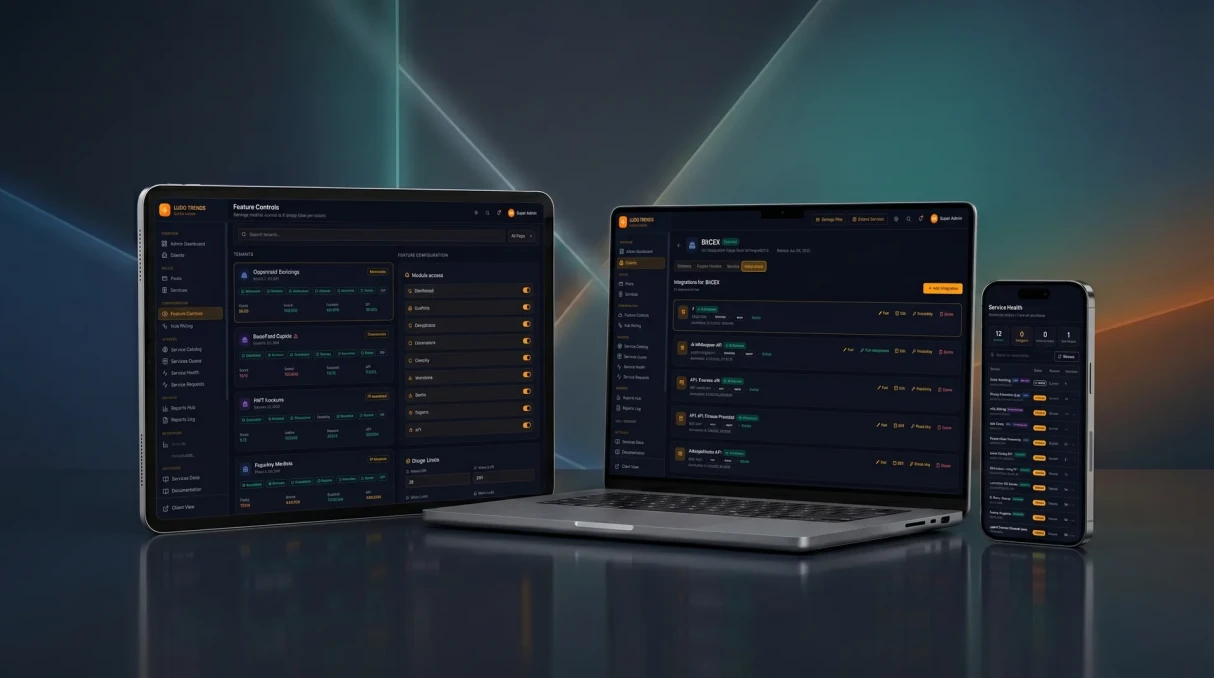
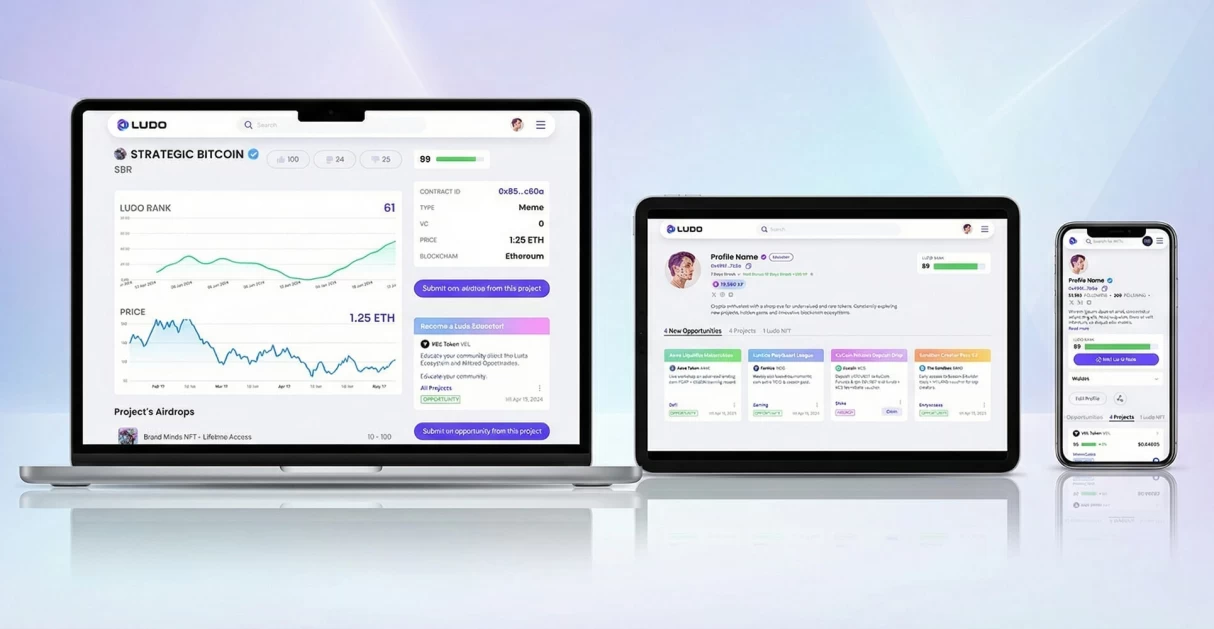
  • Ludo soulbound NFT profile
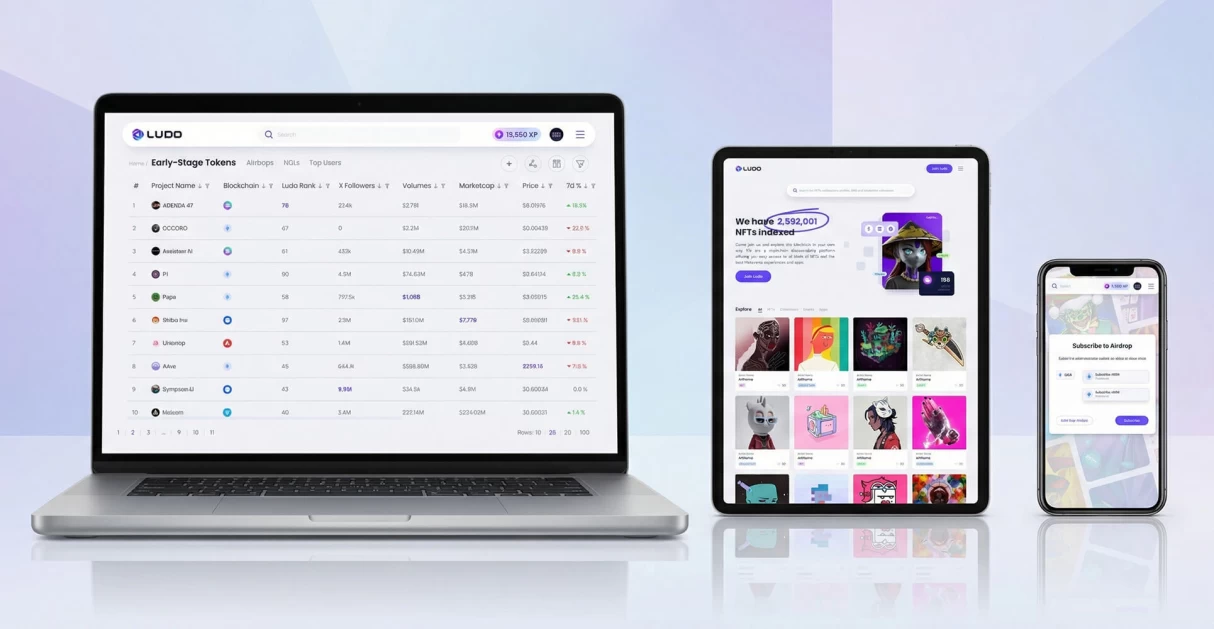
    Ludo cross-chain scoring
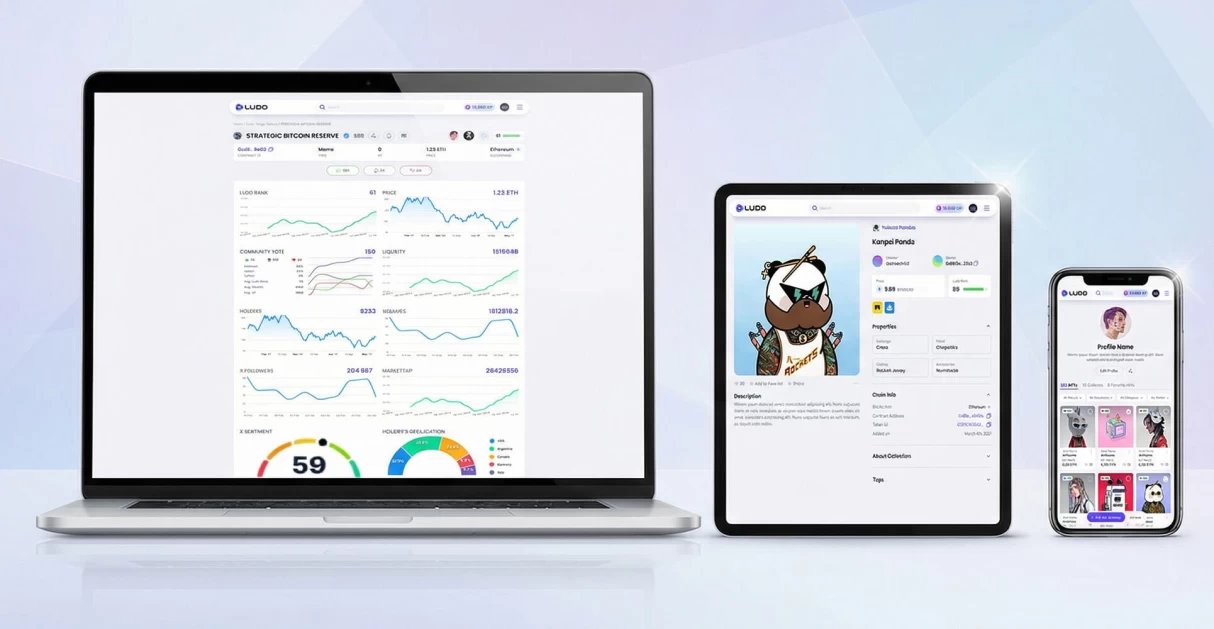
    Ludo reputation dashboard
    Web3 & Blockchain

    Ludo. Reputation platform of Web3

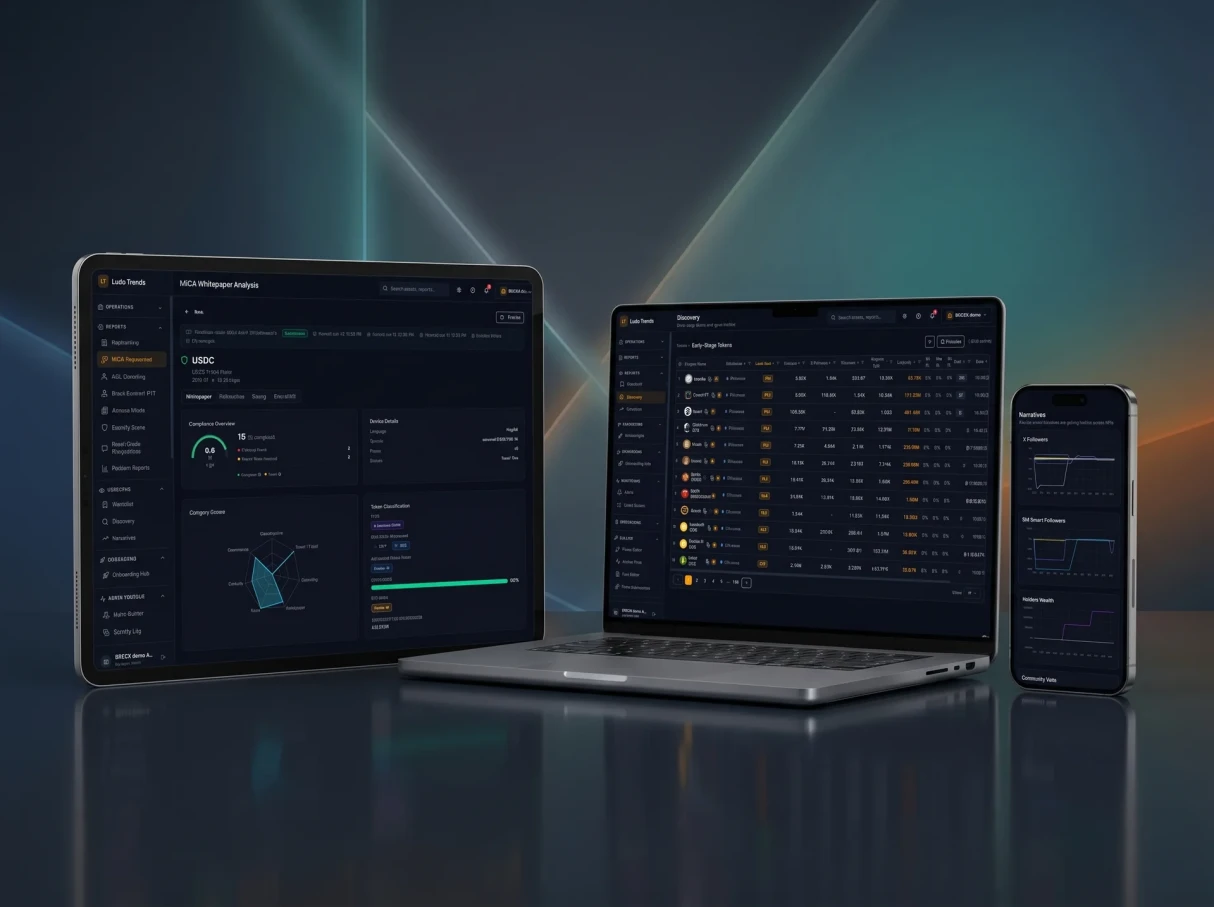
    Pharos Production partnered with Ludo to build a global cross-chain reputation system that makes trust transparent and portable across the Web3 ecosystem. Using AWS, Kubernetes, Istio, Kafka, Flink, Cassandra, Pinot and Solr, the platform processes blockchain data in real time to generate soulbound NFT-based reputation scores. With web, browser and Telegram interfaces, Ludo empowers users, curators and builders to identify trustworthy projects, integrate reputation APIs and strengthen community engagement. The result is a scalable, real-time trust layer that has been driving adoption in Web3 since 2021.

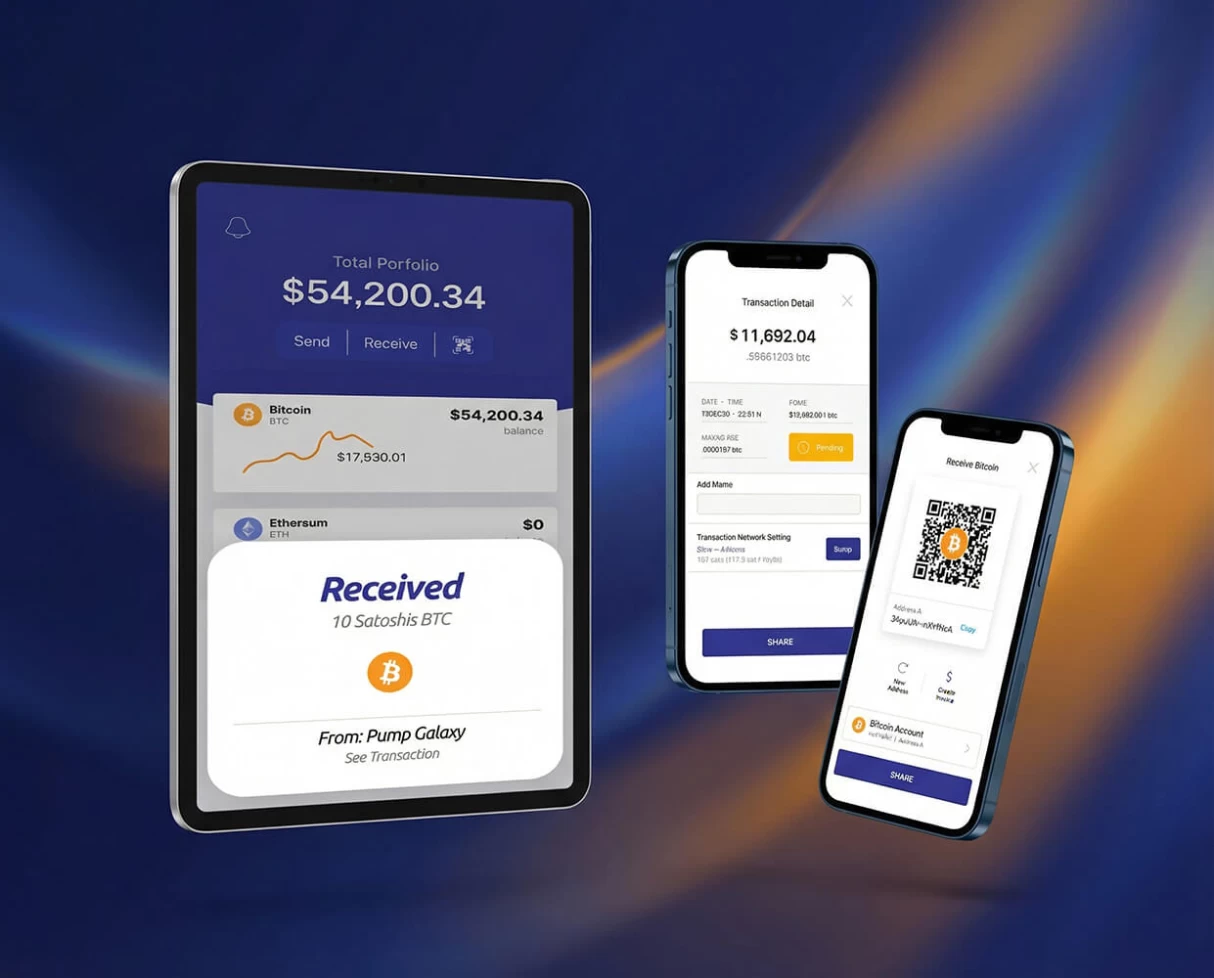
  • PumpTap crypto wallet multi-chain dashboard
    pumptap-wallet-project-screenshot-1
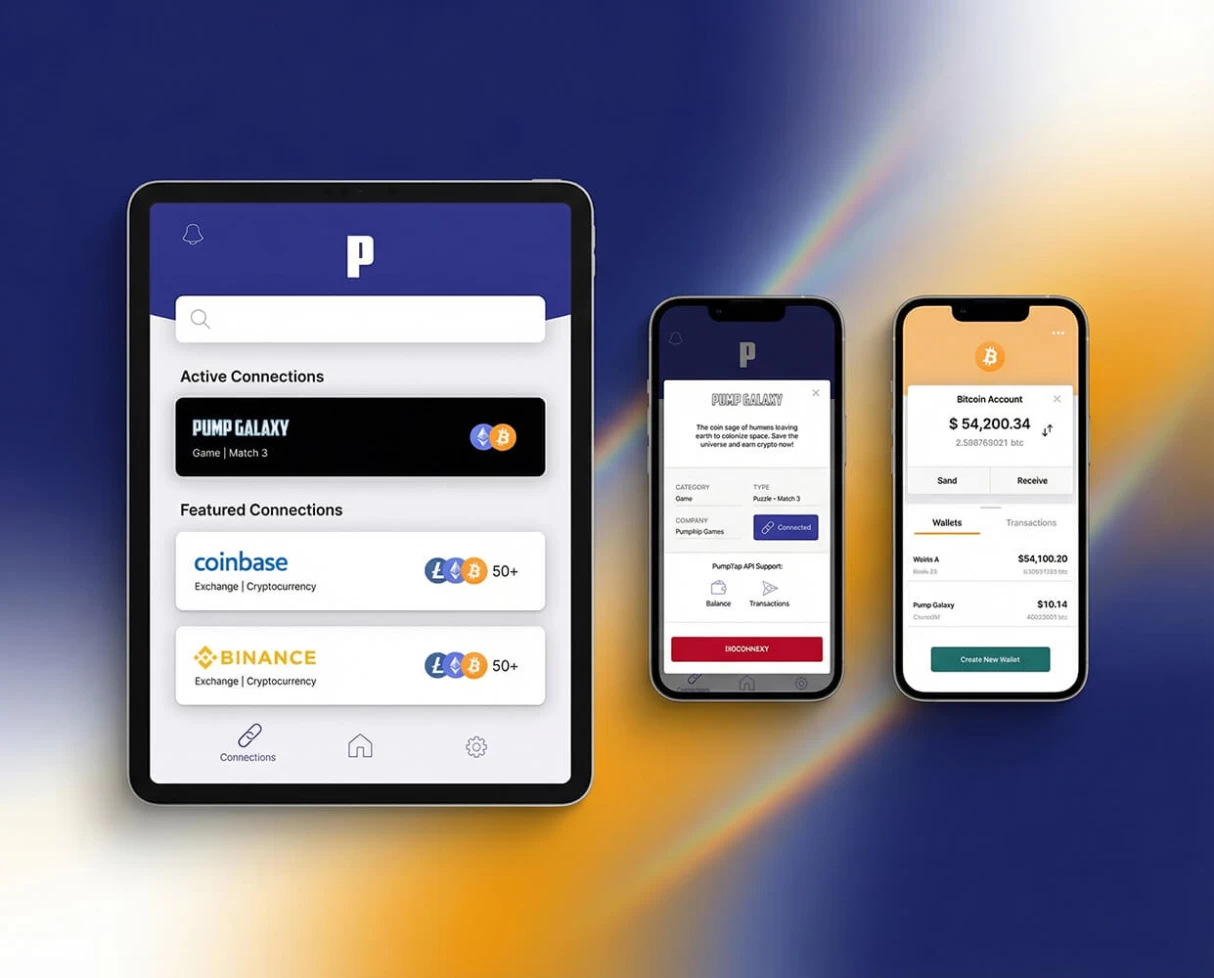
    pumptap-wallet-project-screenshot-2
    Web3 & Blockchain

    PumpTap Crypto Wallet

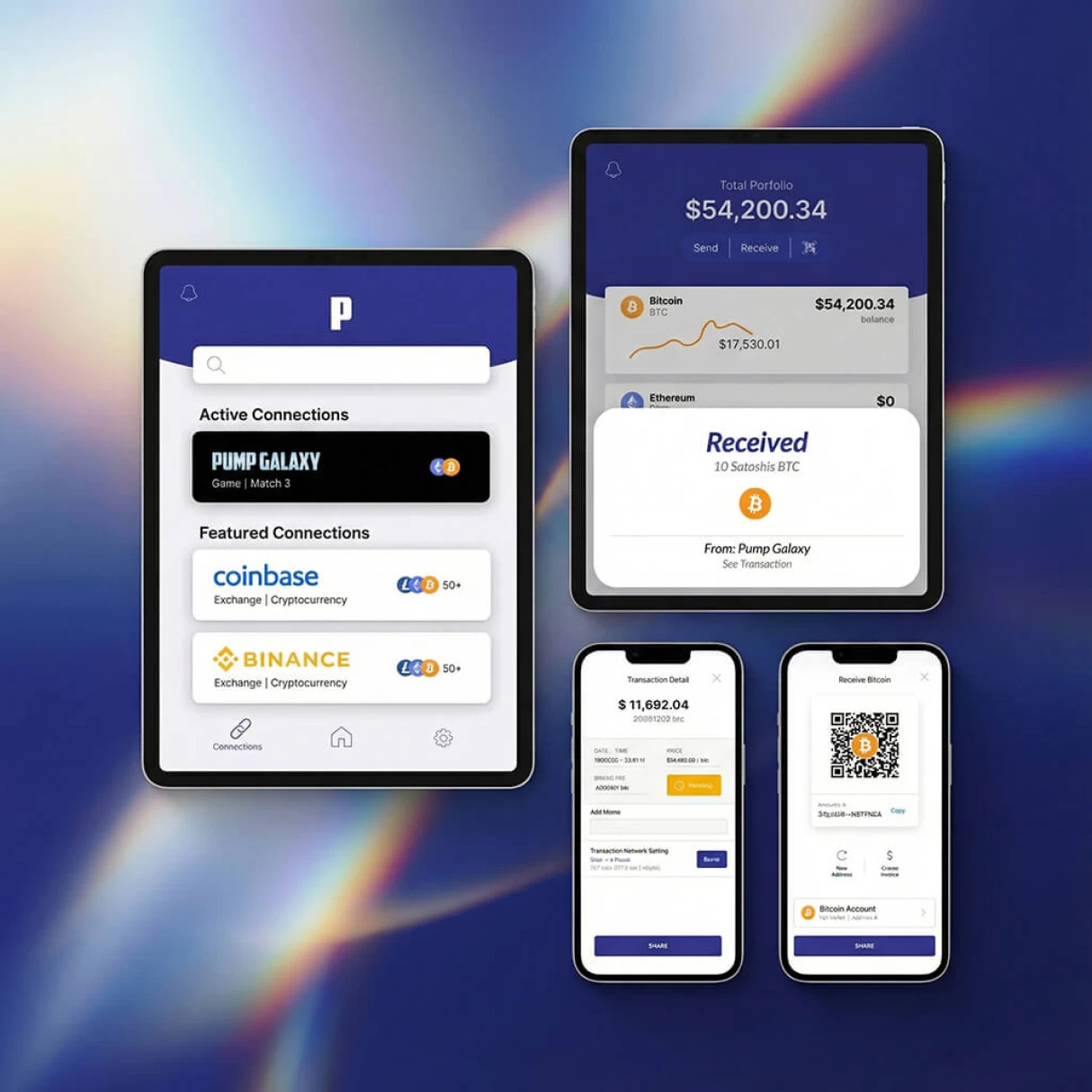
    Pharos Production has partnered with PumpTap to develop a secure, high-performance crypto wallet tailored for everyday Web3 interactions. PumpTap lets users store, send and manage digital assets across multiple blockchains through a simple, intuitive interface. Built on a scalable, event-driven architecture, the wallet delivers real-time transaction updates, robust security and seamless integration with decentralized applications.

Web3 and Blockchain Testimonials

Independent reviews from Clutch, GoodFirms and Google - verified client feedback on our software projects

Based on 10 verified client reviews

5 out of 5 stars
Web3 & Blockchain

Improved traceability and supplier coordination with measurable operational gains.

CEO at BASF
5 out of 5 stars
Web3 & Blockchain

Delivered secure crypto wallet with strong usability and proactive issue handling.

Anonymous
5 out of 5 stars
Web3 & Blockchain

Delivered blockchain solution tailored for legal workflows and document verification.

Michele Felmlee
5 out of 5 stars
Web3 & Blockchain

Delivered a prototype and strong Hyperledger-based foundation for scaling.

Lang Mei
5 out of 5 stars
Web3 & Blockchain

Implemented crypto and ledger systems with seamless integration into existing infrastructure.

Aleksis Kircuns
5 out of 5 stars
Web3 & Blockchain

Delivered secure blockchain solution with excellent communication and execution.

Jogendra Naik
5 out of 5 stars
Web3 & Blockchain

Built blockchain credential verification system improving fraud reduction and verification speed.

Gulshan Baig
5 out of 5 stars
Web3 & Blockchain

Helped redesign architecture for secure and scalable data operations.

Natalie Schubert
5 out of 5 stars
Web3 & Blockchain

Built DAO governance system with transparent voting and treasury tracking.

Harish Boddu
5 out of 5 stars
Web3 & Blockchain

Delivered scalable logistics platform with strong responsiveness and communication.

Rahul CB

Measurable results

70+ Applications delivered
200+ Clients worldwide
5/5 Clutch rating (2026)
13+ Years in production

Web3 and Blockchain Development Benchmark 2026

Proprietary research based on blockchain and Web3 projects delivered by Pharos Production. Dataset covers smart contracts, DeFi protocols, NFT platforms and DAO governance systems. Methodology (Pharos Verified Delivery): aggregated delivery metrics with post-deployment security monitoring per project. All smart contracts formally verified and independently audited before mainnet. Full report available on request.

8 weeks Average time to MVP for Web3 projects
100% Smart contracts audited before mainnet
0 Critical vulnerabilities in production contracts
$15K-$300K+ Project cost range depending on scope
5+ EVM-compatible chains supported per deployment
Sub-2s dApp transaction confirmation UX latency

Pharos Verified Delivery

Web3 projects follow Pharos Verified Delivery with security-first additions: discovery includes smart contract threat modeling and tokenomics review, build includes formal verification and automated scanning (Slither, Mythril, Foundry), production readiness requires external audit coordination.

Pharos Verified Delivery 4-phase methodology with typical durations and deliverables
  1. Phase 01 / 04

    Paid Discovery

    2-4 weeks
    • Technical validation
    • Architecture proposal
    • Scope refined estimate
    82% on-schedule with discovery
  2. Phase 02 / 04

    Iterative Build

    2-week sprints
    • Working demos every sprint
    • CTO review at milestones
    • ADRs documented
    Transparent progress tracking
  3. Phase 03 / 04

    Production Readiness

    • Monitoring and alerting
    • Security audit Pen test
    • Runbooks and rollback
    ISO 27001 compliant
  4. Phase 04 / 04

    Support

    Ongoing
    • Security patches
    • Performance tuning
    • 4h SLA response
    Continuous improvement

Pharos Verified Delivery applied to 70+ production applications since 2013

When blockchain is not the answer

We decline roughly 30% of RFPs we receive. Forcing a bad fit costs both sides 3-6 months and damages outcomes.

Projects we decline
  • Off-chain workflows that do not need trustless execution
  • Consumer apps where wallet UX friction kills retention
  • Token launches without legal counsel on securities classification
  • Enterprise data sharing where Hyperledger or APIs would be simpler
  • High-frequency micro-transactions on Ethereum mainnet without L2 strategy
When we recommend the alternative

We have declined token launch projects where the product clearly did not need blockchain. We start every Web3 engagement by asking "would a regular database solve this?" If yes, we say so.

Read before you commit

How to Choose a Blockchain Development Company →

Founder-grade evaluation guide covering security expertise, multi-chain experience, regulatory awareness and red flags when picking a blockchain partner.

Key takeaways
  • Web3 development requires smart contract security expertise (Solidity, Rust), formal verification and multi-chain deployment capability.
  • The blockchain services market is projected to reach $99.75 billion by 2034 at 41% CAGR (<a href="https://www.fortunebusinessinsights.com/blockchain-market-104600" target="_blank" rel="noopener">Fortune Business Insights</a>). Chainalysis reported $3.8B+ lost to exploits in 2022.
  • Custom Web3 enables audited smart contracts, multi-chain deployment and MiCA/GENIUS Act compliance that no-code platforms cannot deliver.
  • A basic smart contract or token launch starts from $15,000-$30,000 and takes 8 weeks. Full DeFi platforms and NFT marketplaces range from $80,000 to $300,000+.
  • Every Pharos Verified Delivery Web3 sprint includes formal verification, testnet validation and independent security audit before mainnet deployment.
Limitations and considerations
  • Smart contracts are immutable once deployed. Bugs in production contracts cannot be patched like traditional software - only mitigated through proxy patterns that add complexity and governance overhead.
  • Blockchain transaction costs (gas fees) fluctuate unpredictably. A DeFi operation costing $2 on a quiet day can spike to $50+ during network congestion, directly impacting user economics.
  • Regulatory frameworks for crypto (MiCA in EU, GENIUS Act in US) are still evolving. Token classification as security vs utility can change, requiring legal analysis that is outside Pharos Production scope.
  • Web3 user experience remains harder than Web2. Wallet setup, seed phrase management and transaction signing create friction that reduces adoption, especially for non-crypto-native users.
  • Cross-chain interoperability introduces bridge security risks. Bridge exploits accounted for $2B+ in losses across the industry. Multi-chain deployments require independent security audits per chain.

Pharos Production - Ready to build your Web3 product? From smart contract architecture to mainnet deployment - share your blockchain project requirements and get a Verified Delivery estimate in 48 hours. Every sprint includes formal verification, testnet validation and security audit. Start Your Blockchain Project.

Choose your cooperation model

Suitable for the project test
MVP

Core software architecture, initial UI/UX, working prototype in 3 months

$9,500 - $23,000
Popular choice
Suitable in 9 out of 10 cases
Full-fledged Production

Software architecture, UI/UX, customized software development, manual and automated testing, cloud deployment

$23,000 - $45,000
Turnkey development
Full-cycle Development

Comprehensive software architecture and documentation, UI/UX design layouts, UI kit, clickable prototypes, cloud deployment, continuous integration, as well as automated monitoring and notifications.

$50,000 - $80,000

Prices vary based on project scope, complexity, timeline and requirements. Contact us for a personalized estimate.

Important: Pharos Production builds blockchain software and smart contracts. We do not provide investment advice, token sales, or financial services. Token regulatory classification, securities compliance and money transmitter licensing are the client&apos;s legal responsibility. Smart contracts are deployed at the client&apos;s direction after security audit.

Or select the appropriate interaction model

Request staff augmentation

Need extra hands on your software project? Our developers can jump in at any stage – from architecture to auditing – and integrate seamlessly with your team to fill any technical gaps.

Outsource your project

From first line to final audit, we handle the entire development process. We will deliver secure, production-ready software, while you can focus on your business.

Comparison of engagement models at Pharos Production
Model Best for Team setup Budget range
Staff Augmentation Existing teams needing extra engineers at any project stage 1-2 weeks From $5,000/month
Project Outsourcing Full-cycle development from idea to production launch 1-2 weeks $10,000-$80,000+

An approach to the development cycle

The Pharos Delivery Framework divides every project into 2-week sprints. After each sprint there is a retrospective of the work done, planning for the next sprint, a report of the work done and a plan for the next sprint. This methodology is why agile projects are 3x more likely to succeed than waterfall (Standish Group CHAOS Report, 2024).
  1. Team Assembly

    Our company starts and assembles an entire project specialists with the perfect blend of skills and experience to start the work.

  2. MVP

    We’ll design, build, and launch your MVP, ensuring it meets the core requirements of your software solution.

  3. Production

    We’ll create a complete software solution that is custom-made to meet your exact specifications.

  4. Ongoing

    Continuous Support

    Our company will be right there with you, keeping your software solution running smoothly, fixing issues, and rolling out updates.

187+ technologies

Web3 and blockchain technologies, tools and frameworks we use

Our engineers work with 187+ technologies across blockchain, backend, frontend, mobile and DevOps - chosen for production reliability and performance.

Frameworks

Backend Frameworks 8

Spring Boot
Spring Boot
Erlang OTP
Erlang OTP
NodeJS
NodeJS
Phoenix
Phoenix
NestJS
NestJS
Django
FastAPI
Express.js

Front End Frameworks 8

React
React
Next.JS
Next.JS
Svelte
Svelte
Angular
Angular
Vue.js
Remix
Astro
Nuxt.js

AI and Machine Learning

LLM Providers 8

OpenAI GPT
Anthropic Claude
Google Gemini
Meta Llama
Mistral AI
Cohere
Ollama
xAI Grok

AI Frameworks 15

LangChain
LangGraph
CrewAI
AutoGen
Hugging Face
PyTorch
TensorFlow
scikit-learn
LlamaIndex
Keras
XGBoost
LightGBM
OpenCV
spaCy
ONNX Runtime

Vector Databases 7

Pinecone
Weaviate
Qdrant
Chroma
pgvector
Milvus
FAISS

MLOps and Infrastructure 11

MLflow
Weights & Biases
DVC
Kubeflow
AWS SageMaker
Azure ML
Google Vertex AI
NVIDIA Triton
Airflow
Ray Serve
vLLM

AI Agent Tools 4

OpenAI Agents SDK
Claude MCP
Semantic Kernel
Haystack

Blockchains

Private and Public Blockchains 33

Ethereum
Ethereum
TON
TON
Corda
Corda
Tron
Tron
Hedera
Hedera
Stellar
Stellar
Consensys GoQuorum
Consensys GoQuorum
Solana
Solana
Arbitrum
Arbitrum
Binance Smart Chain (BSC)
Sei
Sei
Celo
Celo
Hyperledger
Hyperledger
MultiversX
MultiversX
IOTA
IOTA
Polkadot
Polkadot
Aptos
Aptos
Neo
Neo
Flow
Flow
Algorand
Algorand
Avalanche
Avalanche
EOS
EOS
Optimism
Optimism
Polygon
Polygon
Cosmos
Cosmos
Sui
Sui
Tezos
Tezos
Ontology
Ontology
Fantom
Fantom
NEAR Protocol
NEAR Protocol
VeChain
VeChain
Base
Base
IPFS
IPFS

Cloud Blockchain Solutions 4

Amazon Managed Blockchain
Amazon QLDB
Amazon QLDB
IBM Blockchain
IBM Blockchain
Oracle Blockchain
Oracle Blockchain

DevOps

DevOps Tools 15

Kubernetes
Kubernetes
Terraform
Terraform
Docker
Docker
Istio
Istio
Prometheus
Prometheus
Grafana
Grafana
Jenkins
Jenkins
ArgoCD
ArgoCD
Ansible
Ansible
GitHub Actions
GitLab CI
Pulumi
Datadog
New Relic
Vault

Clouds

Clouds 6

Amazon Web Services
Amazon Web Services
Azure
Azure
Google Cloud
Google Cloud
Cloudflare
Vercel
DigitalOcean

Databases

Databases 15

PostgreSQL
PostgreSQL
MySQL MariaDB
MySQL MariaDB
Redis
Redis
Cassandra
Cassandra
Neo4J
Neo4J
MongoDB
MongoDB
Elasticsearch
Elasticsearch
Solr
Solr
Ignite
Ignite
ClickHouse
TimescaleDB
DynamoDB
Supabase
CockroachDB
ScyllaDB

Brokers

Event and Message Brokers 7

Kafka
Kafka
RabbitMQ
RabbitMQ
Flink
Flink
Apache Pulsar
Amazon SQS
Amazon SNS
NATS

Tests

Test Automation Tools 6

Postman
Postman
Appium
Appium
Cucumber
Cucumber
Selenium
Selenium
JMeter
JMeter
Cypress
Cypress

Programming

UI/UX

UI/UX Design Tools 12

Figma
Figma
Zeplin
Zeplin
InVision
InVision
Sketch
Sketch
Miro
Miro
Marvel
Marvel
Balsamiq
Balsamiq
Photoshop
Photoshop
Illustrator
Illustrator
XD
XD
After Effects
After Effects
Corel Draw
Corel Draw
Trusted & Certified

Partnerships & Awards

Recognized on Clutch, GoodFirms and The Manifest for software engineering excellence

  • Partner1
  • Partner2
  • Partner3
  • Partner4
  • Partner5
18+ industry awards

Web3 and Blockchain FAQ

Last updated: Reviewed by: Dmytro Nasyrov (Founder, Solutions Architect with 23+ years in Web3 and blockchain development)

Answers to common questions about Web3 development, blockchain platforms, smart contracts and decentralized applications.

  • Copy link Copies a direct link to this answer to your clipboard.

    Web3 solutions give businesses secure, decentralized products that reduce reliance on intermediaries and lower transaction costs. Pharos Production builds Web3 platforms that enable direct peer-to-peer interactions, transparent data ownership and programmable business logic through smart contracts. According to Ethereum Foundation, smart contracts eliminate counterparty risk by replacing manual enforcement with deterministic code execution. See the Ludo reputation platform for a real-world example and our FinTech solutions for payment and DeFi integration.

  • Copy link Copies a direct link to this answer to your clipboard.

    Most projects work well on existing blockchains like Ethereum, Solana or Polygon, so building a custom chain is rarely necessary. Pharos Production helps clients choose the right blockchain based on transaction speed, gas costs and ecosystem fit - then builds the application layer on top. See our blockchain development services.

  • Copy link Copies a direct link to this answer to your clipboard.

    When implemented correctly, blockchain technology provides strong cryptographic security, immutable transaction records and transparent audit trails. Chainalysis data shows that properly audited smart contracts have significantly lower exploit rates compared to unaudited deployments. Pharos Production applies formal verification, multi-signature wallets and security audits to ensure that high-value financial applications meet institutional-grade security standards.

  • Copy link Copies a direct link to this answer to your clipboard.

    Web3 project costs depend on complexity, blockchain choice and feature scope. A basic smart contract or token launch may start from $15,000-$30,000, while a full DeFi platform or NFT marketplace can range from $80,000 to $300,000+. Pharos Production provides a detailed project estimate within 48 hours. We offer flexible pricing across all industries we serve. Request a free estimate.

  • Copy link Copies a direct link to this answer to your clipboard.

    Pharos Production develops on Ethereum, Solana, Polygon, Arbitrum, Optimism, BNB Chain, Avalanche and other EVM-compatible networks. The team also builds on Cosmos SDK and Substrate for custom chain requirements. Chain selection depends on the project’s throughput needs, gas costs and ecosystem goals. Read our Web3 stack guide for developers for a detailed comparison. See our blockchain development services for supported platforms.

  • Copy link Copies a direct link to this answer to your clipboard.

    An MVP for a DeFi protocol or Web3 dApp typically takes 2-4 months. A full-featured platform with liquidity pools, governance and cross-chain bridges may require 5-10 months. Pharos Production uses agile development with 2-week sprints, security audits at each milestone and formal verification for critical smart contract logic. Our DevOps team handles testnet and mainnet deployments. Get a timeline estimate for your project.

  • Copy link Copies a direct link to this answer to your clipboard.

    We do not build meme token generators, copy-paste DeFi forks or projects without a clear business model. Our focus is production-grade blockchain infrastructure - smart contracts, DeFi protocols, crypto wallets and enterprise tokenization.

    For simple token launches without custom logic, no-code platforms like ThirdWeb are more appropriate. We take on Web3 projects starting at $10,000.

  • Copy link Copies a direct link to this answer to your clipboard.

    Smart contracts are immutable once deployed, so bugs discovered post-launch cannot be patched without proxy patterns or redeployment. Our Verified Delivery process uses 2-week sprints with formal verification, testnet deployment and security review at every iteration. Across PumpTap’s 18-month lifecycle, we ran 14 audit cycles - each cycle caught an average of 3 findings that were fixed before the next testnet deployment. This iterative approach catches vulnerabilities before mainnet, not after. According to the Standish Group (2024), agile projects are 3x more likely to succeed than waterfall approaches - a critical advantage when shipping immutable code.

  • Copy link Copies a direct link to this answer to your clipboard.

    Evaluate six factors: (1) years of blockchain-specific experience - not just general software, (2) smart contract security credentials including audit partnerships and formal verification capability, (3) chain coverage - ensure they support your target networks (EVM, Solana, Cosmos), (4) published case studies with verifiable client outcomes, (5) independent reviews on platforms like Clutch and GoodFirms, and (6) a clear development methodology with security checkpoints at every sprint. Avoid firms that skip testnet deployment or offer no post-launch support. Pharos Production scores 5/5 on Clutch with 73 verified reviews and applies its Verified Delivery process to every project.

  • Copy link Copies a direct link to this answer to your clipboard.

    Web3 development differs from traditional software in five key areas. Data storage uses decentralized networks (IPFS, Arweave) instead of AWS or Azure. User identity relies on wallet-based authentication (MetaMask, WalletConnect) rather than email and password. Business logic runs on immutable smart contracts instead of server-side code that can be patched after deployment. Transactions are verified by network consensus, not a central database. Development cycles are longer because smart contract audits, formal verification and testnet validation are required before mainnet launch. Pharos Production bridges both worlds - our team combines 12+ years of traditional back-end development with deep Web3 expertise across 20+ blockchain networks.

  • Copy link Copies a direct link to this answer to your clipboard.

    Yes. We recommend starting with a proof of concept (PoC) for projects involving novel smart contract logic, untested tokenomics or complex cross-chain interactions. A typical blockchain PoC takes 3-6 weeks, includes a working smart contract on testnet, basic front-end interface and a security assessment. This validates technical feasibility and business assumptions before committing to full development. PoC cost typically ranges from $10,000-$25,000 depending on complexity. The PoC code and architecture become the foundation for the production build, so nothing is wasted. Request a PoC estimate.

  • Copy link Copies a direct link to this answer to your clipboard.

    Every blockchain project includes post-launch support as part of our Verified Delivery process. Our standard SLA covers 99.9% uptime for node infrastructure, 24-hour response time for critical issues and ongoing smart contract monitoring. For DeFi protocols and exchanges handling significant TVL, we offer enhanced SLAs with 1-hour incident response, real-time alerting and scheduled security re-audits every quarter. Our DevOps team manages infrastructure monitoring, chain upgrades and gas optimization on an ongoing basis.

  • Copy link Copies a direct link to this answer to your clipboard.

    Pharos Production develops stablecoins with three collateralization models: fiat-backed (reserves held in regulated custody), crypto-backed (over-collateralized with on-chain liquidation) and algorithmic (mint-burn supply mechanisms). Each model requires different smart contract architecture and regulatory considerations. Fiat-backed stablecoins need oracle integration for price feeds and proof-of-reserves mechanisms. We build the full stack including minting contracts, redemption flows, reserve dashboards and compliance reporting. Stablecoin projects typically require $40,000-$120,000 depending on collateralization model and regulatory scope. See our blockchain development services.

  • Copy link Copies a direct link to this answer to your clipboard.

    Yes. The EU Markets in Crypto-Assets Regulation (MiCA) requires crypto-asset service providers (CASPs) to obtain authorization, maintain governance systems and implement KYC/AML controls by July 2026. Pharos Production builds MiCA-compliant platforms covering white paper iXBRL formatting, order book record-keeping per ESMA technical standards, transaction transparency reporting and stablecoin reserve management (100% backing with monthly audits for e-money tokens). Non-compliance carries fines up to 12.5% of annual turnover. Our Verified Delivery process includes regulatory compliance validation at every sprint.
  • Copy link Copies a direct link to this answer to your clipboard.

    Yes. Central Bank Digital Currencies (CBDCs) are being explored by 134+ countries representing 98% of global GDP (Atlantic Council). Pharos Production builds CBDC infrastructure including two-tier distribution ledgers, retail and wholesale wallet applications, cross-border interoperability (mBridge model), programmable compliance with tiered KYC and offline payment capability. Our platforms support Hyperledger, R3 Corda and Ethereum-based architectures. See our FinTech solutions for payment integration.

  • Copy link Copies a direct link to this answer to your clipboard.

    DePIN (Decentralized Physical Infrastructure Networks) uses crypto-economic incentives to crowdsource real-world infrastructure - wireless networks, compute power, storage, sensors and energy grids. The DePIN sector has 650+ active projects with a market cap exceeding $30 billion in 2026. Pharos Production builds DePIN protocol architecture on Solana, Ethereum and Cosmos including tokenomics design, Proof-of-Physical-Work verification, IoT firmware SDKs, contributor dashboards and DePIN-to-DeFi integration. See our agriculture solutions for IoT sensor networks.

  • Copy link Copies a direct link to this answer to your clipboard.

    The GENIUS Act, signed into law in July 2025, is the first US federal stablecoin framework. It requires 100% reserve backing (Treasuries under 93 days, bank deposits, MMFs), prohibits rehypothecation and yield payments, mandates NIST CSF 2.0 cybersecurity and gives regulators freeze/seize authority. Non-compliant issuers face fines up to $200,000/day. Pharos Production builds GENIUS Act-compliant stablecoin infrastructure including reserve management, proof-of-reserves attestation, real-time OFAC sanctions screening and KYC/BSA compliance modules.

  • Copy link Copies a direct link to this answer to your clipboard.

    Yes. AI agents are autonomous systems that execute DeFi strategies, monitor smart contracts and automate governance without continuous human input.
    The AI agent market is projected to reach $47 billion by 2030 (MarketsandMarkets). Pharos Production builds DeFi yield optimization agents, smart contract audit agents, on-chain analytics agents, DAO governance agents and cross-chain bridge monitoring agents. Our agents use multi-agent orchestration with human-in-the-loop safety patterns for high-value operations.

Dmytro Nasyrov, Founder and CTO at Pharos Production
Dmytro Nasyrov Founder & CTO Let’s work together!

Build your Crypto, Web3 and Blockchain platform

90+ engineers ready to deliver your Crypto, Web3 and Blockchain project on time and within budget

Your contact details
Please enter your name
Please enter a valid email address
Please enter your message
* required

We typically reply within 1 business day

What happens next?

  1. Contact us

    Contact us today to discuss your project. We’re ready to review your request promptly and guide you on the best next steps for collaboration

    Same day
  2. NDA

    We’re committed to keeping your information confidential, so we’ll sign a Non-Disclosure Agreement

    1 day
  3. Plan the Goals

    After we chat about your goals and needs, we’ll craft a comprehensive proposal detailing the project scope, team, timeline and budget

    3-5 days
  4. Finalize the Details

    Let’s connect on Google Meet to go through the proposal and confirm all the details together!

    1-2 days
  5. Sign the Contract

    As soon as the contract is signed, our dedicated team will jump into action on your project!

    Same day

Our offices

Headquarters in Las Vegas, Nevada. Engineering office in Kyiv, Ukraine.

Las Vegas, United States

Headquarters PST (UTC-8)
5348 Vegas Dr, Las Vegas, Nevada 89108, United States

Kyiv, Ukraine

Engineering office EET (UTC+2)
44-B Eugene Konovalets Str. Suite 201, Kyiv 01133, Ukraine