Custom Android App Development
We create scalable, high-performance Android apps tailored to your business needs. Our team uses Kotlin and modern Android frameworks to deliver stable, future-proof solutions.
Explore Custom Android App Development
Reviewed by Dr. Dmytro Nasyrov, Founder and CTO • Last reviewed August 20, 2026
We develop feature-rich Android apps optimized for performance, security and a seamless user experience across all devices.
We develop feature-rich Android apps optimized for performance, security and a seamless user experience across all devices. Our team offers customized mobile solutions that help businesses grow faster and reach broader audiences within the Android ecosystem.
Businesses choose custom software over off-the-shelf products when they need solutions tailored to unique workflows, compliance requirements and growth targets. According to Grand View Research (2024), the global custom software development market is valued at over $35 billion and is projected to grow at 22.3% CAGR through 2030. Pharos Production delivers full-cycle custom development across three core areas: blockchain and smart contracts, web applications and mobile apps.
We create scalable, high-performance Android apps tailored to your business needs. Our team uses Kotlin and modern Android frameworks to deliver stable, future-proof solutions.
Explore Custom Android App DevelopmentWe develop clean and intuitive interfaces that adhere to Material Design guidelines. This method guarantees smooth navigation, excellent usability and a consistent visual experience across all devices.
Explore Android UI/UX DesignWe link your Android app to secure back-end APIs, payment gateways, analytics services and external tools. This boosts functionality and allows smooth data sharing.
Explore API and Third-Party Service IntegrationWe prepare your app for successful publication on Google Play by handling compliance, metadata and policy requirements. This helps prevent rejections and accelerates your launch process.
Explore Google Play Store DeploymentWe perform both manual and automated tests on different devices and operating system versions to ensure stability and performance. This process helps reduce bugs and improves the overall user experience.
Explore Android App Testing and QAWe enhance app speed, reduce resource consumption and implement real-time monitoring tools. This guarantees consistent performance, even during high traffic.
Explore Performance Optimization and MonitoringWe provide ongoing updates, bug fixes and feature improvements to keep your Android app up to date and secure. This ensures long-term stability and compatibility with OS updates.
Explore Android App Maintenance and SupportWe optimize applications for large screens, foldable devices and smartwatches to deliver a seamless multi-device experience. This expands user reach and boosts product versatility across the Android ecosystem.
Explore Development for Tablets, Foldables and Wear OSNative Kotlin delivers best performance on low-end devices, full access to Android platform APIs and the highest Play Store review acceptance rate for regulated categories. Cross-platform frameworks (React Native, Flutter) ship both iOS and Android from one codebase at 30-50% lower cost. Native Android is usually preferred when targeting emerging markets with device fragmentation, or when the app needs deep platform integration that cross-platform plugins do not support well.
| Factor | Native Android (Kotlin) | Cross-platform (RN / Flutter) |
|---|---|---|
| Performance on low-end | Best-in-class; tuned memory and battery for sub-3GB RAM devices | Acceptable on mid-range; struggles below 3GB RAM |
| Platform API | Full SDK access; Wear OS, Android Auto, MLKit on-device, Health Connect | Limited coverage for niche APIs; plugin ecosystem varies |
| Device fragmentation | Real-device testing across 20+ OEMs handles quirks directly | Cross-platform layer hides fragmentation; surprises in production |
| Code share | 0% shared with iOS; two separate codebases | 70-90% shared between iOS and Android |
| Cost (year 1) | $35,000-$220,000 for Android-only | $30,000-$150,000 for both stores combined |
| Time to market | 8-14 weeks for an MVP | 2-4 months for an MVP on both stores |
| Hiring pool | Large pool of senior Kotlin engineers; mature tooling | Smaller pool of senior RN/Flutter engineers |
| Best fit | Emerging markets, deep platform integration, regulated categories, Wear/Auto/TV | Most B2C + B2B apps targeting both stores with similar features |
Our team of 90+ engineers covers the full development stack, from Solidity smart contracts and React front-ends to Kubernetes infrastructure and automated QA pipelines. Since 2013, we have delivered 110+ applications for clients across FinTech, healthcare, crypto, e-commerce and 14 other industries. Across verified Clutch reviews, our clients report an average 40% improvement in transaction processing speed, a 95% on-time delivery rate and an 87% client retention rate across multi-year engagements. Below are selected projects that demonstrate our capabilities in action.


Pharos Production collaborated with a taxi aggregator platform to develop a high-load ride-hailing application that connects passengers and drivers in real time. This platform consolidates various fleets and independent drivers into a single system, ensuring quick ride matching, live tracking and transparent pricing. Built on a cloud-native infrastructure, the solution offers low-latency interactions, reliable trip processing and scalability for operations at the city and regional levels.


Pharos Production has partnered with Sagas to create a location-aware social platform that enables users to capture, publish and explore geo-located timelapses over time. This system combines real-time data ingestion, large-scale media processing and map-centric discovery to transform physical locations into dynamic digital stories. Leveraging cloud-native infrastructure and event-driven architecture, Sagas allows users to document urban changes, natural evolution and personal moments tied to specific places. The result is a scalable social network where time and location are central to content discovery.


Pharos Production has partnered with Pulse to create a community-driven social network that connects users with local stores through challenges, engagement activities and real-world prizes. This platform transforms everyday local interactions into interactive experiences, enabling users to earn rewards from participating merchants. Built on a scalable, event-driven architecture, Pulse facilitates real-time interactions between users and businesses and supports rapid growth across cities and regions.


Pharos Production partnered with Pro Gambling to build a high-load sports forecasting platform focused on data-driven predictions, real-time analytics and scalable delivery of betting insights. The platform aggregates large volumes of sports data, odds movements and historical statistics to generate forecasts that help users make informed betting decisions. Built on a cloud-native, event-driven architecture, Pro Gambling delivers fast updates, transparent analytics and consistent performance during peak sports events.


Pharos Production has partnered with Pleenk to build a secure, scalable payments platform for fast transactions, fraud prevention and seamless integration with digital products. The platform processes payment flows in real time while maintaining high levels of security, transparency and reliability for both businesses and end users. Built on cloud-native infrastructure and an event-driven architecture, Pleenk provides a strong foundation for modern digital payments.


Pharos Production partnered with NoMoreBets to develop a worldwide one-tap live betting platform focused on speed and scalability. The system handles real-time odds and instant bets effortlessly. The result is a smooth, engaging betting experience that increased player retention, reduced drop-offs during live matches and positioned NoMoreBets for global growth since 2022.


Pharos Production partnered with Nextcheck to replace outdated, manual onboarding with a secure, automated KYC/AML platform. Built on AWS, Kubernetes, Istio, Elixir, RabbitMQ, PostgreSQL and NextJS, the platform provides real-time biometric and document verification, risk assessment and compliance reporting. Since 2019, Nextcheck has reduced onboarding time by 60%, cut manual labor by 70% and expanded to support thousands of checks at once. Today, it powers global banks, FinTechs and crypto firms with a cloud-native, regulation-ready, growth-oriented compliance platform.
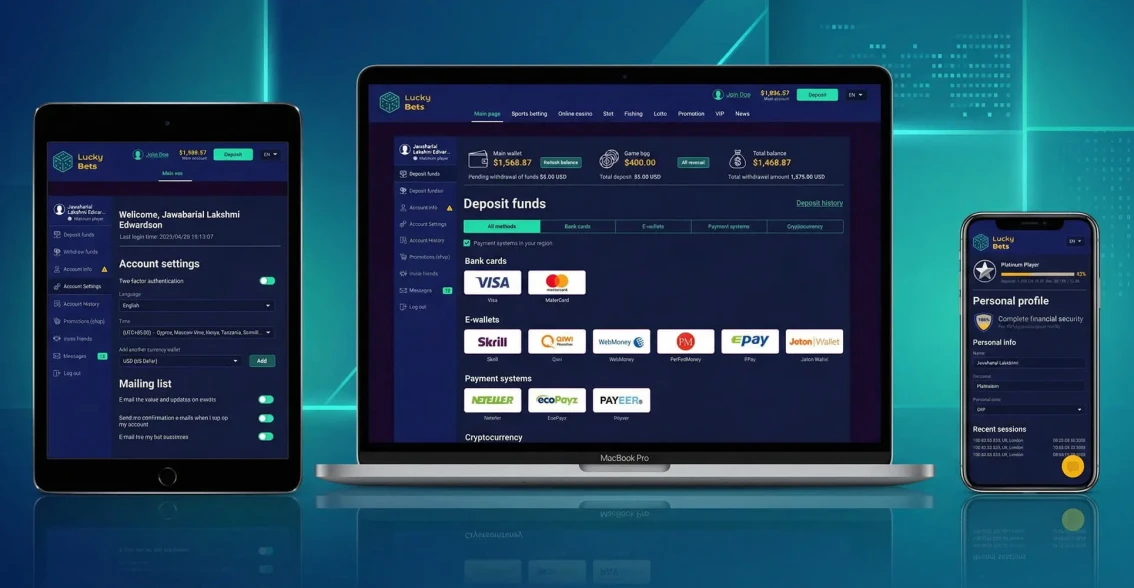
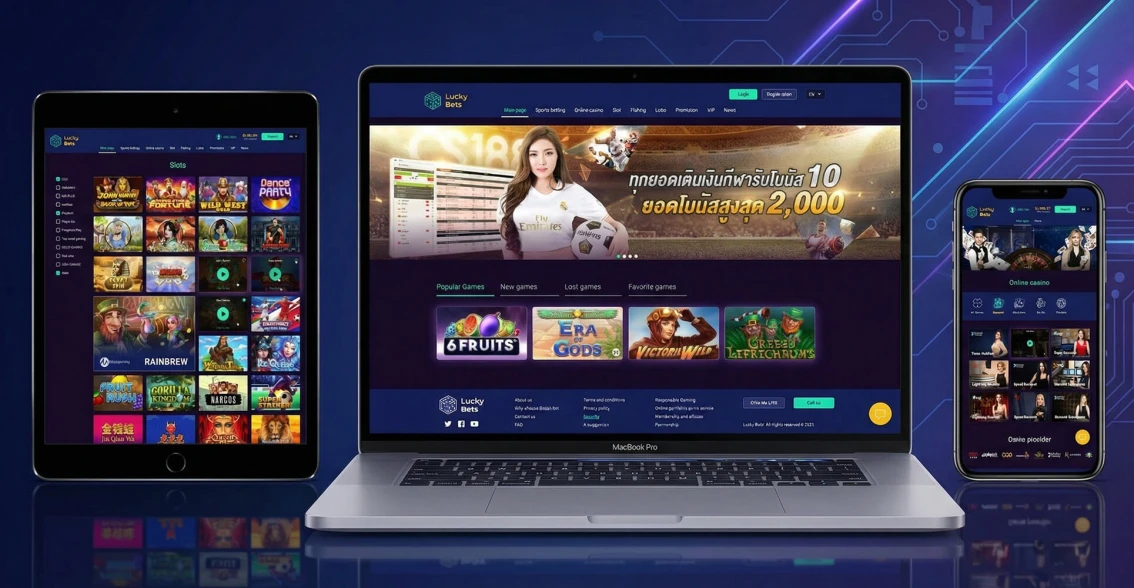
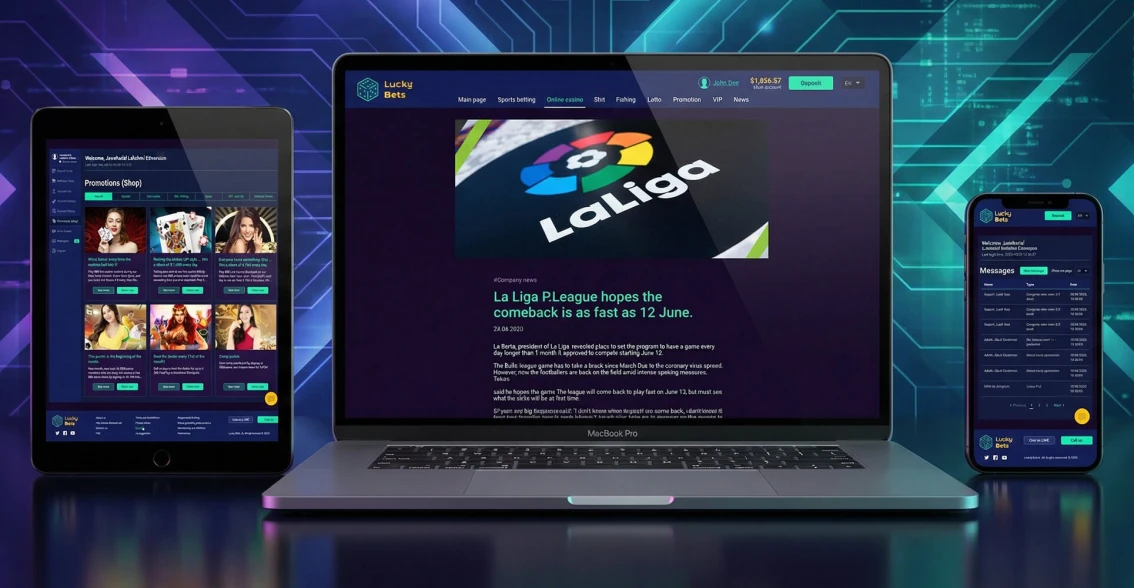
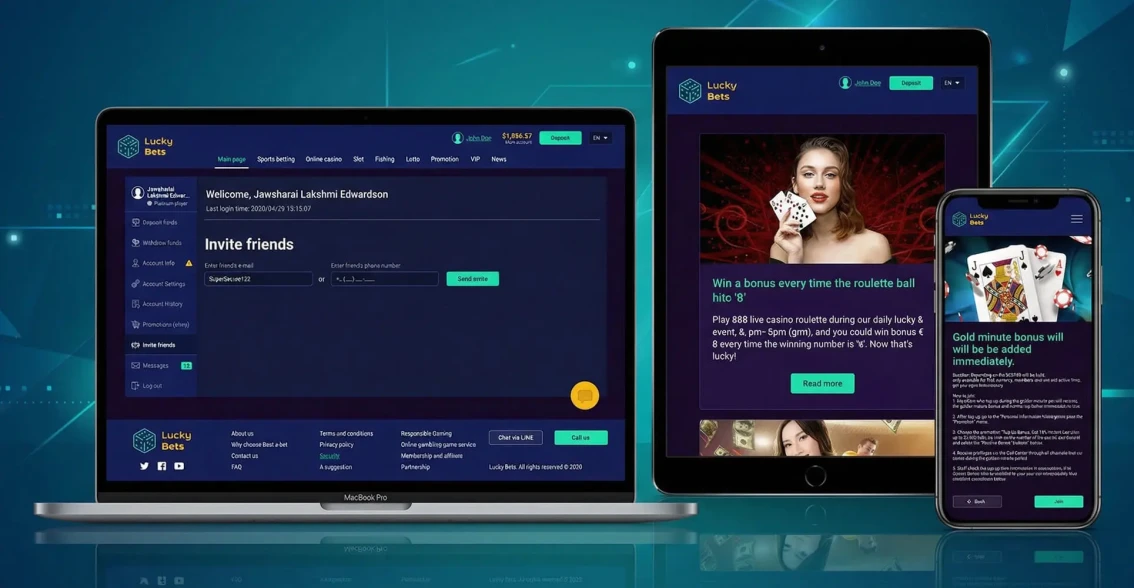
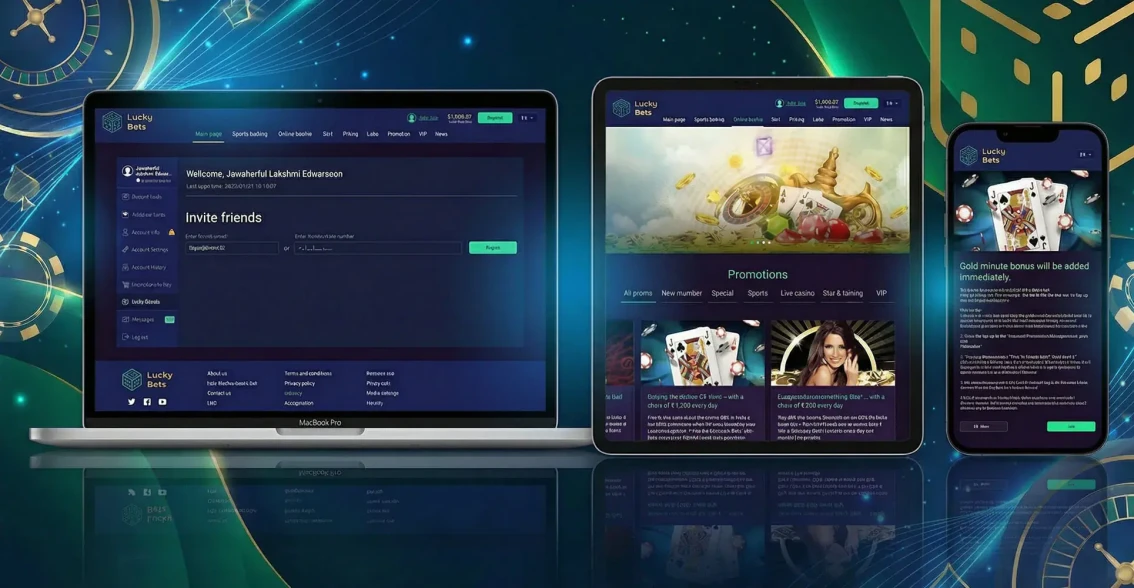
Pharos Production has partnered with Lucky Bets to create a high-performance casino games aggregator and online casino platform focused on scalability, reliability and player engagement. This platform seamlessly integrates hundreds of games from multiple providers, delivering a unified gaming experience while managing real-time gameplay events, balances and analytics with minimal latency. Built on cloud-native infrastructure, Lucky Bets offers a fast, secure and flexible foundation for modern iGaming operations.
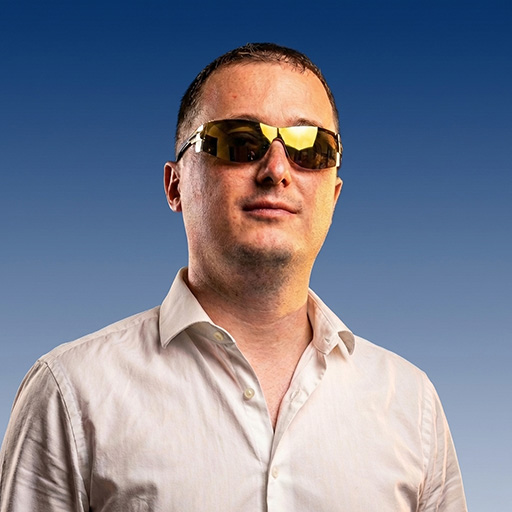
Founder and CTO Pharos Production
I design and build reliable software solutions - from lightweight apps to high-load distributed systems and blockchain platforms.
PhD in Artificial Intelligence, MSc in Computer Science (with honors), MSc in Electronics & Precision Mechanics.
13 years in architecture of great software solutions tailored to customer needs for startups and enterprises
23 years of practical enterprise customized software production experience
Lecturer at the National Kyiv Polytechnic University
Doctor of Philosophy in Artificial Intelligence
Master's degree in Computer Science, completed with excellence
Master's degree in Electronics and precision mechanics engineering
Android projects follow Pharos Verified Delivery with Android-specific gates: discovery includes device matrix scoping (OS versions, screen sizes, OEM quirks); build ships internal-track releases every sprint with crash-free baseline; production readiness covers Play Store submission with data safety labels, foreground service justification and a resubmission checklist; support includes ANR monitoring, Play Console rollout controls and device-specific crash triage.
Pharos Verified Delivery applied to 110+ production applications since 2013
Three native Android engagements highlighting the OEM-specific and emerging-market calls that made them work.
iOS-first app ported via cross-platform. Crashed on 40% of lower-end Android devices common in target markets. Users could not complete onboarding in low-connectivity areas.
Native Android rewrite targeting Android 7+ with offline-first architecture and aggressive memory optimization. Crash rate dropped from 8.2% to 0.4%. Onboarding completion rate up from 31% to 78% in target markets. Monthly active users doubled in 4 months.
Testing on real devices was the unlock. We built a device farm with 25 representative phones from the target markets (mostly 2-3GB RAM, Android 8-11) and ran the app on all of them every sprint. Emulators hide memory issues; real devices do not.
Drivers used a 6-year-old Android app with memory leaks that killed the background service daily. Route updates required app restart. Battery drained to zero by mid-shift on 80% of devices.
Kotlin + Jetpack Compose rewrite with WorkManager for background sync and battery-efficient location tracking. Battery drain down 67% during typical 8-hour shifts. Background service reliability 99.8%. Drivers stopped manually restarting the app.
The old app treated location as "keep fetching forever"; the new app uses geofences + adaptive polling based on speed. We also moved heavy state to DataStore which handles concurrent reads better than SharedPreferences on low-end devices.
Custom card entry flow failing PCI scope review. Play Store flagged the app for bypassing Play Billing on digital goods, threatening removal.
Google Pay tokenization for physical goods + Play Billing for digital subscriptions. PCI scope eliminated from the Android codebase. Play Store compliance restored, no removal threat. Checkout conversion up 14%.
Play Billing rules are strict on digital goods; we separated the flow so physical goods use Google Pay (outside Play Billing) and digital subscriptions use Play Billing (with correct in-app purchase routing). Both paths satisfy Google's policies.
Client names anonymized under NDA. Full case studies at /cases/.
We decline roughly 30% of RFPs we receive. Forcing a bad fit costs both sides 3-6 months and damages outcomes. Here is how we think about scope:
Native Android is the right call when you need deep platform integration (Work Profile, Scoped Storage, MLKit on-device, Wear OS, Android Automotive), emerging-market performance on low-end devices, OEM-specific optimizations or Play Store review compliance for sensitive categories. For 70% of apps that target both stores with similar features, React Native or Flutter ships at 30-50% lower cost. We have recommended cross-platform over native on many engagements.
Observations from 29 Android engagements delivered 2019-2026 across FinTech, delivery, healthcare and consumer.
Apps with Jetpack Compose as primary UI toolkit shipped with 38 percent less UI code on average than XML equivalents in matched projects.
Foreground service declarations reviewed at design-time passed Play Console review 8 of 9 submissions; retrofit declarations triggered rework in 4 of 6.
Crash-free rate stayed over 99.5 percent when observability was integrated from sprint one; retrofit pulled baseline to 97.8 percent average.
Teams of 3 to 5 Android engineers shipped production apps in 12 to 20 weeks depending on backend integration and device-matrix breadth.
Android development in 2026 is shaped by three forces: Jetpack Compose reaching near-parity with XML layouts for production apps, Android Privacy Sandbox reshaping attribution and analytics and Play Console policy tightening around foreground services, billing and data safety. The installed base diversity (API 26 to 34) remains Android's dominant engineering constraint.
Material Design 3 adoption accelerated post-Android 14; dynamic color and adaptive layouts are featuring requirements for Google Play editorial curation[2].
Google Play Developer Policy 2024 tightened data safety, foreground service, AI content and subscription transparency; non-compliant apps faced suspension waves[4].
Data.ai 2024 reports Android retains 70 percent of global install share and 35 percent of consumer app spend, with Asia-Pacific leading growth[9].
OWASP Mobile Top 10 2024 shows insecure data storage plus insufficient cryptography accounting for 60 percent of reported Android app vulnerabilities[12].
Before submitting to Google Play Review, run this 8-point gate. Apps below 7 of 8 consistently produce suspension or rejection cycles in our tracked cohort.
Play Console Data Safety section truthful, specific and aligned with actual SDK behaviour[4].
Dynamic color, adaptive layouts (phone, tablet, foldable) and Material motion verified on top 5 flows[2].
Over 99.5 percent crash-free sessions on Crashlytics or Sentry across internal test track cohort[7].
AAB under 50 MB, on-device install size under 150 MB for mass-market; tablet and foldable variants verified.
Google Play Billing Library 6.x+ with deferred consumption and acknowledgement verified server-side.
EncryptedSharedPreferences, SafetyNet/Play Integrity checks, TLS 1.3 with pinning on security flows[12].
TalkBack, large text and Switch Access tested end to end; content descriptions on every interactive element.
App tested on API 26, 28, 31, 33, 34; form-factor grid covers phone, tablet and foldable.
A delivery-tracking Android app shipped in 2024 used a persistent foreground service for real-time location, declared as "location" type. Google Play suspended the app 6 weeks post-launch citing "foreground service type mismatch with advertised functionality" after policy tightening on foreground service abuse. Root cause: foreground service type declared too broadly and in-app disclosure UI did not match Play Console advertised purpose. We split the foreground service into two typed services (location plus data-sync), updated in-app disclosure modal to match Play Console description and resubmitted. App was reinstated within 5 days. We now gate foreground service declarations at design-review time, not submission time. The lesson: Play Console policy enforcement is proactive, not reactive, and type declarations must match both app behaviour and store listing.
Independent reviews from Clutch, GoodFirms and direct client testimonials - verified feedback on our software projects
Based on 342 verified reviews

Pharos Production transformed our outdated hospital systems with a cutting-edge, robust software platform that enhanced operational visibility and simplified integrations. Their meticulous engineering and deep knowledge of healthcare made them an invaluable partner we could truly rely on!
Trusted by Coinbase, Consensys, Core Scientific, MicroStrategy, Gate.io and 10+ more Web3 and enterprise platforms
16+ partnersOur 16 technology partners include:
Recognized on Clutch, GoodFirms and The Manifest for software engineering excellence





65+ industry awards
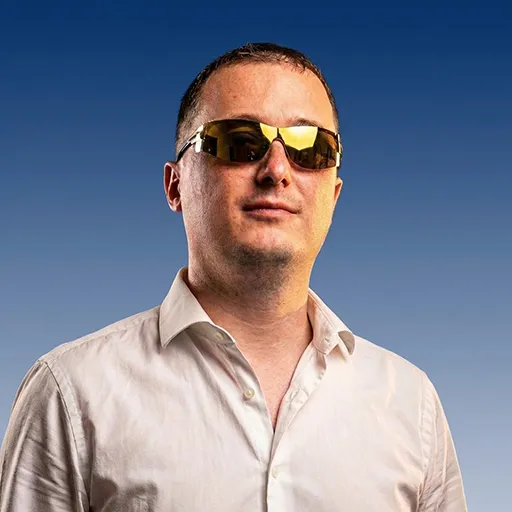
Practice led by Dmytro Nasyrov
Founder and CTO
23+ years in custom software development. Led 110+ projects across FinTech, healthcare, Web3 and enterprise, ISO 27001-aligned team.
Pharos Production scopes engagements in three tiers, Proof of concept, MVP build and Enterprise platform, with typical budgets from $10,000 to $500,000+ depending on scope and complexity.
Focused validation of your riskiest technical assumption with a working spike, a clean codebase and a clear build-or-pivot recommendation.
Production-ready first version with core user flows, real backend, authentication and the integrations you need to onboard first paying users.
Full-scale build covering architecture, DevOps, QA, security and long-term evolution across teams and regions.
Prices vary based on project scope, complexity, timeline and requirements. Hourly rates range from $50 to $99 depending on role and seniority. Contact us for a personalized estimate.
Need extra hands on your software project? Our developers can jump in at any stage - from architecture to auditing - and integrate seamlessly with your team to fill any technical gaps.
Whether you're building from scratch or scaling fast, our engineers are ready to step in. You stay in control, and we handle the code.
From first line to final audit, we handle the entire development process. We will deliver secure, production-ready software, while you can focus on your business.
| Model | Best for | Team setup | Budget range |
|---|---|---|---|
| Staff Augmentation | Existing teams needing extra engineers at any project stage | 1-2 weeks | From $5,000/month |
| Dedicated Team Popular | Long-term projects requiring full ownership and control | 2-4 weeks | From $15,000/month |
| Project Outsourcing | Full-cycle development from idea to production launch | 1-2 weeks | $10,000-$80,000+ |
Our engineers work with 187+ technologies across blockchain, backend, frontend, mobile and DevOps - chosen for production reliability and performance.
Our engineers work with 187+ technologies across 10 categories: Frameworks, AI, Blockchains, DevOps, Clouds, Databases, Brokers, Tests, Programming, UI/UX.

























Our company starts and assembles an entire project specialists with the perfect blend of skills and experience to start the work.
We'll design, build and launch your MVP, ensuring it meets the core requirements of your software solution.
We'll create a complete software solution that is custom-made to meet your exact specifications.
Our company will be right there with you, keeping your software solution running smoothly, fixing issues and rolling out updates.

Mobile app development cost in 2026: native vs cross-platform pricing, cost by app complexity, what drives the budget and how to estimate yours.
Flutter vs React Native comparison for 2026. Performance benchmarks, developer experience, ecosystem maturity, cost analysis and decision framework for mobile development.
A public-data synthesis of cross-platform versus native adoption, app store economics and fees, mobile AI feature adoption, release cadence and mobile DevOps plus app quality and retention benchmarks in 2026, drawn from Statista, data.ai/Sensor Tower, JetBrains, Stack Overflow, Apple/Google published fee structures and Bitrise/Codemagic research.
Type to filter questions and answers. Use Topic to narrow the list.
Showing all 8
No matches
Try a different keyword, change the topic or clear filters
Native Android makes sense when you target emerging markets with low-end devices, need deep platform integration (Wear OS, Android Auto, Health Connect, Work Profile) or need the highest Play Store review acceptance rate for sensitive categories. Cross-platform fits 70% of apps targeting both stores with similar features.
Pharos builds both; we recommend whichever fits your team, budget, device matrix and feature surface.
MVP typically 8-14 weeks: 1-2 weeks discovery and device matrix scoping, 5-8 weeks build with internal-track distribution every sprint, 1-2 weeks Play Store submission and review. Production apps with complex native integrations, emerging-market device optimization or Wear OS / Android Auto extensions run 4-8 months.
Play Store review adds 1-3 days; we design submissions to pass on first try.
Native Android MVP $35,000-$85,000 (single-platform, basic backend, 10-20 screens). Production Android app $85,000-$220,000+ (complex native integrations, custom backend, offline-first, emerging-market optimization).
Cost drivers: device matrix size, backend complexity, real-time and sync requirements, Play Billing integration, Wear OS or Android Auto extensions.
Real-device testing, not just emulators. We build a device matrix of 15-25 representative devices during discovery covering the target markets (flagship, mid-range, low-end, tablets, foldables, Wear OS where relevant) and run the app on all of them every sprint via Firebase Test Lab or an on-premise device farm.
Emulators hide memory leaks, battery drain and OEM-specific bugs; real devices do not.
Yes. Offline-first architecture with WorkManager for background sync.
Aggressive memory management (monitor onTrimMemory callbacks). Image optimization (vector drawables, WebP, responsive loading). Battery efficiency via adaptive polling + geofences instead of continuous location. App size reduction via App Bundles with dynamic feature modules. We have shipped apps for APAC, LATAM and African markets on devices with 2-3GB RAM and Android 7-10.
Yes. Google Pay via the Google Pay API for physical goods and services (outside Play Billing).
Play Billing Library for digital goods and subscriptions (required by Play Store policy). We separate the flows correctly so the app satisfies both PCI scope minimization and Google's in-app purchase policy. We have shipped marketplaces, SaaS subscriptions and commerce apps on this stack.
Yes. Wear OS for fitness and notification-focused use cases; Android TV for media apps and remote dashboards; Android Auto for in-car media and messaging.
Each platform has its own UX constraints and submission checklist; we scope during discovery whether the investment is worth it (typically only when you already have a strong mobile app).
We decline wrapper apps, apps where cross-platform would ship cheaper on both stores, apps without a device fragmentation testing strategy, apps dependent entirely on a third-party SDK with no engineering scope and notification-only apps that should be push channels or PWAs.
Published record
Technical articles, comparison guides and methodology deep-dives we write from our own delivery experience.
Android engineering in 2026 is measurable: data safety accuracy, Material 3 conformance, crash-free sessions, Billing Library 6 and Play Integrity. Pharos Production ships Android builds that pass Play Console review on first submission and sustain crash-free thresholds from launch.
Achieve them with minimized risk through our bespoke innovation capabilities
Contact us today to discuss your project. We're ready to review your request promptly and guide you on the best next steps for collaboration
Same dayWe're committed to keeping your information confidential, so we'll sign a Non-Disclosure Agreement
1 dayAfter we chat about your goals and needs, we'll craft a comprehensive proposal detailing the project scope, team, timeline and budget
3-5 daysLet's connect on Google Meet to go through the proposal and confirm all the details together!
1-2 daysAs soon as the contract is signed, our dedicated team will jump into action on your project!
Same dayHeadquarters in Las Vegas, Nevada. Engineering office in Kyiv, Ukraine.
We also work with clients through dedicated local teams in Las Vegas, New York and San Francisco.
Thanks for the request!
We typically reply within 4 hours