KYC Software Development
Build or improve identity verification workflows with provider integrations, review tools and traceable decisions.
Explore KYC Software Development
Last reviewed August 19, 2026
FinTech development at Pharos Production: payments processors, banking-core, lending, RegTech, digital-assets trading.
FinTech development at Pharos Production: payments processors, banking-core, lending, RegTech, digital-assets trading. Audit-first delivery with PCI-DSS, PSD2, SOC 2. 15+ regulated systems shipped since 2019.
Choose a service to review its scope, delivery options and relevant project evidence.
Build or improve identity verification workflows with provider integrations, review tools and traceable decisions.
Explore KYC Software DevelopmentCustom FinTech development gives you control over the regulatory model, unit economics and customer experience, while payments-as-a-service (Stripe Connect, Adyen for Platforms, Unit) ships in days but locks you into vendor pricing and rules. According to the 2024 a16z FinTech research, 63% of growth-stage FinTech founders eventually move at least one core flow off PaaS to capture margin.
| Factor | Custom FinTech build | Payments-as-a-service |
|---|---|---|
| Unit economics | Direct merchant or sponsor-bank rates; margin captured by you | Vendor markup of 1-3% + fixed fees; margin capped |
| Regulatory model | You hold (or partner with) the licensed entity; full compliance ownership | Vendor holds the license; you operate as a sub-merchant |
| Customization | Tailored flows for KYC, dispute handling, multi-currency, jurisdiction logic | Generic templates; limited workflow control |
| Data residency | Your VPC, your region, your retention rules | Vendor regions; subject to vendor data flow |
| Integrations | Native to your core banking, ledger, ERP, fraud and risk stack | Webhooks + vendor SDK; deep integration limited |
| Time to launch | 4-9 months for production-grade build with compliance review | Days for basic flows; weeks for custom rules |
| Cost (year 1) | $40,000-$400,000+ build cost amortized over volume | 0.3-3% of GMV in perpetuity |
| Lock-in risk | Open architecture; portable data; swap rails on contract | Vendor lock-in on rails, pricing and roadmap |
Our FinTech practice ships regulated production systems, not pilots. A dedicated FinTech engineering team, PCI-DSS-architected infrastructure, SOC 2 controls aligned with ISO 27001 and 15+ FinTech systems handling real money delivered since 2018 across payments, banking-core integrations, lending origination, RegTech and digital-asset rails. We work the full stack: PSD2 strong customer authentication, ISO 20022 messaging, FedNow, SEPA Instant and SWIFT integration patterns, PCI scope reduction through tokenisation, ledger-as-source-of-truth event sourcing, KYC and sanctions automation (Sumsub, Onfido, Chainalysis, TRM Labs) and fraud modeling that combines hard rules with sub-50ms ML scoring at checkout. We do not deploy money-movement code without a documented compliance program, sponsor-bank or licensed-entity sign-off and an external pen test. Every project ships with PCI scope diagrams, SOC 2 evidence pack and a 24/7 incident-response runbook. We routinely advise clients NOT to build payments in-house when a licensed PSP wins on cost, speed-to-market and compliance scope, and we say so before quoting. Below are selected projects from FinTech, banking and payments clients.


Pharos Production has partnered with Pleenk to build a secure, scalable payments platform for fast transactions, fraud prevention and seamless integration with digital products. The platform processes payment flows in real time while maintaining high levels of security, transparency and reliability for both businesses and end users. Built on cloud-native infrastructure and an event-driven architecture, Pleenk provides a strong foundation for modern digital payments.


Pharos Production partnered with Nextcheck to replace outdated, manual onboarding with a secure, automated KYC/AML platform. Built on AWS, Kubernetes, Istio, Elixir, RabbitMQ, PostgreSQL and NextJS, the platform provides real-time biometric and document verification, risk assessment and compliance reporting. Since 2019, Nextcheck has reduced onboarding time by 60%, cut manual labor by 70% and expanded to support thousands of checks at once. Today, it powers global banks, FinTechs and crypto firms with a cloud-native, regulation-ready, growth-oriented compliance platform.
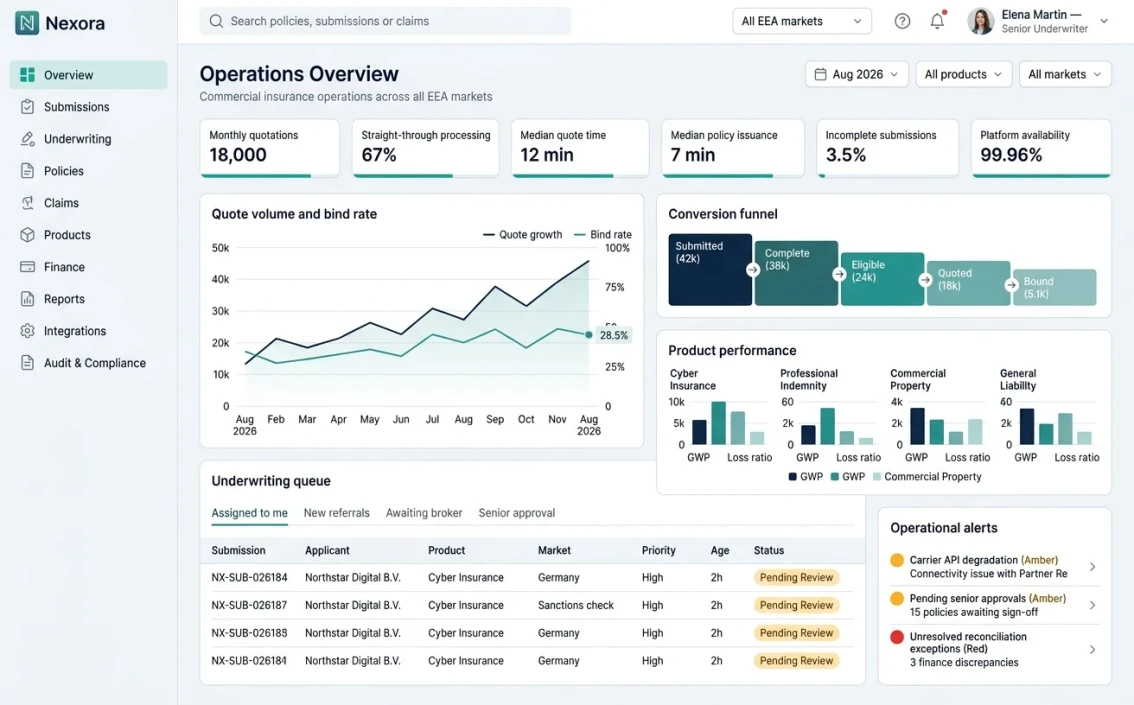
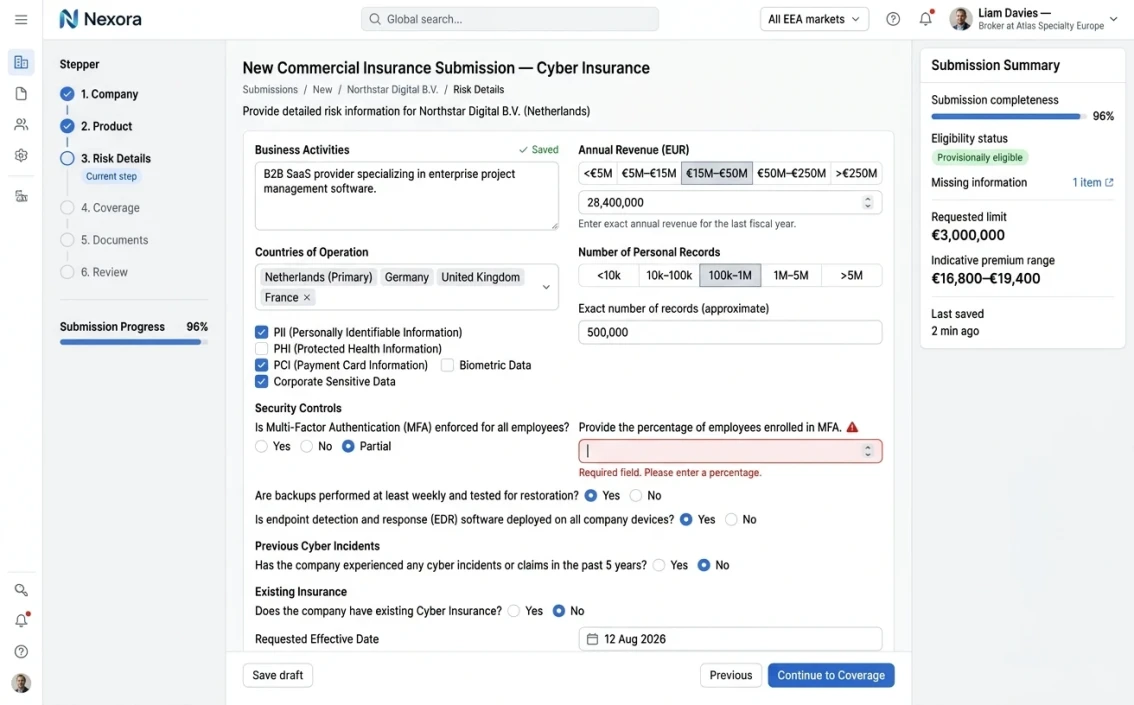
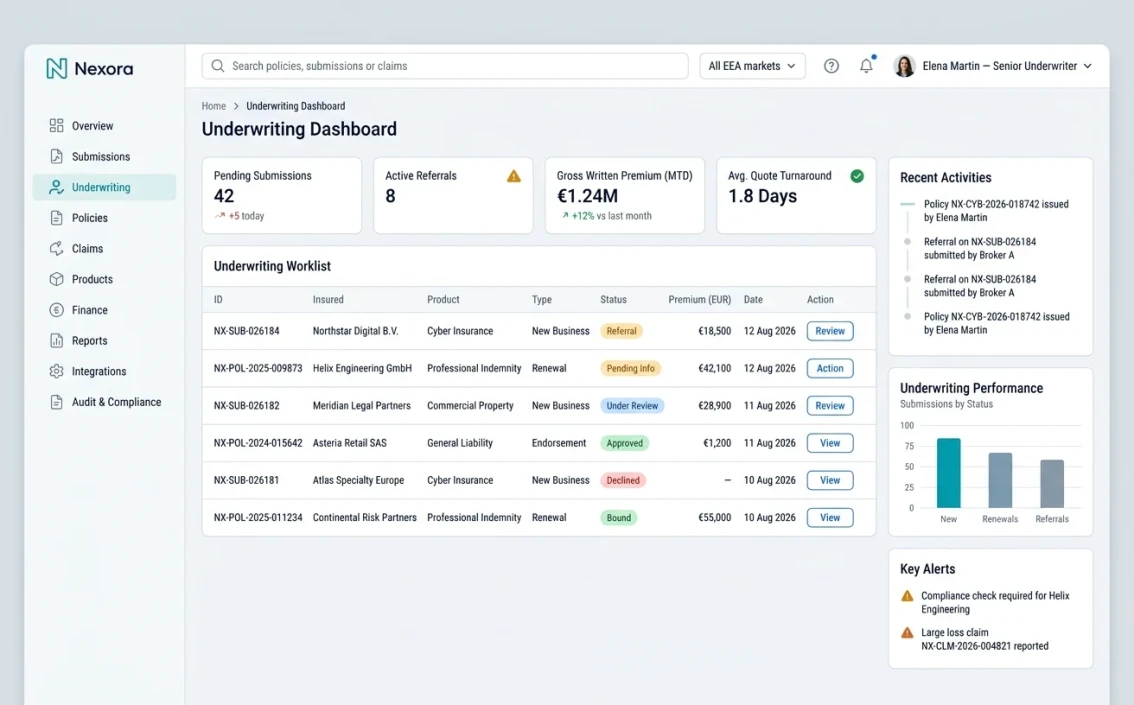
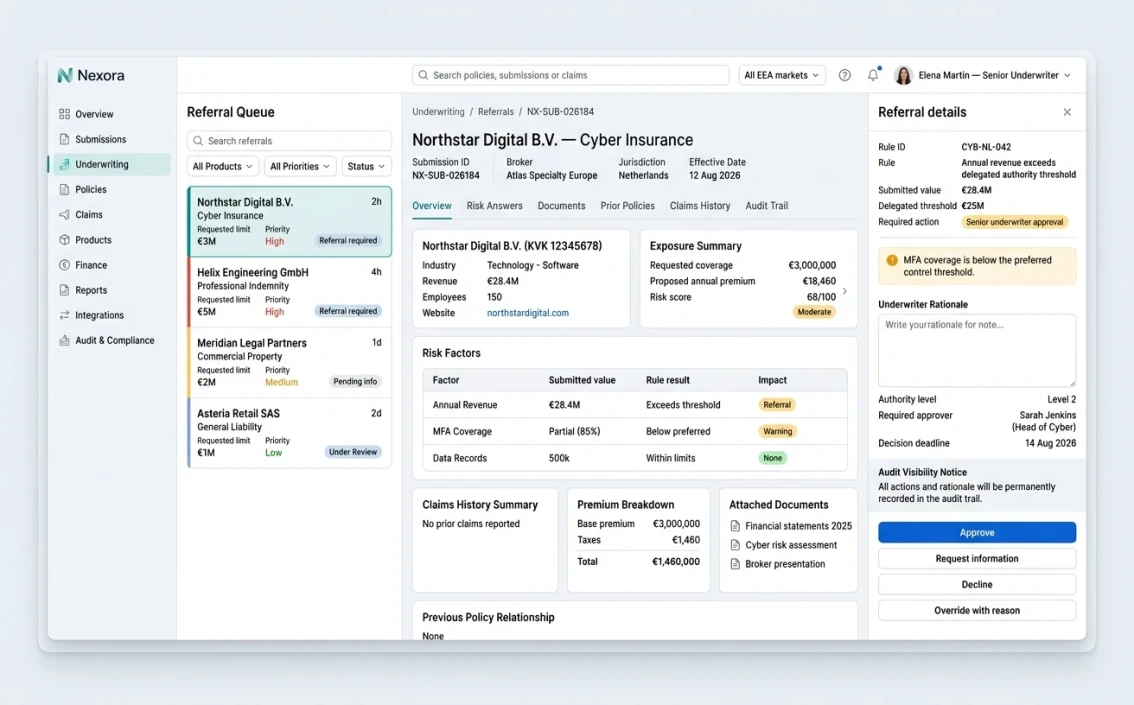
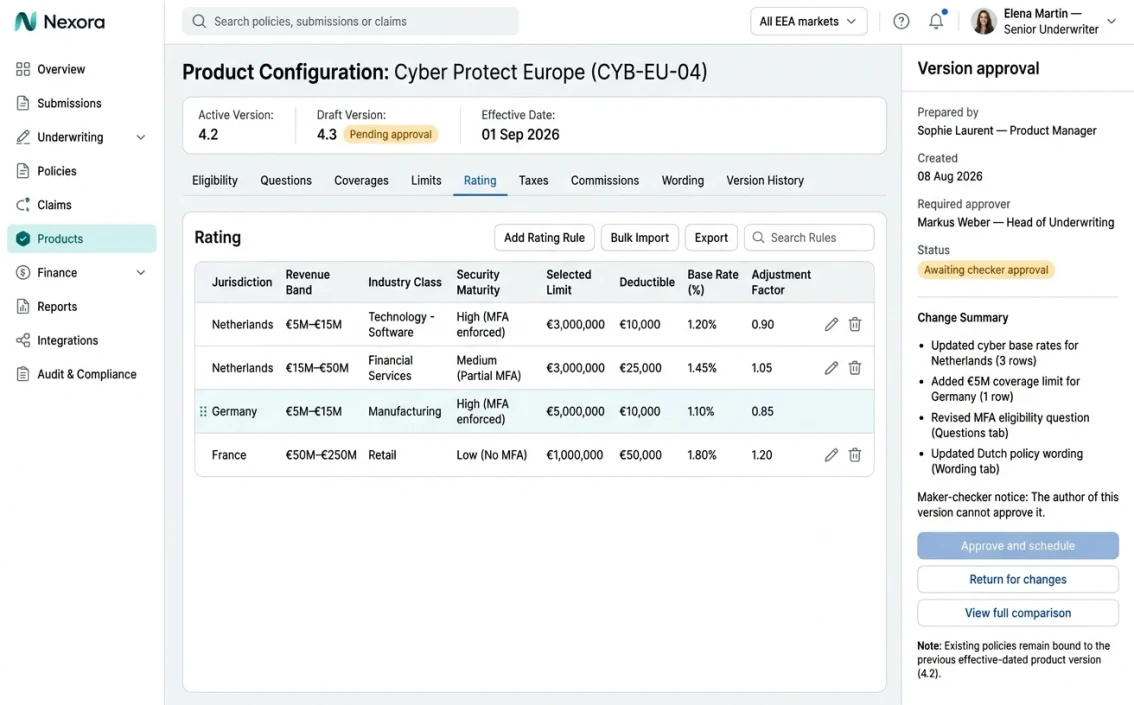
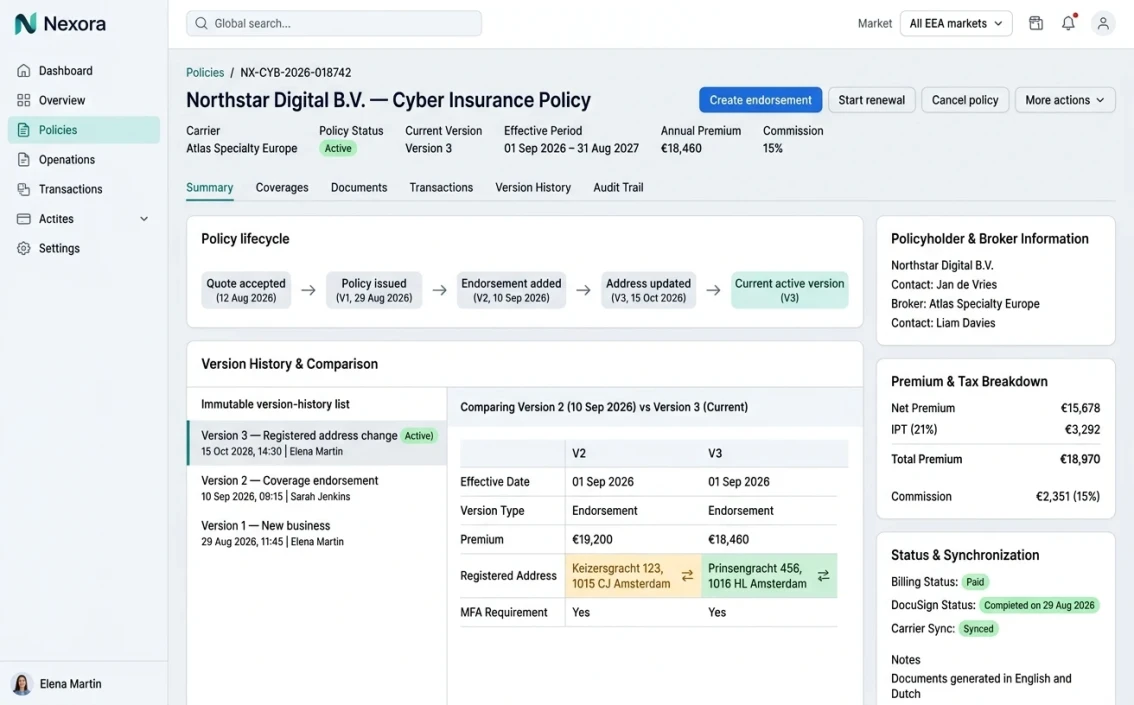
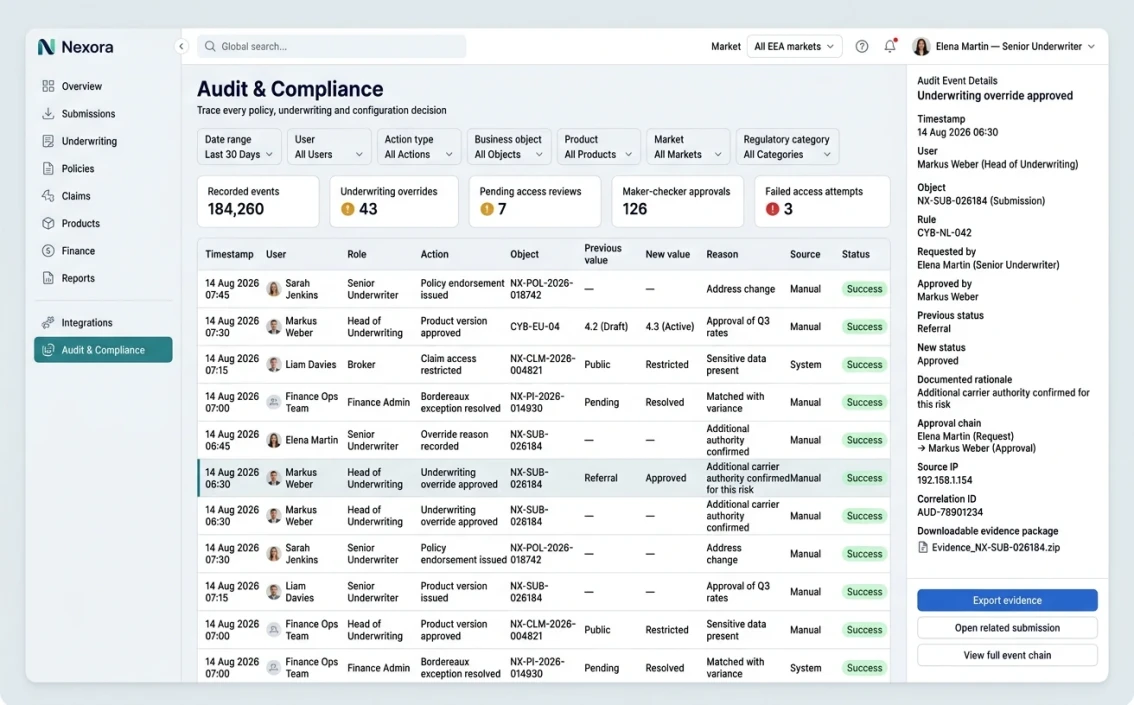
Four insurance product lines ran on spreadsheets, email and carrier portals until Nexora Insurance Platform, a single cloud platform, brought submission, underwriting, policy issuance and claims intake into one auditable workflow. Standard policies that once took up to a business day to issue now clear in minutes, and monthly quote volume has grown to 18,000 without a matching expansion of the operations team.
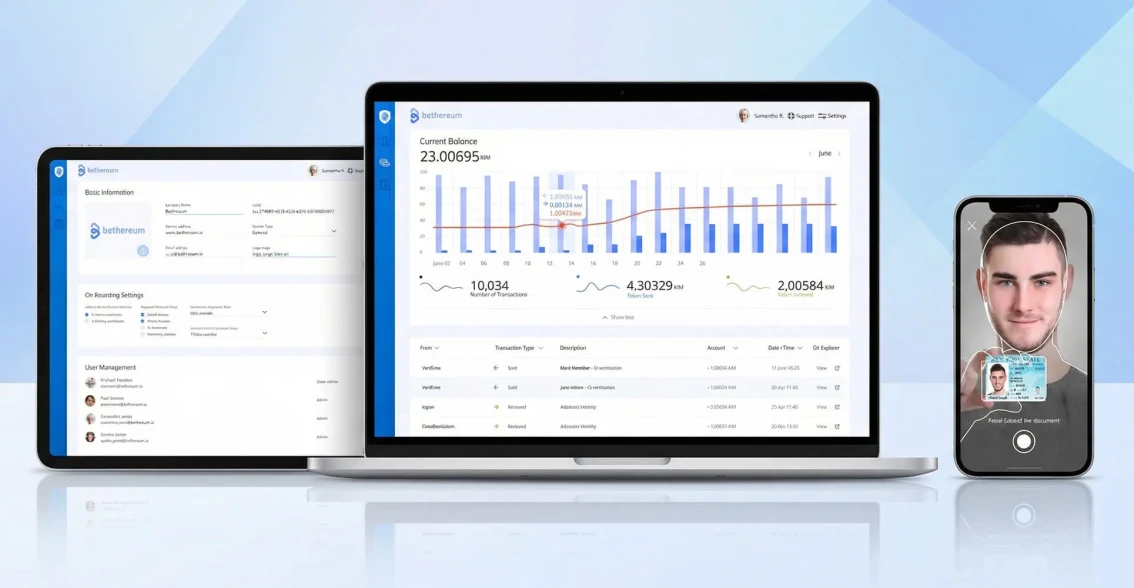
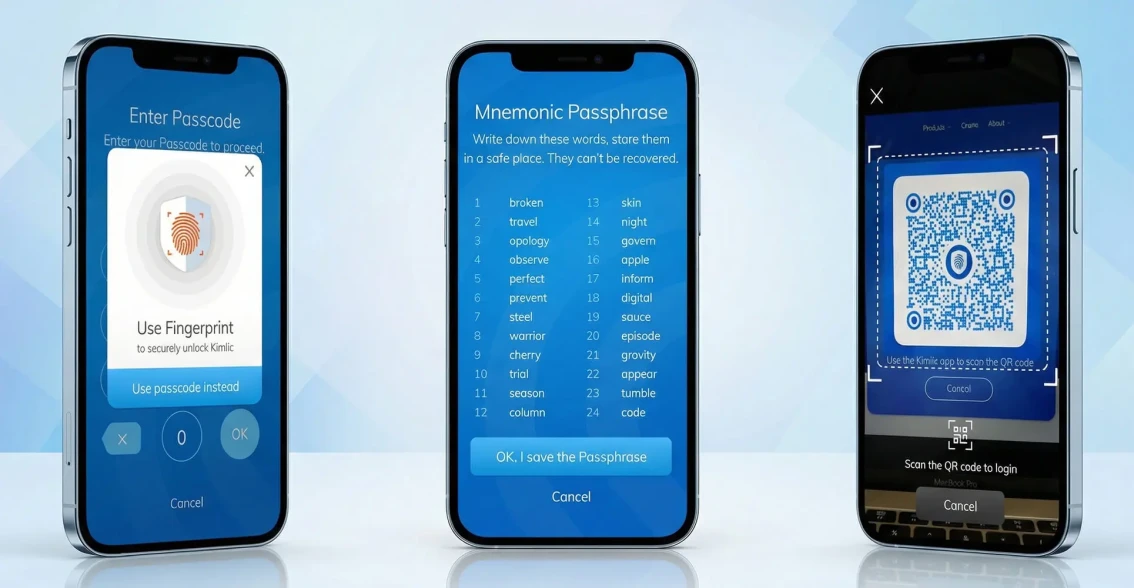
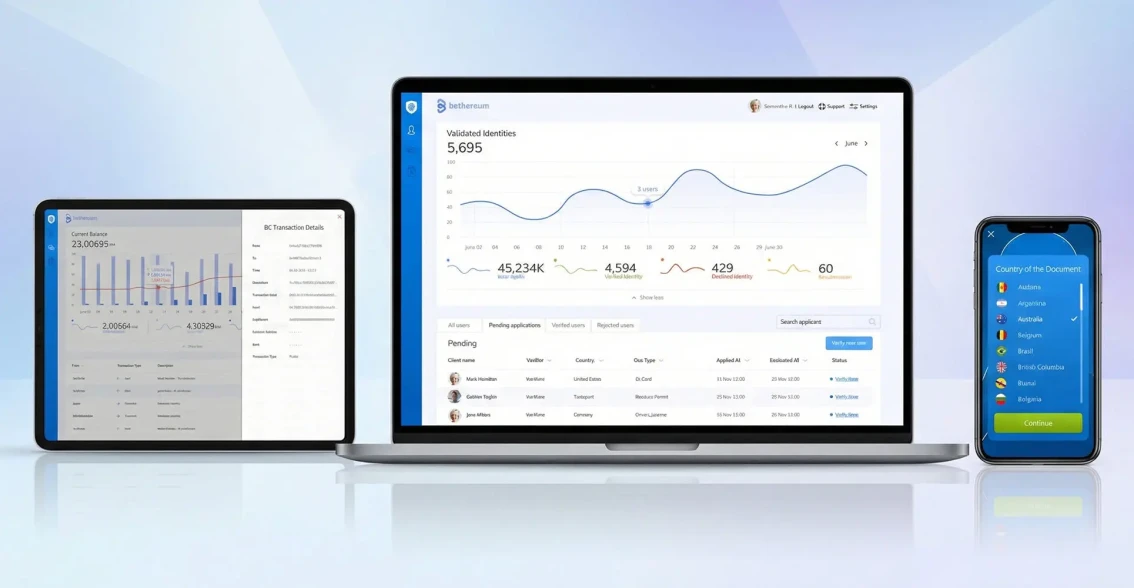
Pharos Production has partnered with Kimlic to develop a blockchain-based Know Your Customer (KYC) and digital identity platform. This platform ensures that user verification is secure, reusable and privacy-preserving across Web3 and FinTech ecosystems. Users can verify their identity once and then securely share proof with multiple services without exposing sensitive personal information. Built on cloud-native infrastructure and equipped with real-time data pipelines, Kimlic provides compliant identity verification at scale while allowing users to retain control over their data.

Founder and CTO Pharos Production
I design and build reliable software solutions - from lightweight apps to high-load distributed systems and blockchain platforms.
PhD in Artificial Intelligence, MSc in Computer Science (with honors), MSc in Electronics & Precision Mechanics.
13 years in architecture of great software solutions tailored to customer needs for startups and enterprises
23 years of practical enterprise customized software production experience
Lecturer at the National Kyiv Polytechnic University
Doctor of Philosophy in Artificial Intelligence
Master's degree in Computer Science, completed with excellence
Master's degree in Electronics and precision mechanics engineering
Lifted onboarding completion from 62 to 89 percent and scaled verification volume from 20k to 140k flows per month. Measured…
Reduced payment authorization p95 latency from 820ms to 180ms and cut KYC decision time from 45s to 4.2s. Measured against…
Automated KYC at 5,000+ verifications per day with 99.8% OCR accuracy
The Pharos Compliance-First Pipeline is our four-step delivery cycle for production FinTech software: Compliance Discovery, Threat and Fraud Modeling, Regulated Build and Audit and Production Hardening.
maps the regulatory perimeter before code: PCI-DSS scope, PSD2 SCA obligations, KYC/AML and sanctions-screening requirements, data-residency rules under GDPR or CCPA and licensing posture (sponsor bank, EMI, money transmitter, MiCA)
enumerates attack surfaces against the OWASP Top 10 and the financial-services taxonomy: card fraud, account takeover, synthetic identity, authorized push-payment fraud, internal abuse, sanctions evasion
ships the platform under PCI-DSS architectural rules with tokenisation to minimise cardholder-data scope, ledger-as-source-of-truth event sourcing, KYC and sanctions integrations (Sumsub, Onfido, Chainalysis, TRM Labs) and SOC 2 controls baked in from day one
coordinates external penetration test, SOC 2 readiness review with the client auditor, multi-region failover drill and 24/7 incident-response runbook tied to FFIEC examination guidance
The pipeline is named because moving real money is irreversible - we re-enter Compliance Discovery and Hardening on every new rail, jurisdiction or sponsor-bank partner across the engagement lifetime.
Pharos Verified Delivery applied to 110+ production applications since 2013
Anonymized before/after snapshots from production projects. Metrics measured against client-reported pre-engagement baselines.
Manual reconciliation of 12,000 daily transactions across 4 payment providers. 3 full-time analysts. 18-hour delay between transaction and matched status.
Automated reconciliation in under 2 minutes. Analysts reassigned to exceptions review. Zero unreconciled balances across 12 months in production.
We built a provider-agnostic reconciliation engine with a shared ledger format, deterministic matching rules and an exceptions queue for the 0.3% of transactions that need human review. The ledger became the system of record for all four providers.
Manual KYC review averaged 48 hours per applicant. 22% drop-off during the wait. Compliance team backed up.
Automated KYC pipeline with Sumsub integration, sanctions screening and risk-tier routing. 92% of applicants approved in under 5 minutes. Drop-off rate down to 7%. Compliance team handles only edge cases.
Low-risk applicants auto-approve on the spot; medium-risk go to a 15-minute enhanced review flow; high-risk and PEP matches hit the compliance queue. Every decision is auditable with a full document and rule trail for regulators.
Rules-based fraud detection caught 41% of fraud attempts. Each rule update required 2-3 weeks of engineering work. Fraud loss rate 0.8%.
Custom ML model trained on transaction patterns. Caught 87% of fraud attempts with 0.4% false positive rate (single card-not-present FinTech engagement, Q4 2024, US). Continuous retraining monthly. Fraud loss rate dropped to 0.12%.
Features derived from velocity, graph relationships and device fingerprints; a gradient boosting model serves predictions in sub-50ms at checkout. Hard rules still handle sanction lists and hard blocks; the ML tier handles grey-area scoring.
Client names anonymized under NDA. Full case studies at /cases/.
We decline roughly 30% of RFPs we receive. Forcing a bad fit costs both sides 3-6 months and damages outcomes. Here is how we think about scope:
Not every FinTech idea needs custom development. We have recommended Stripe over custom payment processors, Plaid over custom bank integrations and Persona over custom KYC. Custom FinTech is the right call when you need unique workflows, regulatory configurations or competitive differentiation that packaged products cannot provide.
Vendor evaluation guide covering compliance experience, payment processing depth, banking API integration, security architecture and red flags specific to financial software development.
Independent reviews from Clutch, GoodFirms and direct client testimonials - verified feedback on our software projects
Based on 342 verified reviews
Trusted by Coinbase, Consensys, Core Scientific, MicroStrategy, Gate.io and 10+ more Web3 and enterprise platforms
16+ partnersOur 16 technology partners include:
Recognized on Clutch, GoodFirms and The Manifest for software engineering excellence








65+ industry awards

Practice led by Dmytro Nasyrov
Founder and CTO
23+ years in custom software development. Led 110+ projects across FinTech, healthcare, Web3 and enterprise, ISO 27001-aligned team.

Technically reviewed by Olena Zaichenko, D.Sc.
FinTech and AI Scientist and Advisor
Professor, Department of Mathematical Methods of System Analysis, Institute for Applied System Analysis, Igor Sikorsky Kyiv Polytechnic Institute. Financial analyst at EPAM Systems from 2005 to 2019.
Reviewed for technical accuracy on August 19, 2026. Not an endorsement of any commercial claim on this page.
Pharos Production scopes engagements in three tiers, Proof of concept, MVP build and Enterprise platform, with typical budgets from $10,000 to $500,000+ depending on scope and complexity.
Focused validation of your riskiest technical assumption with a working spike and a clear build-or-pivot recommendation.
Production-ready first version with core flows, real backend and the integrations to onboard first paying users.
Full-scale build with architecture, DevOps, QA, security and long-term evolution.
Prices vary based on project scope, complexity, timeline and requirements. Hourly rates range from $50 to $99 depending on role and seniority. Contact us for a personalized estimate.
Need extra hands on your software project? Our developers can jump in at any stage - from architecture to auditing - and integrate seamlessly with your team to fill any technical gaps.
Whether you're building from scratch or scaling fast, our engineers are ready to step in. You stay in control, and we handle the code.
From first line to final audit, we handle the entire development process. We will deliver secure, production-ready software, while you can focus on your business.
| Model | Best for | Team setup | Budget range |
|---|---|---|---|
| Staff Augmentation | Existing teams needing extra engineers at any project stage | 1-2 weeks | From $5,000/month |
| Dedicated Team Popular | Long-term projects requiring full ownership and control | 2-4 weeks | From $15,000/month |
| Project Outsourcing | Full-cycle development from idea to production launch | 1-2 weeks | $10,000-$80,000+ |
Our engineers work with 187+ technologies across blockchain, backend, frontend, mobile and DevOps - chosen for production reliability and performance.
Our engineers work with 187+ technologies across 10 categories: Frameworks, AI, Blockchains, DevOps, Clouds, Databases, Brokers, Tests, Programming, UI/UX.





































































Our company starts and assembles an entire project specialists with the perfect blend of skills and experience to start the work.
We'll design, build and launch your MVP, ensuring it meets the core requirements of your software solution.
We'll create a complete software solution that is custom-made to meet your exact specifications.
Our company will be right there with you, keeping your software solution running smoothly, fixing issues and rolling out updates.

FinTech trends 2026 are moving from hype to production as blockchain payments, tokenized assets and smart contract automation reshape real-world finance. This guide from Dmytro Nasyrov, CTO at Pharos Production, explains how stablecoins, real-time settlement and embedded compliance improve UX, risk controls and reporting across banking and payments platforms. Learn where AI and data pipelines create measurable gains in cost, speed and governance and what to build next.

AI in FinTech applications for 2026. Fraud detection, credit scoring, robo-advisors and compliance automation with implementation costs and regulatory guidance.

What embedded finance is and how to build it in 2026 - architecture, embedded finance vs banking as a service, payments, lending and insurance use cases and a real build roadmap.

Payment gateway integration cost in 2026: third-party, orchestration and custom gateway pricing, PCI DSS scope, timelines and how to choose the right path.

How to build a neobank in 2026 - the licensing models (BaaS, EMI, bank charter), the core banking tech stack and real cost and timeline ranges from MVP to a licensed bank.

AI agents that read messages, call tools and move money create a new fraud surface. A taxonomy of the attack patterns emerging against agent workflows, prompt injection, deepfake-assisted social engineering, memory poisoning, tool abuse, with the defenses that work, grounded in Gartner's 2025-2026 incidence data.

How to build a neobank that settles on stablecoin rails: the reference architecture layer by layer, industry build-cost estimates from lean MVP to licensed bank with realistic timelines and the licensing paths that keep the product compliant under MiCA and the GENIUS Act.

What compliance actually adds to a FinTech or Web3 MVP build, with quantified multipliers for PCI DSS, KYC/AML, MiCA and SOC 2, and how to budget a regulated MVP without retrofitting compliance after launch.

Omnibus vs segregated crypto wallets is an architecture decision with a statutory edge: MiCA Article 75(7) limb one requires that on the distributed ledger, clients' crypto-assets are held separately from the CASP's own. This article reads that sentence closely, shows where per-client granularity actually lives, walks the cost of each branch on UTXO and account-model chains and treats reconciliation between the on-ledger position and the Article 75(2) register as the evidence artefact a supervisor will ask for.

A CASP wind down plan is required by MiCA Article 74 and defined by almost nothing else in the act: no paragraph numbering, no recital, no technical standard, no filing duty and no deadline. What MiCA does supply is two conflicting destinations for client assets, a transfer to a successor provider under Article 64(8) and a return to the client under Article 75(6), and it never says which one runs. This article walks the wind-down in execution order, from the duties that have to be standing before any exit decision through trigger, freeze, client instruction, execution, sub-custody unwind and register closeout, and it is honest about the three different timing formulas MiCA writes for cessation, none of which is a number.

The EPC's 15 November 2026 inter-PSP settlement date and Swift's 14 November 2026 SR 2026 go-live are two different events on one cutover weekend. This walks an address population through seven gates, from scope to the inter-PSP double rejection duty, and states at each gate which records die and what the remedy is.

Verification of Payee is two jobs in one build, and the scheme treats them very differently. The requesting side is a specified round trip with a five second envelope and a discard rule. The responding side is a specified message shape wrapped around a decision the scheme declines to make, in a guidance document that says it is not part of the Rulebook and that the responder is free to ignore. This walks the message lifecycle position by position, states each one twice and closes each one on the contract both sides owe.

Article 5d did not ban sanctions screening on the instant rail. It moved the object of the screening from the transaction to the customer base, prohibited one specific check in one specific window between two specific parties and carved out three categories expressly. This walks the pre-2025 screening stack component by component and states, for each one, what replaces it and which control it was carrying.

An EMI or PI CTO has to prove on any business day that customer balances in the ledger equal the safeguarding accounts. No EU instrument in force names how often that comparison runs. This walks the invariants that do exist, the way each one breaks and the control that catches the break, ordered by how fast the control fires.
Type to filter questions and answers. Use Topic to narrow the list.
Showing all 10
No matches
Try a different keyword, change the topic or clear filters
No. Pharos Production builds the software; the client (or a sponsor bank partner) holds the regulatory license. We are happy to integrate with your sponsor bank or BaaS provider (Synapse, Treasury Prime, Increase, Column, Bond) and design the compliance program with your legal counsel, but we do not hold money transmitter, banking or broker-dealer licenses ourselves.
A production payments MVP typically takes 4-6 months: 2-4 weeks discovery and compliance review, 8-12 weeks build (KYC, ledger, payment rails, dispute handling, reporting), 4-8 weeks integration testing with your sponsor bank or processor and regulator-aware UAT. Pharos has shipped 15+ FinTech systems handling real money since 2018.
Pharos infrastructure is PCI DSS architected, SOC 2 controls in place and aligned with ISO 27001, with GDPR processing roles documented. We minimize PCI scope using tokenization (Stripe, Spreedly) wherever possible and design data flows so cardholder data never enters client logs or backups. We document data flow diagrams, retention rules and incident response plans for your auditor. See our State of FinTech Compliance Cost 2026 for detailed cost breakdown across regulatory frameworks.
Use packaged services when they fit your model: Stripe for card-present and SaaS billing, Plaid for bank linking, Persona/Sumsub for KYC. Build custom when you need: direct sponsor-bank pricing at scale, jurisdictional compliance (PSD2, FFIEC, MiCA), proprietary risk models, multi-rail orchestration (cards + ACH + crypto + wire) or unit economics that vendor markups make impossible.
Yes. We integrate with FIS, Fiserv, Jack Henry, nCino, Mambu and modern core banking platforms (Thought Machine, 10x Banking) via SOAP, REST and event-driven middleware.
We build the abstraction layer so your product code stays decoupled from the core, which means your core upgrade does not break your customer-facing app.
For crypto fiat rails we integrate KYC/AML providers (Sumsub, Onfido, Persona, Jumio) for identity verification, Chainalysis or TRM Labs for blockchain analytics and design the off-ramp/on-ramp flows around the client's licensed sponsor or money transmitter. Compliance program design is the client's responsibility; we build the software to enforce it.
Backend: Elixir/Phoenix and Java/Spring for high-throughput payment paths; Node.js or Python for orchestration. Storage: PostgreSQL for ledger, Kafka for event sourcing, ClickHouse for analytics. Cloud: AWS with VPC isolation, KMS for key management, CloudHSM for PCI-scoped operations. Frontend: React/Next.js with strict design tokens. Observability: Datadog or Grafana stack with PII redaction.
We decline when: payment processing could be solved by a Stripe/Adyen integration alone; lending products lack legal counsel on usury and disclosure rules; crypto products lack jurisdictional analysis from qualified counsel; or the team has no plan to operate the compliance program post-launch. Forcing a regulated build without these foundations costs everyone time and reputation.
Jurisdiction is a product decision, not a legal afterthought. Common patterns: EU passporting via Lithuania or Ireland for EMI/PI licenses; UK FCA for retail-facing payments and lending; Singapore MAS for APAC reach with PSP/MPI license; US state-by-state MSB plus federal layer for crypto.
We start by mapping your customer geography, transaction profile and capital plan, then work with your counsel to pick a primary plus expansion path. Wrong jurisdiction picks add 6-12 months to timeline and force re-architecture of KYC, sanctions screening and reporting flows.
A ledger is append-only, immutable and timestamped. A relational ledger built on PostgreSQL or a purpose-built event store gives you reproducible balance reconstruction at any point in time, audit trails that cannot be silently mutated and direct alignment with PCAOB and SOC 2 audit evidence requirements. We use double-entry semantics with explicit debit and credit legs, idempotency keys on every posting and async projection into denormalized read models. This pattern survives regulator review better than a mutable balances table that lost write history.
Payment standards, banking regulations and compliance frameworks referenced throughout this FinTech guide.
Published record
Technical articles, comparison guides and methodology deep-dives we write from our own delivery experience.
Estimate dev cost, compliance cost, Year-1 TCO and time-to-launch for FinTech projects spanning payments, banking-core, lending, RegTech, insurance, digital-assets trading, FX treasury and wallet apps. Directional only.
Last reviewed . Compliance ranges reflect PCI Security Standards Council, AICPA SOC 2 cost surveys, McKinsey FinTech operations report and public pricing posts from Sumsub, Chainalysis and TRM Labs. See disclaimer below.
Achieve them with minimized risk through our bespoke innovation capabilities
Contact us today to discuss your project. We're ready to review your request promptly and guide you on the best next steps for collaboration
Same dayWe're committed to keeping your information confidential, so we'll sign a Non-Disclosure Agreement
1 dayAfter we chat about your goals and needs, we'll craft a comprehensive proposal detailing the project scope, team, timeline and budget
3-5 daysLet's connect on Google Meet to go through the proposal and confirm all the details together!
1-2 daysAs soon as the contract is signed, our dedicated team will jump into action on your project!
Same dayHeadquarters in Las Vegas, Nevada. Engineering office in Kyiv, Ukraine.
We also work with clients through dedicated local teams in Las Vegas, New York and San Francisco.
Thanks for the request!
We typically reply within 24 hours