Skip to content

Web3 engineering

Best Blockchain Development Company Blockchain Development Services and Blockchain Technologies Best Blockchain App Development Company

Pharos Production builds on-chain products for product teams and enterprises, from protocol design through deployment.

Bring a new protocol or an existing product that needs contract engineering and supporting infrastructure. The agreed handover includes code, reproducible tests, architecture decisions and an operating runbook. We define scope and release checks before implementation.

  • 4 Projects documented below
  • Code + tests Agreed handover
  • 108 Clutch reviews
5.0/5 · 108 reviews 4.9/5 · 147 reviews 5.0/5 · 27 reviews

282 published client reviews across 3 platforms. Counts are summed; reviewers may appear in more than one source.

Profiles checked . Glassdoor: 46 employee reviews, 5.0/5, reported separately.

Send your project brief

Tell us what you need to build and the constraints we should know.

Your contact details
Please enter your name
Please enter a valid email address
Please enter your message

We use your details only to reply to your request. Data Privacy and Legal Notice

We typically reply within 24 hours

When a blockchain solution fits your business needs

A shared ledger makes sense when independent parties need to verify the same transactions without relying on one operator. If one organization controls all records and approvals, a conventional database may deliver the same result with less operational work.

We connect on-chain rules to account access, payments, reporting and administrative tools. Discovery establishes which records need public verification, which data must stay off-chain and who can authorize changes.

The sources below cover adoption and regulation. They provide context for discovery; the choice of technology still depends on your transaction flows.

Sources on the global blockchain market and regulation

  • MarketsandMarkets Global blockchain technology market size, segmentation by application, region and end-use industry
  • Chainalysis 2024 Crypto Crime mid-year update tracks illicit transaction volumes, sanctions exposure and stolen-funds flow
  • a16z crypto State of Crypto report tracks active addresses, on-chain throughput, builder activity and consumer adoption metrics
  • US Securities and Exchange Commission The March 2026 interpretation addresses federal securities laws for digital assets and related transactions
  • European Council MiCA regulation establishes EU-wide framework for crypto-asset issuance, stablecoin reserves and service-provider licensing

Our blockchain development services

Our scope can cover protocol components, integrations, DeFi flows and user-facing applications. We agree on the contract, backend and interface responsibilities before estimating the work.

  • Our custom blockchain development services

    We build chain-level components, token rules and application backends around your transaction requirements. The specification records the consensus and deployment choices, the reasons for them and who will operate the system.

  • Cross-chain development and blockchain integration

    Connect your product to the wider blockchain ecosystem through RPC access, event indexing and transaction tracking. To integrate blockchain into an existing application, we define when transactions are final, how retries work and what happens if a provider or bridge goes offline.

  • DeFi development

    We build lending flows, exchanges and liquidity mechanisms, then test how their economic rules behave under stress. The threat model covers faulty oracle prices, liquidations and privileged actions alongside code defects.

  • Web3 engineering

    As a web3 development company, we add token-gated access, identity and governance to existing products. Signing requests explain what users are approving and what it costs. Failed or pending transactions have a defined recovery path.

  • Our blockchain application development services

    Our blockchain app development services

    Develop blockchain apps and dapps

    Our dapp development work connects the interface to signing flows, indexed data and backend services. Each custom blockchain app is tested for rejected signatures, chain changes and delayed confirmations. We check how dapps recover from those interruptions as well as how they work when transactions succeed.

Our smart contract development services and audits

We combine implementation with risk review: define invariants, test permitted operations, inspect findings and verify fixes before release. Qualified counsel determines legal classification and licensing requirements; technical checks do not replace that advice.

  • Contract engineering

    We implement token standards, access control and protocol modules in Solidity, Vyper or Rust as the chain requires. For a smart contract, release checks cover authorization, edge cases and unexpected inputs. Reproducible tests accompany the release.

  • Our blockchain architecture for smart contract systems

    Who can change the rules after launch? Building secure blockchain systems starts with that question. We document administrator powers and emergency actions, then define module boundaries and trusted dependencies before implementation.

  • Smart contract auditing and verification

    Automated analysis covers repeatable checks; manual inspection examines how the pieces interact. Findings include reproduction steps and remediation guidance, with severity tied to the potential impact. A follow-up review checks the fixes. Independent external review is planned separately when required.

  • Upgradeable contracts and safe migration

    Immutable and upgradeable designs need different release plans. Proxy-based systems require storage compatibility tests and a documented approval procedure. We rehearse the migration and the response to unexpected behavior in the new implementation.

Pharos Production - Review your code before launch. Tell us what you are building and where you need engineering or review support. Discuss your scope.

Engineering for digital asset products

Custody choices affect the entire product: signing, recovery, support and transaction approval. We agree on that model before connecting balances, trading flows or token issuance.

Our crypto wallet development services

A wallet interface should show the destination, selected network and expected fee before users sign. We build the mobile or web experience around your custody model, including seed handling and recovery where applicable. Institutional flows can add approval controls and SDK integrations.

Cryptocurrency exchange development

Build exchange components around the required operating model: matching, liquidity aggregation, account controls and monitoring.

KYC/AML provider connections and fiat rails are scoped with their dependencies and failure handling. Legal classification and licensing decisions remain with qualified counsel.

Our blockchain development solutions vs a no-code blockchain platform

A no-code platform can be useful for validating a standard flow. A bespoke build is worth considering when the product depends on unusual transaction rules, detailed permissions or operating controls that a template cannot express.

Read the service terms as closely as the feature list. Ask who owns the code and who can upgrade it. If support for a chain ends, can you migrate the product and its data? Permissions and dependencies need review whichever route you choose.

Swipe or scroll horizontally to compare.

Implementation choices and ownership
CriterionBespoke implementationNo-code option
Business rulesDesigned around an agreed specification and explicit invariants.Constrained by the template and available extension points.
ReviewTesting and audit scope can follow the product-specific threat model.Review must cover the template, configuration and external dependencies.
OperationsMonitoring and incident procedures can match your operating model.Support and recovery depend on the vendor agreement.
OwnershipRepository access and handover are agreed in the engagement scope.Check export rights, hosting dependencies and migration options.

Pharos at a glance

Pharos Production is a software engineering firm serving product teams worldwide. Review our working languages, network experience and release deliverables below. We agree scope boundaries before preparing a proposal.

Your blockchain development company in usa

Our headquarters is in Las Vegas, Nevada, with an engineering office in Kyiv, Ukraine. Contact the team to agree working hours and technical ownership. Contact details

Languages and tools
Solidity, Vyper and Rust; Foundry, Hardhat, Slither, Mythril and OpenZeppelin components.
Chain experience
Ethereum and EVM networks including Polygon, Arbitrum, Optimism, Base, BSC and Avalanche, alongside Solana and TON.
Release artifacts
Architecture decisions, tests and review findings, deployment instructions and an operating runbook.
Scope boundaries
Token launches require legal review. External audit scheduling and post-launch support are explicit parts of the estimate.

Pharos Production - See how we could work together. Share your priorities and the experience you need for the work ahead. Talk to Pharos.

Our blockchain development expertise in production

Transaction updates, reputation data and compliance review place different demands on a system. The projects below show how we connected on-chain features to those wider operating requirements.

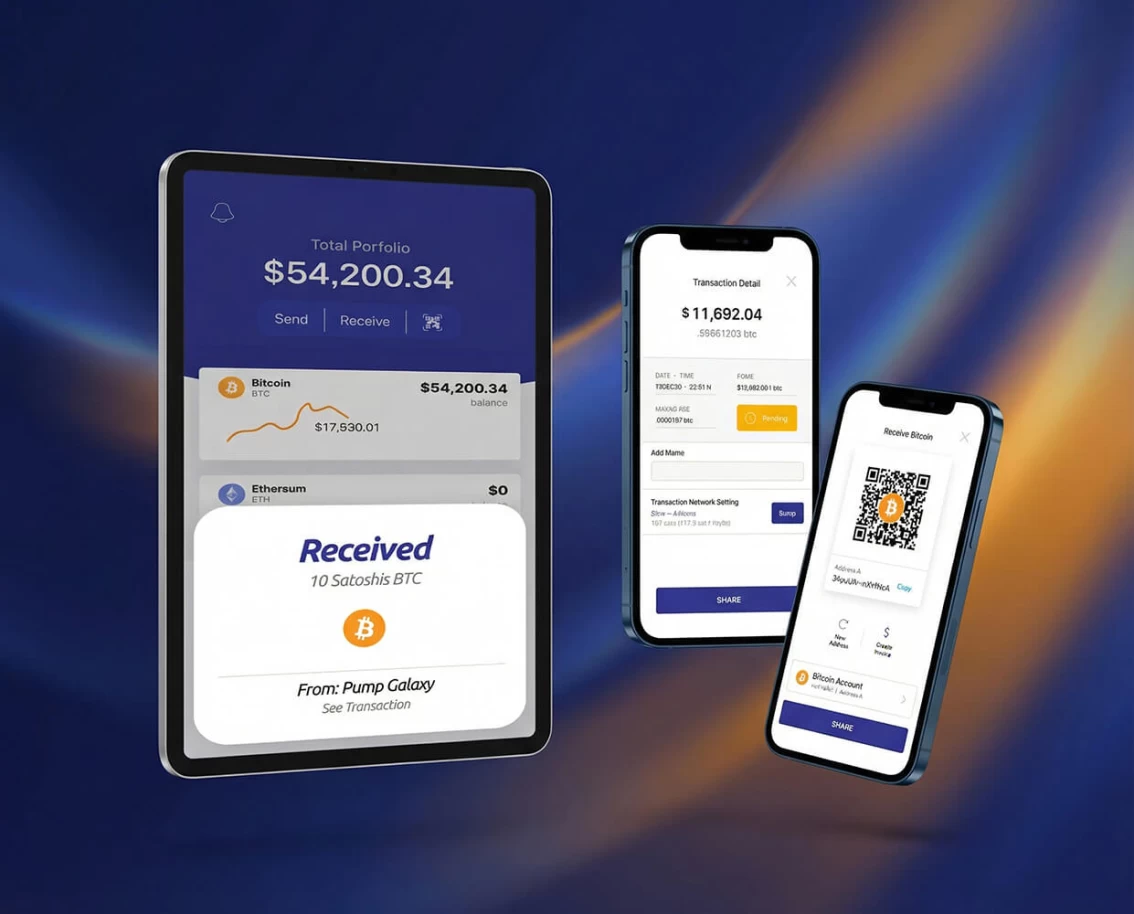
  • PumpTap crypto wallet multi-chain asset dashboard
    PumpTap - application interface, screen 2
    PumpTap - application interface, screen 3
    Web3 & Blockchain

    PumpTap

    A multi-chain product for storing, sending and managing assets. Its event-driven backend provides transaction updates and connects to decentralized applications. The documented stack includes AWS, Kubernetes, Kafka, Flink, Cassandra, Pinot and Redis.

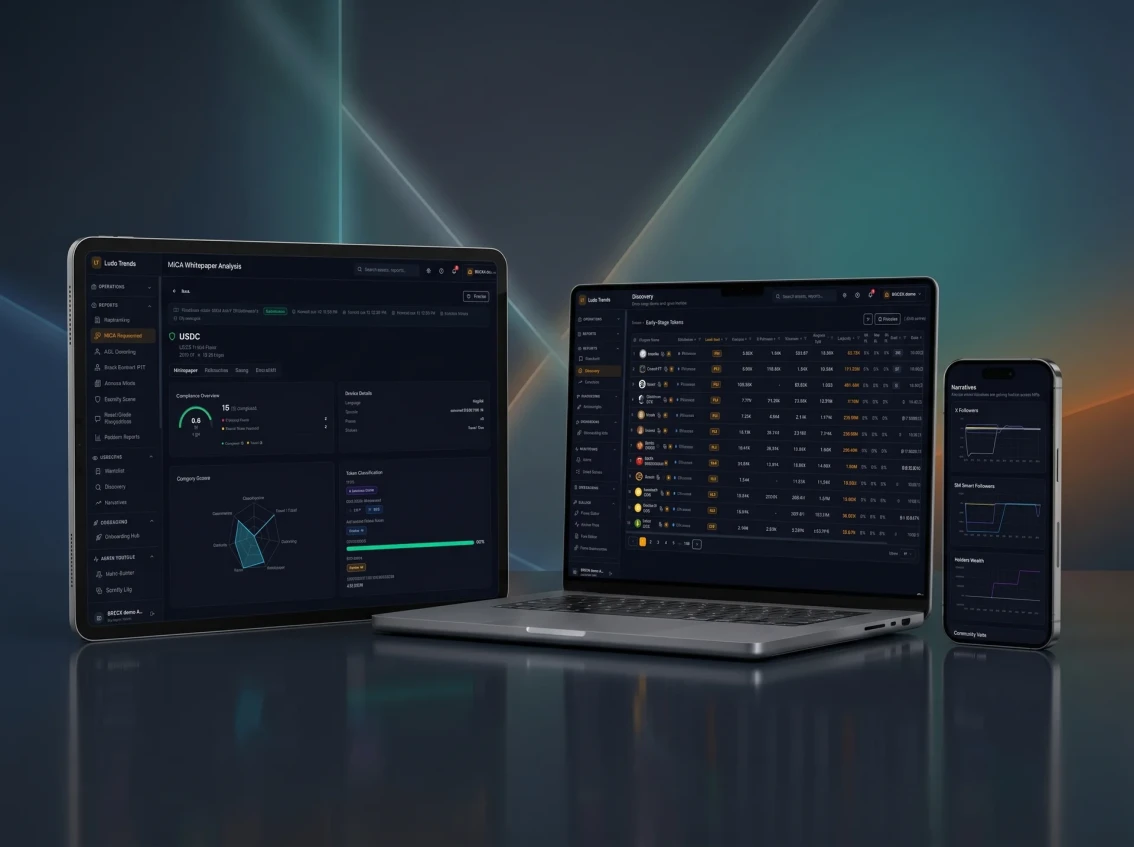
  • Ludo soulbound NFT reputation profile showing on-chain trust metrics
    Ludo reputation scoring interface with cross-chain blockchain data visualization
    Ludo Web3 reputation platform dashboard showing wallet trust scores and activity feed
    Web3 & Blockchain

    Ludo. Reputation platform of Web3

    A cross-chain reputation platform that processes on-chain activity into soulbound NFT-based scores. Web, browser and Telegram interfaces expose that data to users and builders, with APIs for reputation checks.

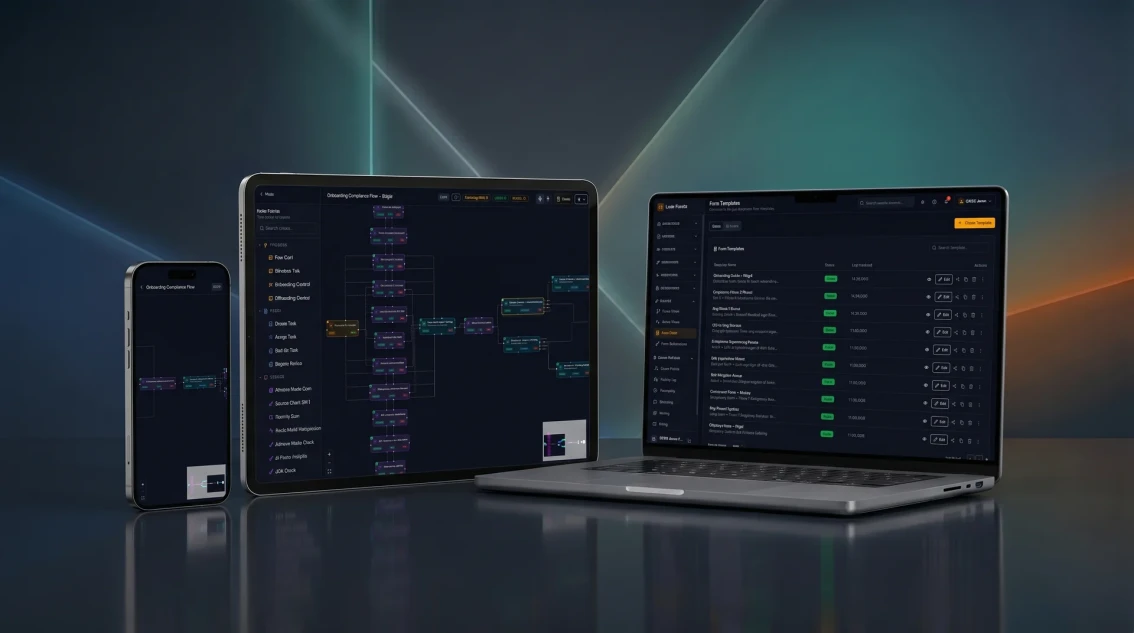
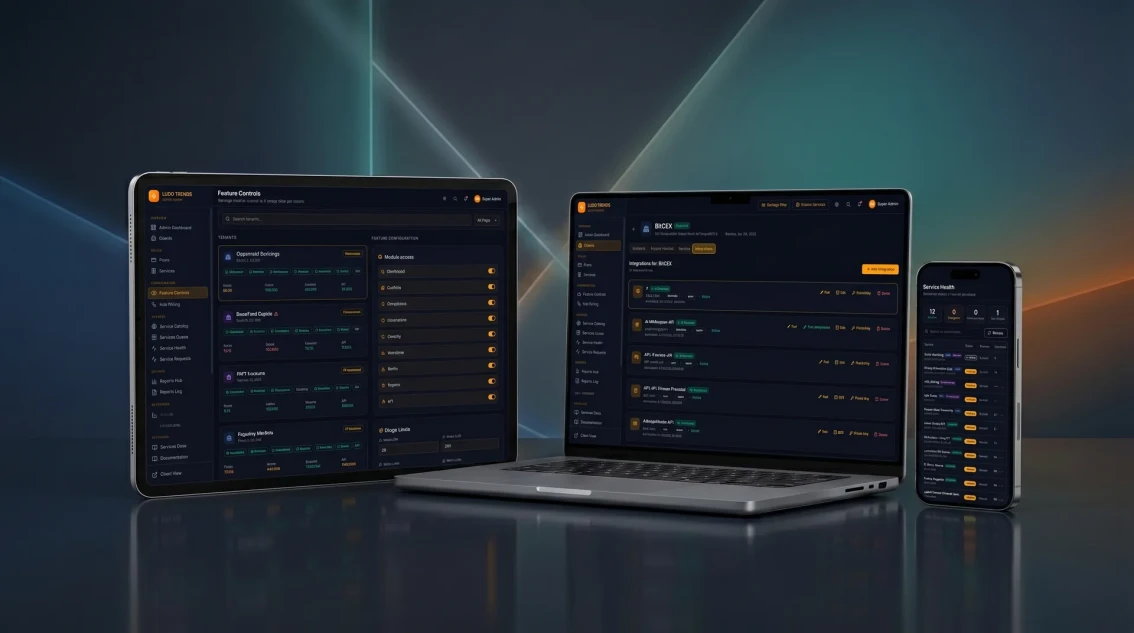
  • Ludera.io MiCA compliance dashboard showing asset risk scoring, on tablet, laptop and phone
    Ludera.io compliance workflow builder and case management registry, on tablet, laptop and phone
    Ludera.io continuous MiCA compliance monitoring with case and incident lists, on tablet, laptop and phone
    Web3 & Blockchain

    Ludera.io: Compliance Orchestration for Crypto Exchanges

    The application combines provider checks and AI-assisted document review with configurable risk scoring for exchanges. Human approval and recurring asset oversight keep review evidence connected to listing decisions.

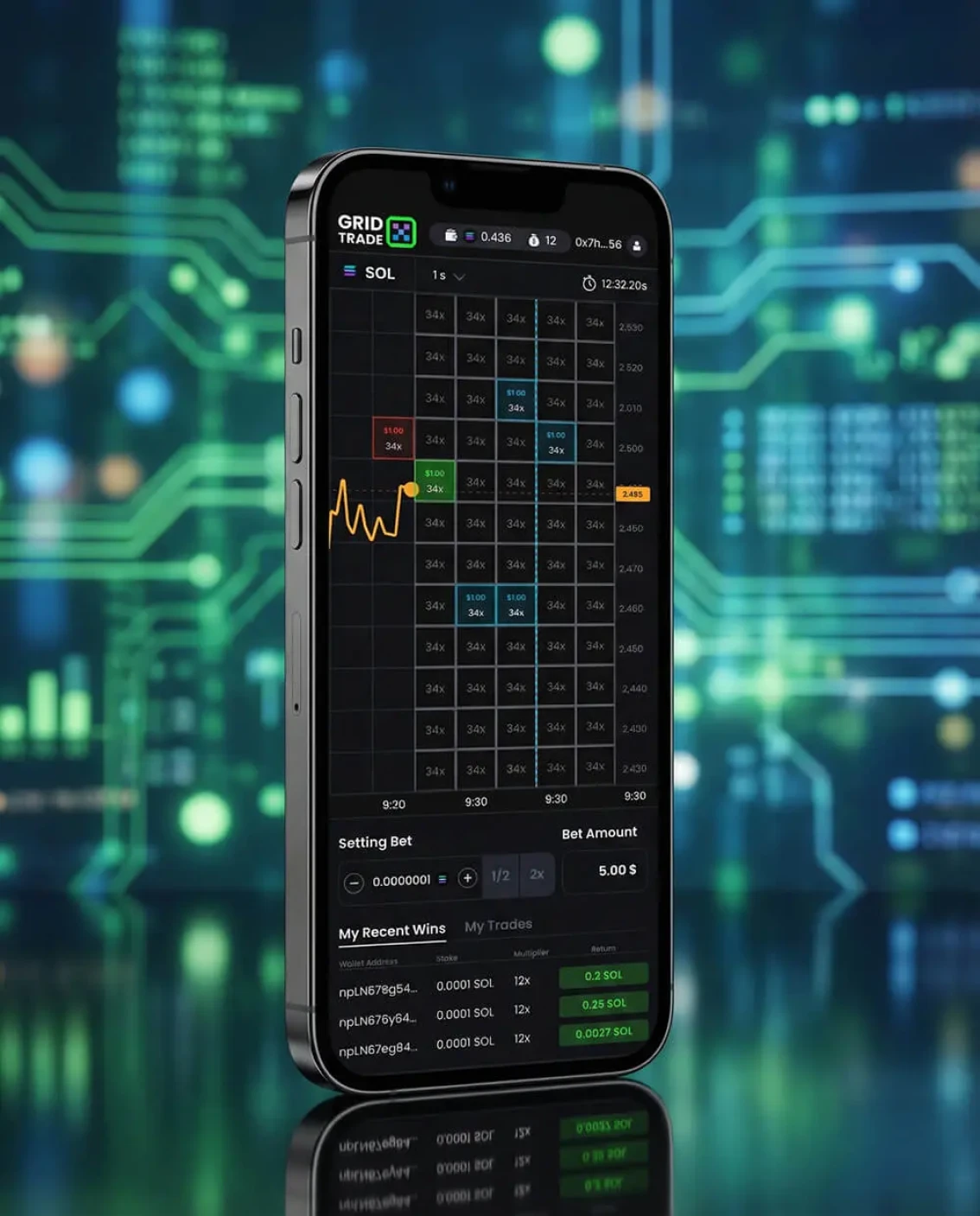
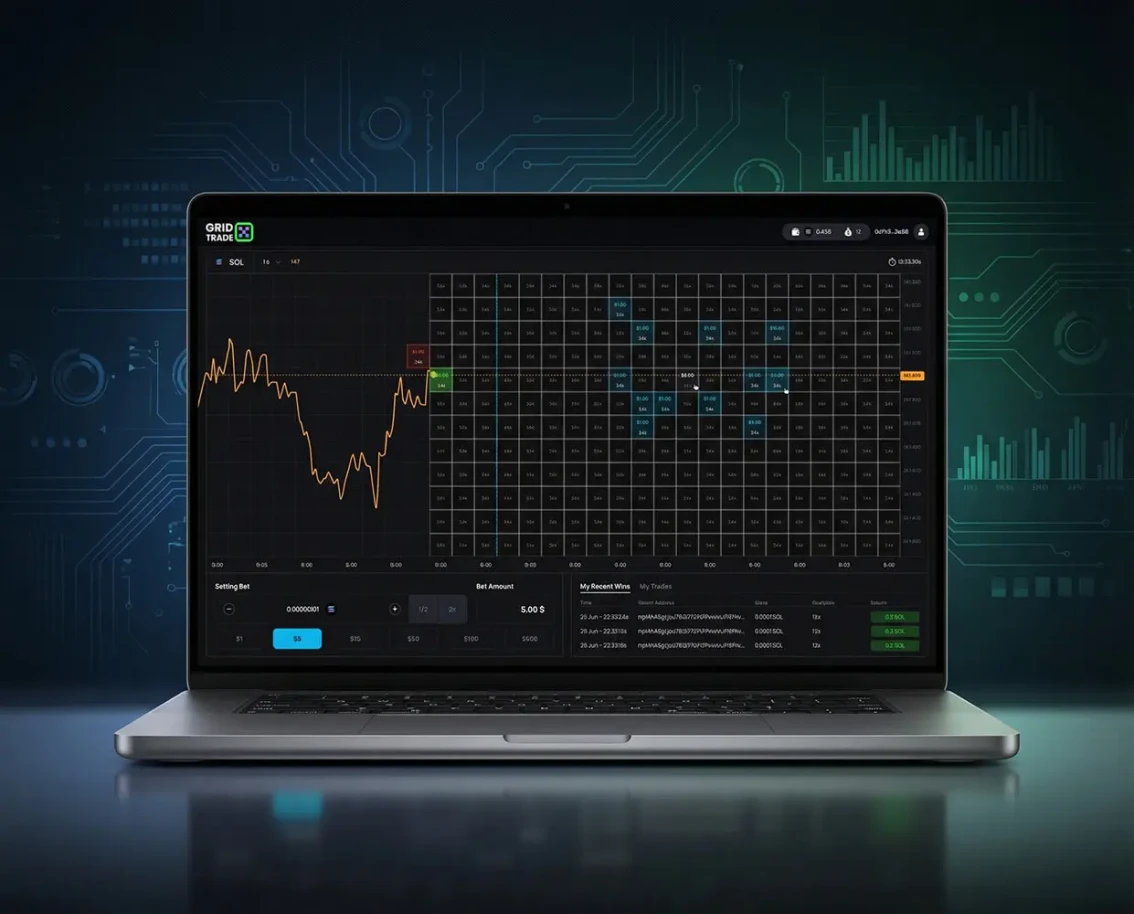
  • GridTradeX. Crypto Prediction Game. - application interface, screen 1
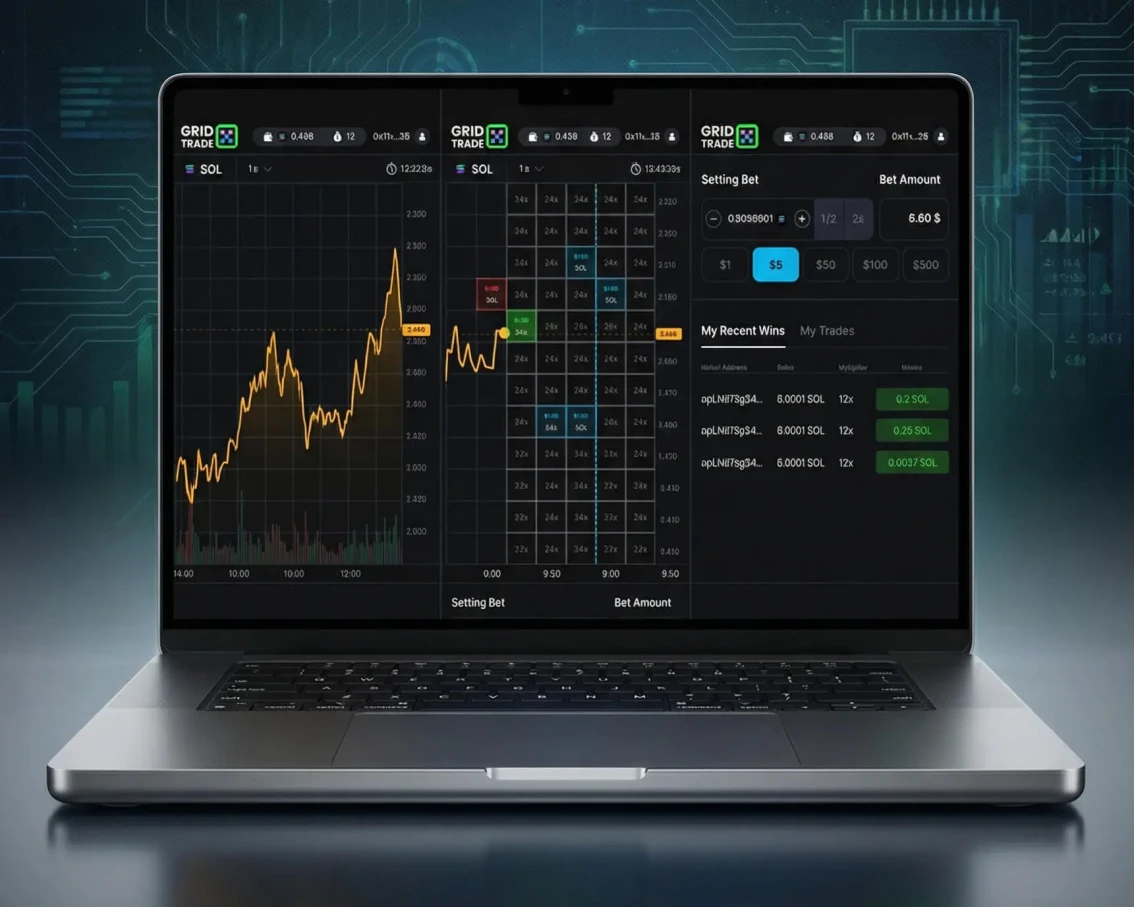
    GridTradeX. Crypto Prediction Game. - application interface, screen 2
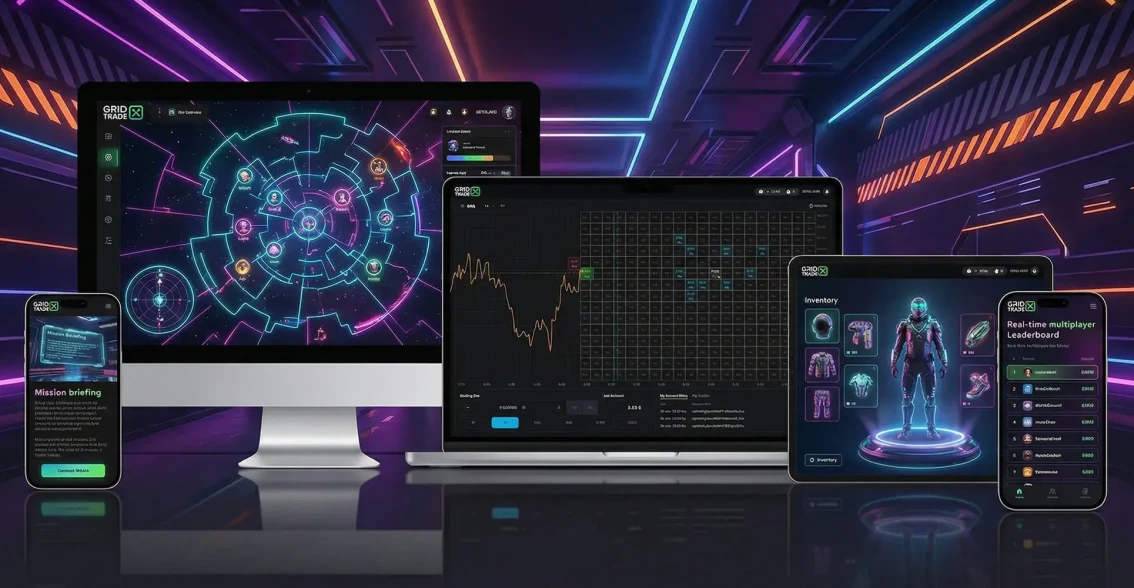
    GridTradeX. Crypto Prediction Game. - application interface, screen 3
    GridTradeX. Crypto Prediction Game. - application interface, screen 4
    GridTradeX. Crypto Prediction Game. - application interface, screen 5
    Web3 & Blockchain

    GridTradeX. Crypto Prediction Game.

    A crypto prediction game combining price-based rounds with on-chain transparency. The build uses AWS, Kubernetes, Kafka and Flink to support the event flow around trading data and game interactions.

About the founder and CTO

Dmytro Nasyrov

Dmytro Nasyrov

Founder and CTO Pharos Production

Ask the founder a question
  • 13 years in architecture of great software solutions tailored to customer needs for startups and enterprises

  • 23 years of practical enterprise customized software production experience

  • Lecturer at the National Kyiv Polytechnic University

  • Doctor of Philosophy in Artificial Intelligence

  • Master's degree in Computer Science, completed with excellence

  • Master's degree in Electronics and precision mechanics engineering

Pharos Production - Discuss the technical decisions. Bring your architecture questions and launch constraints to an initial conversation. Start a conversation.

Pharos Verified Delivery

Agree on scope and acceptance criteria before implementation. Review working increments, release readiness and support responsibilities at each delivery gate.

Pharos Verified Delivery
  1. Phase 01 / 04

    Discovery

    Confirm requirements, technical dependencies and the estimate.

  2. Phase 02 / 04

    Iterative build

    Review working increments against agreed acceptance criteria.

  3. Phase 03 / 04

    Production readiness

    Check deployment, monitoring, documentation and release ownership.

  4. Phase 04 / 04

    Support

    Agree on maintenance coverage and responsibility after handover.

Proven results from blockchain applications

See how completed products handle reputation data, listing decisions and transaction tracking. Each case explains the delivered capabilities and operating context.

Ludera.io: Compliance Orchestration for Crypto Exchanges

Listing reviewers can keep provider evidence, risk decisions and human approval in one workflow. Review screens connect supporting documents to the decision record.

Ludo. Reputation platform of Web3

Users can check reputation data through web, browser and Telegram interfaces. Builders can connect reputation checks to their own products through APIs.

GridTradeX. Crypto Prediction Game.

Players can follow price-based rounds and their on-chain outcomes. The event-processing components connect trading data to game interactions.

PumpTap

An operator can track cross-chain balances and transaction states through one backend. Event processing keeps status updates connected to the user interfaces.

Our blockchain development process

Our Audit-First Pipeline defines what must be reviewed before a release. Each stage produces evidence for the next decision, from the initial specification to mainnet deployment.

  1. Discovery for every blockchain project

    Our blockchain consulting services translate business goals into a written chain recommendation. We establish who must verify each operation and what a confirmed transaction can cost. The recommendation compares deployment options and defines the criteria for moving into design.

  2. Threat modeling for your blockchain development project

    An oracle can return a bad price even when the calling code works as written. We document assumptions of that kind alongside privileged roles and dependencies. The resulting threat model covers implementation attacks and economic abuse, with an invariant list for testing and review.

  3. Audit-gated build

    Foundry tests and fuzzing run alongside Slither and Mythril analysis and manual code review. We track findings through remediation and prepare a fixed code snapshot, specification and test evidence for external auditors.

  4. Mainnet hardening

    We rehearse deployment and configure approval controls, monitoring and emergency actions. The handover includes a runbook and named responsibilities. Upgrades and new integrations trigger a fresh review of the affected risks.

Our custom blockchain solutions in practice

Each comparison explains a change to review with your team: the starting problem, an implementation option and the checks needed for acceptance. Measured effects depend on the original system and test conditions.

Smart contract audits

Before: defects are found late during external review.

After: add static analysis and Foundry fuzzing to the pre-audit workflow.

Check: reproduce findings, track remediation and review the fixes before submission.

DeFi gas optimization

Before: frequent lending operations incur mainnet transaction costs.

After: review storage layout and calldata, then assess an L2 path.

Check: compare the same operations and fee conditions, and rehearse the migration before accepting the change.

Multi-chain wallet

Before: each additional chain requires a separate backend integration.

After: use a shared adapter for RPC calls and transaction signing.

Check: test fee estimation, nonce handling and chain-specific failures behind the same interfaces.

Our approach to blockchain: benefits and limitations

A shared ledger brings coordination and operating costs. The deciding question is whether independent verification is worth that overhead for your product. RPC access, indexing and monitoring remain recurring expenses even when transaction fees are low.

When the benefits of blockchain justify the trade-offs

Consider an on-chain design when independent parties need a verifiable transaction history, users must control assets directly or contractual rules must execute without a single operator. Identify who verifies the records and what changes if the operator disappears.

When a database is the better choice

Choose a database when a single organization controls all writes, records must remain private or deletion is a core requirement. A public ledger does not make incorrect input true, and signing friction can prevent customers from completing an otherwise simple flow.

Pharos Production - Find out if a shared ledger fits. Walk us through the workflow, who needs access and what the system must guarantee. Discuss the use case.

When supply chain workflows need a shared ledger

A supply chain is a useful example of the trust question. A manufacturer, carrier and buyer may need to verify the same handover events while keeping commercial documents private. A shared ledger can record proofs and agreed approvals, with source documents stored off-chain.

A signed handover entry can record a shipment identifier, recipient and document hash. It establishes who signed the record; checking whether the physical delivery happened still requires source evidence and dispute procedures. If everyone already accepts one system owner, compare the design with a conventional shared service.

How to choose the best blockchain development company

Compare top blockchain development companies

Choosing a leading blockchain development company

Ask a vendor to walk through a compromised administrator key or an unreliable oracle. Which controls limit the damage? Who makes the release decision? Then examine evidence from comparable work, including review findings and the handover artifacts. The contract should identify remediation responsibilities and code ownership.

Our evaluation guide brings those questions into a checklist for security, chain experience and operating support.

Read the evaluation guide →

Pharos Production - Make an informed choice. Share the brief you are comparing proposals against. We can discuss scope and responsibilities. Discuss your brief.

Client reviews: choosing a trusted blockchain partner

When reviewing top-rated blockchain development providers, read the underlying client feedback and its project context. Look for who managed delivery, how scope changes were handled and whether the team remained involved after launch. Ratings are more useful when the described engagement resembles yours.

Company rating: 4.9/5 on GoodFirms · 147 reviews

Source accessed . Individual scores are available at the source.

Web3 & Blockchain

Improved data integrity and marketing collaboration through blockchain.

Jim Eggleston
Web3 & Blockchain

Delivered scalable NFT marketplace with smooth UX and strong performance.

Jitka Janoušková
Web3 & Blockchain

Built secure verification system improving trust and adoption.

Edi Abramov
Web3 & Blockchain

Delivered a scalable blockchain solution with strong technical execution and clear communication.

Kai Oliver
Web3 & Blockchain

Delivered private blockchain with smart contracts and supply chain integration for logistics.

Business Development Manager Air & Sea at FLEJA Transport & Logistics
Web3 & Blockchain

Conducted blockchain security audit for gaming platform ensuring fairness, protection, and compliance.

Founder at FunFair Technologies
Web3 & Blockchain

Blockchain integration improved transparency and operational efficiency.

Barry Berhoff
Web3 & Blockchain

High-performance MVP with advanced blockchain features and strong project execution.

Oleg Fefrman
Web3 & Blockchain

Pharos Production Inc. successfully launched a secure, stable blockchain solution that aligned with the client's requirements. The team achieved all milestones on time and maintained regular communication to ensure both sides stayed in sync. Their extensive technical expertise was truly remarkable.

Artur Lipski
Web3 & Blockchain

Delivered secure decentralized infrastructure with strong technical expertise and collaborative approach.

Oliver Esteve
Web3 & Blockchain

Delivered blockchain-based content protection system with seamless performance.

Claire Quirk

Platforms we work with

Technology platforms and company references shown for identification. A logo does not establish a commercial partnership or endorsement.

16 references
  • Consensys
  • Gate.io
  • Coinbase
  • Ludo
  • Core Scientific
  • Debut Infotech
  • Axoni
  • Alchemy
  • StarkWare
  • MARA Holdings
  • MicroStrategy
  • Nubank
  • OKX
  • Uniswap
  • Riot
  • LeewayHertz
Published recognition

Partnerships and awards

Selected badges from Clutch, GoodFirms and The Manifest. Open the issuer profiles to review categories and dates.

Pharos Production - Put our experience to work. Tell us what you need to ship and the constraints we should plan around. Tell us about your product.

Choose your project scope

Scope and pricing for blockchain software development services

Choose a starting point based on what you need to validate. A prototype tests a technical assumption. An MVP delivers the core user journey, while a larger rollout adds operating controls and integrations across the business.

Proof of concept

Test innovative blockchain ideas with a proof of concept

Test a technical assumption with a working prototype and a recommendation to continue or change course. Define the question in advance, such as whether a signing flow is usable or a transaction path meets its cost target.

Timeline
3 to 6 weeks
$10,000 to $30,000
Enterprise

Build enterprise-grade blockchain applications

Plan enterprise blockchain development

Bring architecture, DevOps, QA and security into one delivery plan. Alongside customer-facing features, the scope covers access controls, integration responsibilities, recovery procedures and migration.

Timeline
6 to 12+ months
$150,000 to $500,000+

Prices and timelines depend on scope, complexity and external review. The proposal lists implementation, testing, deployment and support separately. External review fees and remediation are included only when explicitly scoped. These are planning ranges, not fixed quotes; technical delivery does not replace legal advice or guarantee the absence of vulnerabilities.

Interaction models

Work with our blockchain experts

Choose how much delivery responsibility to keep in-house. Add an individual engineer, hire a dedicated team or delegate a defined scope from specification to handover.

Add a blockchain developer to your team

Fill a specific engineering gap while your technical lead retains day-to-day ownership. Agree on the work queue and review expectations before granting repository access.

Work with a blockchain application development company

Work with a blockchain app development company

Work with a software development company

As a blockchain development agency, Pharos manages an agreed scope from specification through handover. We set deliverables, acceptance tests and escalation points before work starts, including a procedure for changes that emerge during the build.

35+ technologies

Choose the right blockchain network

Technologies, tools and frameworks we use

We compare various blockchain technologies against your fee budget, finality requirements and available tools. The choice also depends on which networks your users and counterparties already use.

Our blockchain technologies and development tools

Solidity and Rust are languages. Our range of blockchain frameworks and testing tools includes compilers, test runners and static analyzers. For high-performance blockchain infrastructure, we measure the path from transaction submission to confirmed state, including RPC access and indexing.

Supported blockchain development platforms

Compare public networks with a privately operated ledger when access and operating ownership differ. A permissioned blockchain can restrict participation, but still needs clear rules for membership, upgrades and dispute handling. Record these decisions before choosing the technology.

EVM networks 10

Ethereum
Ethereum
Arbitrum
Arbitrum
Binance Smart Chain (BSC)
Sei
Sei
Celo
Celo
Avalanche
Avalanche
Optimism
Optimism
Polygon
Polygon
Base
Base
Fantom
Fantom

Other public networks 19

TON
TON
Tron
Tron
Hedera
Hedera
Stellar
Stellar
Solana
Solana
MultiversX
MultiversX
IOTA
IOTA
Polkadot
Polkadot
Aptos
Aptos
Neo
Neo
Flow
Flow
Algorand
Algorand
Vaulta (formerly EOS)
Cosmos
Cosmos
Sui
Sui
Tezos
Tezos
Ontology
Ontology
NEAR Protocol
NEAR Protocol
VeChain
VeChain

Permissioned ledgers 2

Corda
Corda
Hyperledger
Hyperledger

Distributed storage 1

IPFS
IPFS

Cloud services 3

Amazon Managed Blockchain
IBM Blockchain (legacy)
Oracle Blockchain
Oracle Blockchain

Cloud blockchain solutions

Managed infrastructure can reduce node administration, with trade-offs in provider dependency and control. Check supported chains, data access and recovery options, then define who monitors RPC availability and how the application reacts to an outage.

Lifecycle checks: EOS is now Vaulta. Fantom Opera remains a legacy reference; confirm its operating horizon before extending a deployment. Amazon QLDB is shut down and GoQuorum is archived, so neither is offered here for new builds.

Delivery milestones, team setup and ongoing support

The blockchain development team tracks milestones through working demos and documented decisions. Each milestone records what has been accepted and what remains open. Discovery refines the estimate as security requirements and external dependencies become clear.

  1. Team assembly

    We match expertise in blockchain technology to the roles your backlog requires. Relevant implementation and review experience informs team selection. Before work starts, we agree on technical ownership, access and communication.

  2. MVP delivery

    Demonstrate working flows at each milestone. Review the interface and backend together, including transaction failure states and administrative operations, so acceptance does not depend on a successful demo alone.

  3. Production rollout

    Complete the release checklist, review outstanding findings and rehearse the deployment. Confirm monitoring coverage and the incident runbook before the launch owner signs off on production access.

  4. Continuous support

    Agree on maintenance coverage, escalation channels and response expectations. Track dependency changes and operational findings, with review gates for upgrades that alter authorization, economics or chain behavior.

Pharos Production - Plan the next release. Outline the work ahead and agree on a practical first milestone. Plan your next step.

Skip glossary

Blockchain Development Glossary 7

Smart Contract
Self-executing code deployed on a blockchain that automatically enforces agreement terms without intermediaries, written in languages such as Solidity for Ethereum or Rust for Solana.
dApp (Decentralized Application)
An application whose backend logic runs on a distributed blockchain network rather than centralized servers, combining smart contracts with a user-facing frontend.
DeFi (Decentralized Finance)
A category of blockchain-based financial protocols that replicate lending, trading and yield functions without banks or brokerages, primarily built on Ethereum and compatible L2 networks.
Layer 2 (L2)
A scaling solution built on top of an existing blockchain (Layer 1) that processes transactions off-chain and settles final state on the base layer, reducing fees and increasing throughput.
Tokenization
The process of representing ownership of a real-world or digital asset as a cryptographic token on a blockchain, enabling fractional ownership, programmable transfer and on-chain settlement.
NFT (Non-Fungible Token)
A unique, indivisible blockchain token - typically ERC-721 or ERC-1155 on Ethereum - that proves ownership or authenticity of a specific digital or physical item.
Smart Contract Audit
A systematic security review of smart contract source code conducted before mainnet deployment to identify vulnerabilities such as reentrancy, integer overflow and access-control flaws.

Questions about blockchain services

  • How much does a smart contract audit cost?

    The scope depends on code size, complexity, dependencies and the depth of review. Budget for remediation and review of the fixes as well as the initial assessment.

    We prepare a code snapshot, specification and test evidence so external reviewers can quote against a defined scope.

  • Which chains do you build on?

    Our work spans Ethereum and EVM networks, alongside Solana and TON. The recommendation follows your fee budget and user access requirements.

    Multi-chain delivery also needs explicit finality and indexing rules, with tests for behavior that differs between chains.

  • How long does it take to build a DeFi protocol?

    The estimate separates discovery, implementation and security review from deployment. Protocol complexity, oracle dependencies and external audit availability can change the critical path.

    We refine the schedule after the specification and threat model are agreed.

  • Do you handle token launches and regulatory compliance?

    We build token logic and deployment tools, including the interfaces that users and operators need. Identity or transaction-screening providers can be connected as part of that scope.

    Qualified legal counsel determines classification and licensing requirements before the affected launch scope is approved.

  • How do you optimize gas costs?

    Start with a measured transaction profile. We examine storage writes, calldata and repeated operations, then compare batching or L2 execution where appropriate. Changes need regression tests so a lower fee does not hide a change in behavior.

  • Can you audit existing smart contracts?

    Yes. We review an agreed code version using automated analysis, fuzz testing and manual inspection.

    The written report describes findings and their severity, with reproduction and remediation guidance. Fixes need a follow-up check; external assurance is scoped separately.

  • When does Pharos decline an engagement?

    We recommend another approach when a database would meet the verification requirements with less complexity. We also stop launch scoping when token classification lacks legal review or the intended operating model has unresolved compliance responsibilities.

  • What's your stack for smart contract development?

    For EVM work we use Solidity or Vyper with Foundry, Hardhat and OpenZeppelin components. Slither and Mythril support static analysis.

    Solana work uses Rust and Anchor. Tool selection follows the target chain and the properties the tests need to verify.

Estimate app development cost and timeline

Explore a contract-focused estimate using code size, chain choice and upgrade patterns. This model covers engineering and assurance assumptions; the three product packages above cover a broader delivery scope.

Last reviewed . Pharos planning assumptions. The selected rate is a budget scenario, not an auditor classification or price offer.

Upgradeability pattern

This is a Pharos planning model, not a survey of auditor prices or a vendor quote. Rates and multipliers are assumptions shown below. The displayed range is a fixed sensitivity band, not a statistical confidence interval. Scope, review depth, remediation and operating coverage must be agreed before pricing. Product design, legal advice and ongoing fees outside the stated allowances require separate estimates.

Model assumptions and calculation method
Engineering rate
$160/hour at 0.16 hours per line, before project, chain and contract-count factors.
Audit allowance per 1,000 lines
Lower $16,000; standard $27,500; higher $50,000. Project complexity adds a factor of max(1, 0.7 × project factor + 0.3).
Operating allowance
$40,000 plus $10,000 for UUPS or transparent proxies, or $14,000 for beacon proxies. Bridge, L2 and app-chain scenarios multiply that allowance by 1.5.
Timeline
Base engineering weeks × project factor × chain factor, plus 3, 4 or 6 audit weeks and 3 hardening weeks. Scheduling and procurement delays are excluded.
Range and gates
±20%, rounded to $5,000 or whole weeks. Gates assume two internal checks, 1, 2 or 3 external review passes and one additional check for upgradeable designs. A higher budget does not guarantee better findings.

Code-size assumptions (lines): under-500: 400; 500-2000: 1250; 2000-5000: 3500; 5000-15000: 10000; 15000-plus: 20000.

Base engineering weeks by code size: under-500: 3; 500-2000: 6; 2000-5000: 9; 5000-15000: 14; 15000-plus: 20.

Contract-count factors: 1-3: 1; 4-10: 1; 11-25: 1.2; 25-plus: 1.4.

Project factors: defi: 1; nft: 0.8; gamefi: 1.1; dao: 0.9; tokenization: 1.3; bridge: 1.7; l2: 2; appchain: 2.

Chain factors: ethereum: 1; polygon: 1; arbitrum: 1.05; base: 1.05; optimism: 1.05; bsc: 1; avalanche: 1.05; solana: 1.6; other-evm: 1.1; non-evm: 2.

Dmytro Nasyrov, Founder and CTO at Pharos Production
Dmytro Nasyrov Founder & CTO Let's work together!

Your business results matter

Send your brief for an initial scope review. We usually reply within 24 hours, then clarify the requirements and prepare a proposal. The start date follows agreement on scope, responsibilities and terms.

Your contact details
Please enter your name
Please enter a valid email address
Please enter your message

We use your details only to reply to your request. Data Privacy and Legal Notice

We typically reply within 24 hours

What happens next?

  1. Contact us

    Send the goals, existing code and constraints. We usually reply within 24 hours to arrange a scoping conversation.

    Usually within 24 hours
  2. NDA

    If confidential material is needed, agree an NDA before sharing it.

    Before confidential disclosure
  3. Plan the Goals

    Review a proposal covering scope, deliverables, team, schedule and budget. Its preparation depends on the information available.

    After scoping
  4. Finalize the Details

    Resolve questions and confirm acceptance criteria, ownership and the procedure for scope changes.

    By agreement
  5. Sign the Contract

    Agree the contract and a start date based on scope, access and team availability.

    After agreement