Pharos Production uses cookies for audience analytics and session recording (Google, Yandex) to improve the site. You can change your choice anytime from the footer. See our Privacy Policy.
Required for the site to function (security, load balancing, form submission). Always on.
Google Analytics and Yandex Metrica, including session recording (mouse movement, clicks, scrolling and page content) via Yandex Metrica Webvisor. Helps us understand how visitors use the site.
Smart Contract Development ServicesSmart Contract Development CompanyWeb3 Development and Blockchain DevelopmentSmart Contracts: Choosing Software Development CompaniesYour Smart Contract DeveloperCreate a Smart Contract
Smart contract development turns agreed product rules into code, tests and a deployment plan. Pharos builds smart contracts for token modules, DeFi protocols and the applications that use them, with deliverables defined in your scope.
Plan blockchain solutions with separate responsibilities for implementation, internal security review and independent audit. Application integration and ongoing support are scoped separately. Release approval and key custody must be agreed before mainnet.
Token modules, suites of smart contracts, DeFi protocols and existing-code review
Development
Architecture for smart contracts, implementation, testing and deployment planning
Audit boundary
Internal security review and independent external audit are separate workstreams
Budget and timing
Estimated for your scope, integrations and external-audit schedule
Smart contract use cases
Compare these product requirements with your intended on-chain flows. GridTradeX demonstrates game logic. PumpTap and Ludo show supporting wallet and data infrastructure. The surrounding application connects smart contracts to wallets, interfaces and off-chain services. Confirm how integration of blockchain data and external services affects the implementation scope.
Blockchain Applications
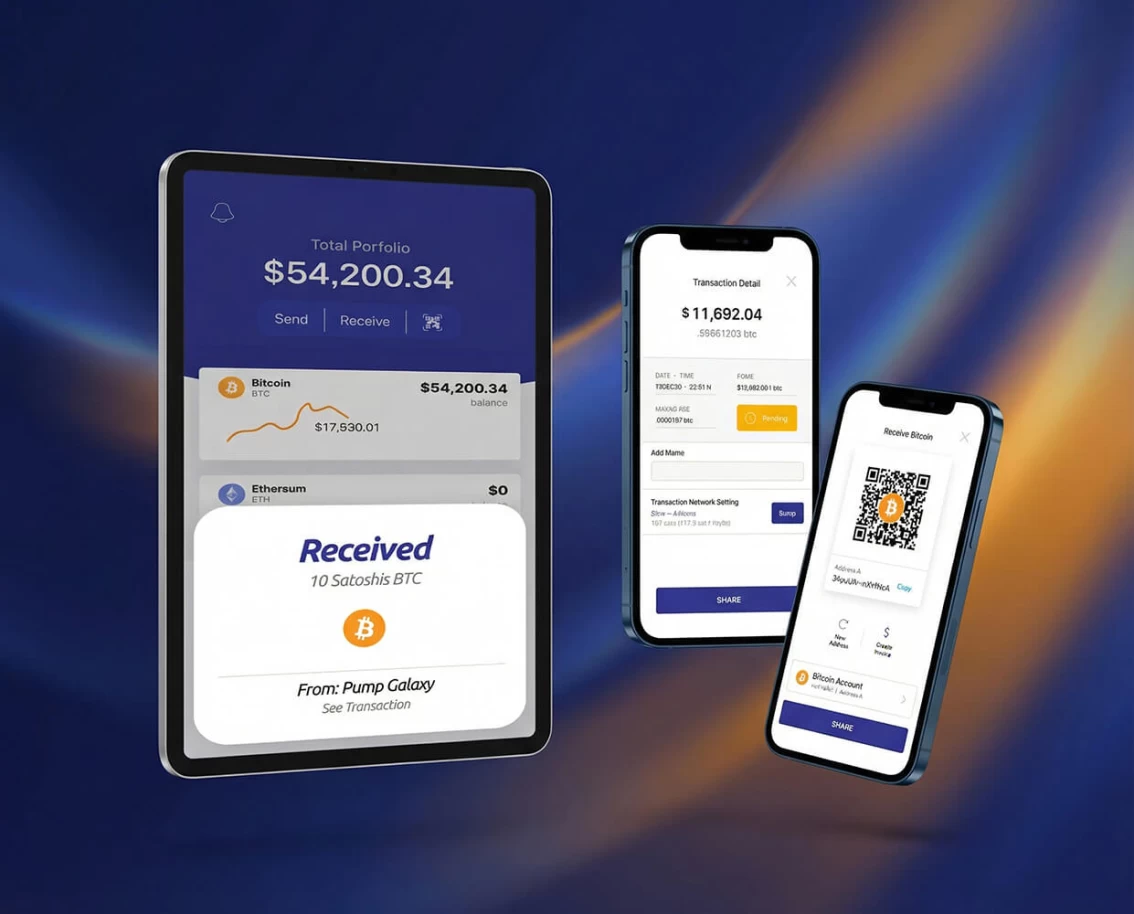
PumpTap Crypto Wallet
PumpTap worked with Pharos Production on a multi-chain wallet for storing, sending and managing digital assets. Its event-driven infrastructure supports transaction tracking and connections to decentralized applications. For smart contracts accessed through a wallet, scope transaction submission, status updates and user-facing failures separately from the on-chain rules.
Blockchain Applications
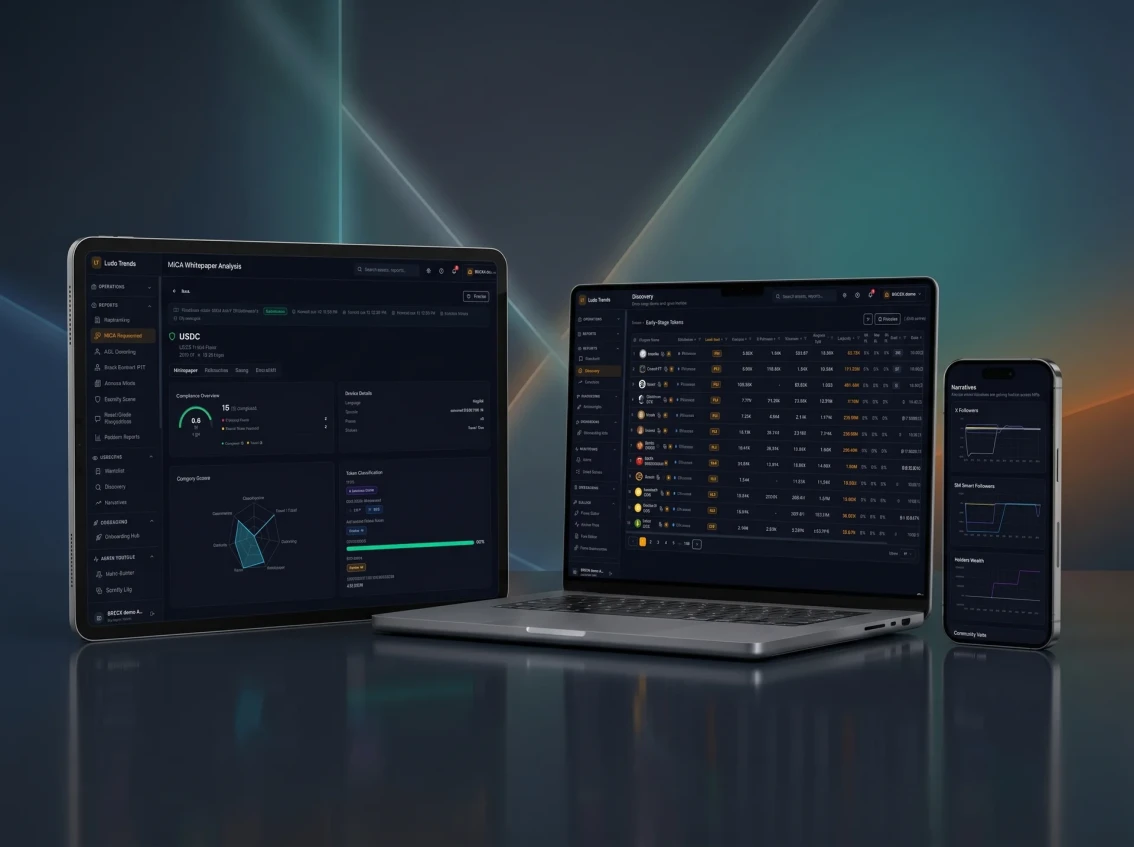
Ludo: on-chain reputation platform
Ludo worked with Pharos Production on a cross-chain reputation platform that processes blockchain events and generates soulbound NFT-based reputation scores. Web, browser and Telegram interfaces connect users to reputation data and APIs. This case shows the data infrastructure that can surround smart contracts. The public audit reference below identifies the reviewed NFT minter scope.
Web3 & Blockchain
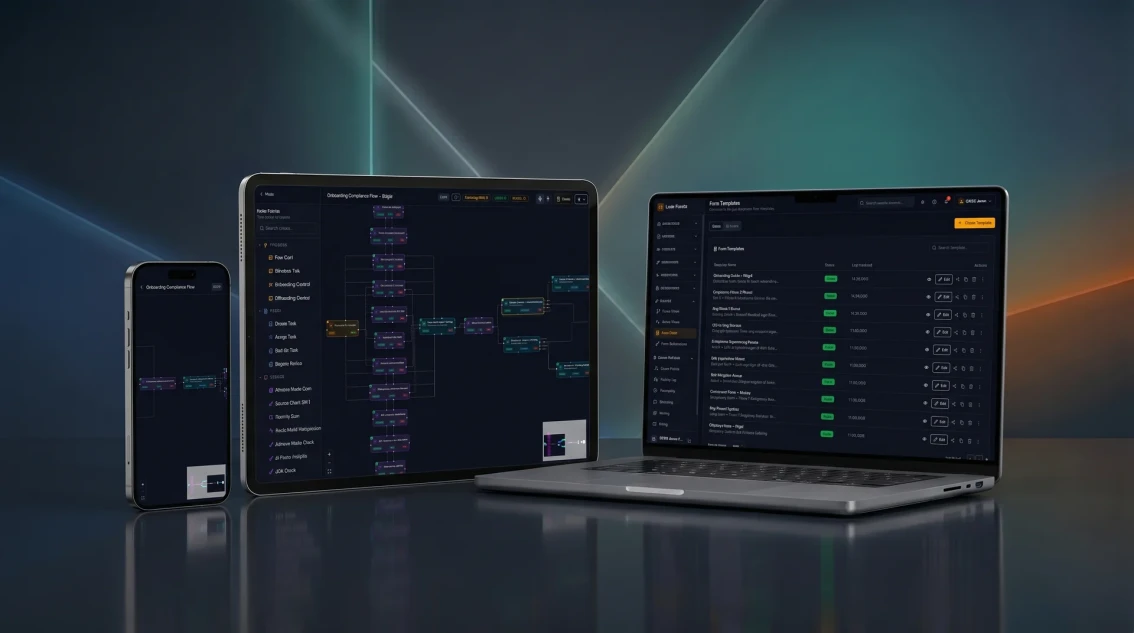
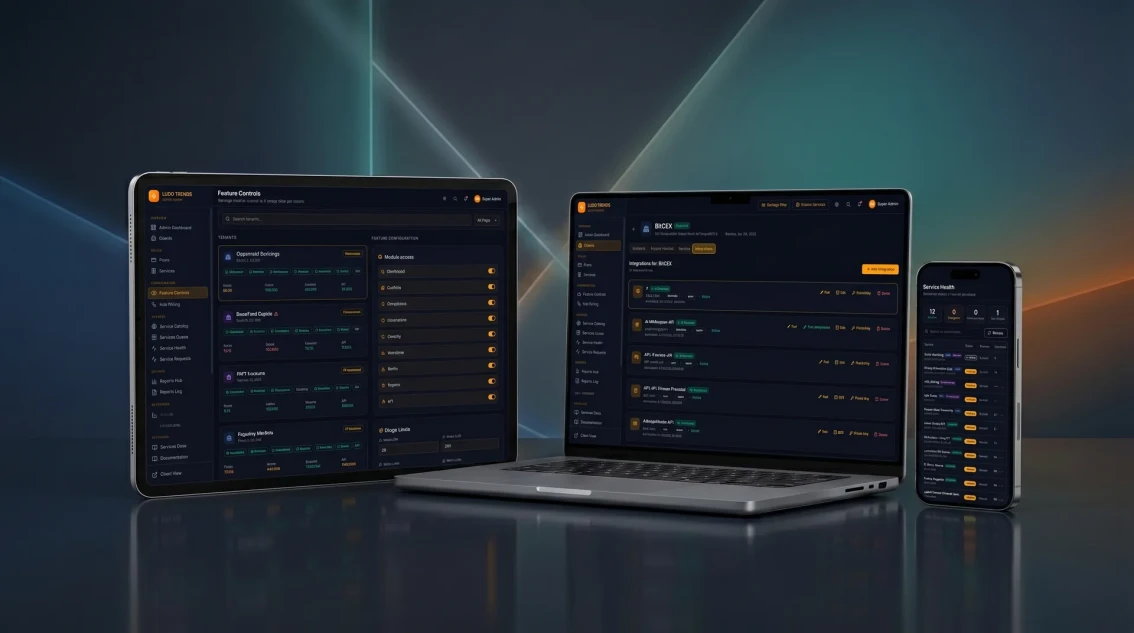
Ludera.io: Compliance Orchestration for Crypto Exchanges
Pharos Production engineered Ludera's compliance operations platform for crypto exchanges. It connects provider checks and AI-assisted document review to configurable risk scoring, human approval and recurring asset oversight.
Casino & Sportsbook
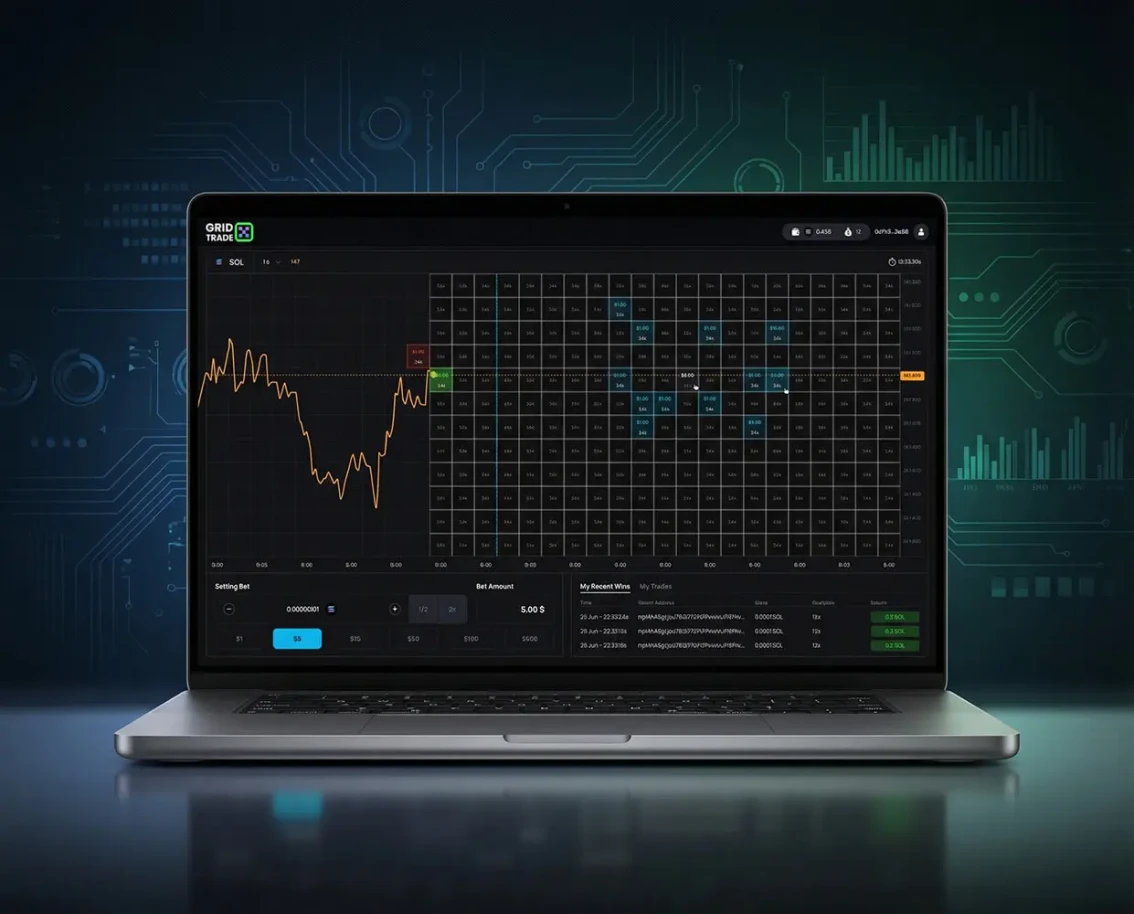
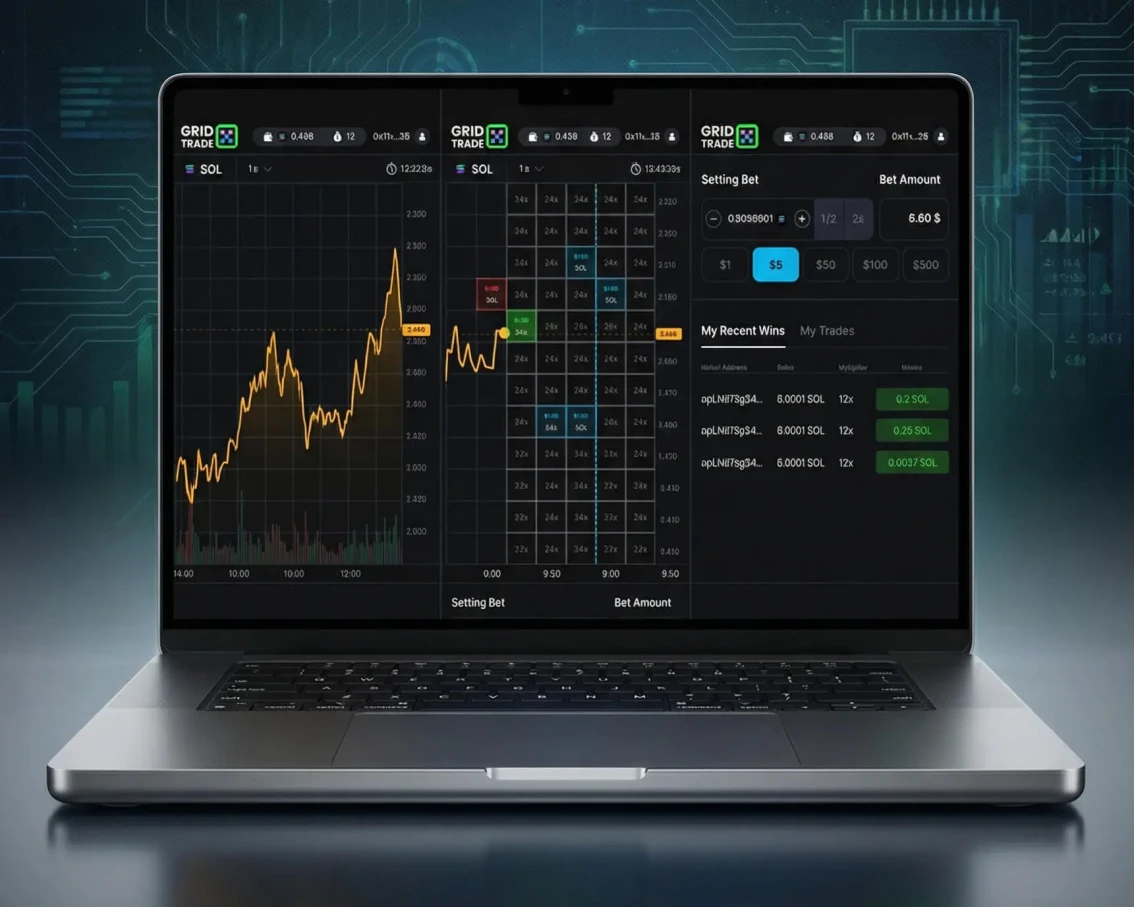
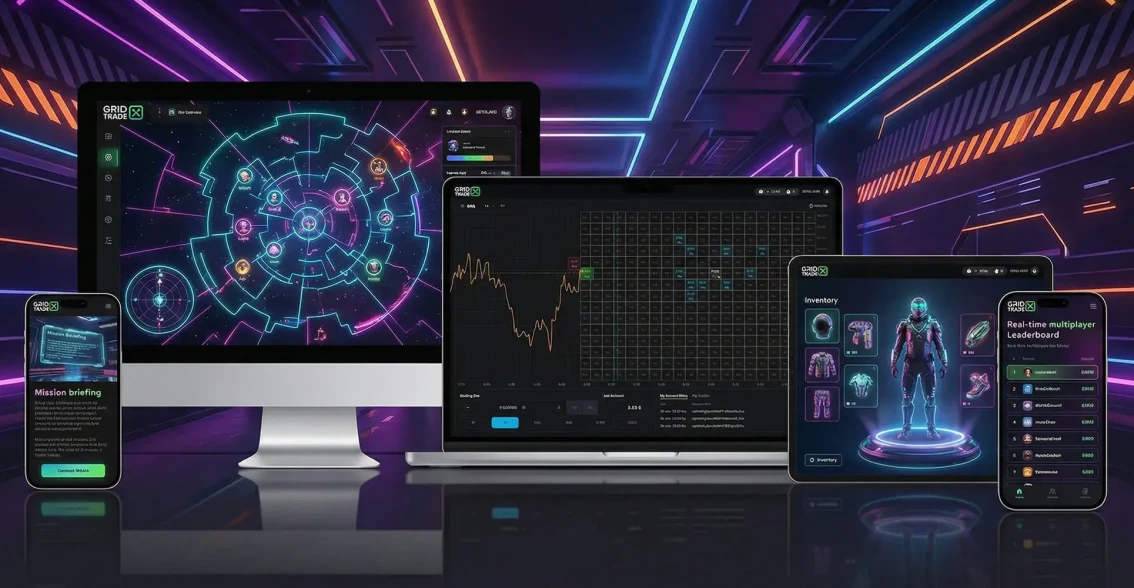
GridTradeX. Crypto Prediction Game.
Pharos Production partnered with Grid Trade X on a crypto prediction game combining price feeds, betting rounds and smart contracts. The case describes an AWS-based event-driven stack and on-chain transparency. Compare its product flows and integration requirements with the smart contracts you intend to build.
Reviews
Independent reviews from Clutch, GoodFirms and direct client testimonials - verified feedback on our software projects
Company feedback: 282 published client reviews across dated profiles
On-chain Engineering
Audited blockchain voting system ensuring immutability and secure election processes.
iGaming
Pharos Production Inc. delivered a reliable game that received great reviews from testers and co-promotion partners. The team was highly responsive, flexible with changes, and delivered work on time. Moreover, their impressive quality and fair pricing stood out.
On-chain Engineering
Delivered secure code and exceeded expectations with strong responsiveness.
On-chain Engineering
Delivered secure blockchain solution with excellent communication and execution.
On-chain Engineering
Improved insurance workflows with blockchain, increasing transparency and efficiency.
Healthcare
Pharos Production delivered an adaptable digital health platform that enabled us to swiftly introduce new patient services while ensuring robust data security. Their technical skills and forward-thinking attitude gave us the confidence to grow as our user community flourished!
Information Technology
Enhanced system infrastructure with security-first approach and improved performance.
On-chain Engineering
Delivered scalable NFT marketplace with smooth UX and strong performance.
Software Engineering
Delivered polished and functional product with strong communication and responsiveness.
On-chain Engineering
Built secure verification system improving trust and adoption.
On-chain Engineering
Clear risk assessment and remediation guidance.
Software Engineering
Delivered high-quality platform aligned with mission and strong technical execution.
Pharos Verified Delivery
Pharos Verified Delivery·4-phase methodology with typical durations and deliverables
Week 0Week 2-4Week 8-24Launch dayOngoing
01Phase 01 / 04
Paid Discovery
2-4 weeks
Technical validation
Architecture proposal
Scope refined estimate
82% on-schedule with discovery
02Phase 02 / 04
Iterative Build
2-week sprints
Working demos every sprint
CTO review at milestones
ADRs documented
Transparent progress tracking
03Phase 03 / 04
Production Readiness
Monitoring and alerting
Security audit Pen test
Runbooks and rollback
ISO 27001 aligned
04Phase 04 / 04
Support
OngoingIn progress
Security patches
Performance tuning
4h SLA response
Continuous improvement
Pharos Verified Delivery applied to 110+ production applications since 2013
Benefits of smart contracts: when is blockchain the right fit?
Start a scope discussion when
The product needs shared, independently verifiable rules for assets or transactions.
Users and integrations can work with wallets, transaction fees and chain-specific constraints.
The team can define the economic rules, permissions and failure scenarios before implementation.
The value of on-chain rules depends on a real need for shared verification. The network can make asset transfers independently verifiable, but placing contracts on a blockchain also introduces fees, wallet requirements and operational constraints.
A traditional contract records obligations in legal language. For an on-chain workflow, identify which contract terms can become executable rules and which still need legal interpretation or human judgment. Code does not resolve those questions for you.
Reconsider the approach when
A conventional database meets the requirements with simpler operations.
Wallet friction prevents the intended audience from using the product.
A token launch has unresolved legal requirements or lacks appropriate legal counsel.
High-frequency transactions are planned without a workable fee and throughput model.
Building smart contracts: delivery checklistCreate smart contracts with agreed acceptance criteria
Use this checklist to agree the handoff for smart contracts in your statement of work. Before implementation starts, identify the included deliverables, optional platform work and third-party responsibilities.
Specification and permissions
Define smart contract logic, actors, asset flows and permissions in the specification and threat model. Document contract functions and interactions with other contracts, including failure scenarios. These decisions guide smart contract creation and give the client a specification to approve.
Source and reproducible tests
Specify repository access, dependencies and build instructions. The handoff also requires unit tests and financial invariants that another developer can run from the agreed source version.
Review and audit handoff
The audit handoff identifies the reviewed source version, dependency versions and commands needed to repeat the checks. Agree which findings are open, who implements fixes and who verifies them. Internal review and an independent external audit remain separate workstreams.
Release handoff records the deployment scripts and addresses for the agreed source version. Specify upgrade procedures, admin-key custody and any support responsibilities that continue after acceptance.
On-chain modules and application scope
The service covers an individual on-chain module or the application that uses it. For smart contracts, the agreed scope sets asset flows, interfaces, responsibilities and acceptance criteria before implementation begins.
DeFi protocols
For financial smart contracts, scope lending, staking or exchange rules with oracle dependencies, liquidation behavior and emergency permissions. An example acceptance criterion: a caller without withdrawal permission cannot move another user's balance.
NFT issuance and permissions
For issuance smart contracts, agree minting permissions, metadata control and transfer restrictions. Example criterion: minting above the specified supply limit must fail. Confirm how marketplace integrations will be tested.
Application integration
Application integration connects wallet actions to on-chain calls and the backend or interface that presents their results. For smart contracts accessed through the product, scope approvals, transaction status and failed-operation handling separately from the contract rules.
13 years in architecture of great software solutions tailored to customer needs for startups and enterprises
23 years of practical enterprise customized software production experience
Lecturer at the National Kyiv Polytechnic University
Doctor of Philosophy in Artificial Intelligence
Master's degree in Computer Science, completed with excellence
Master's degree in Electronics and precision mechanics engineering
What affects smart contract development cost?
The cost of smart contracts depends on the rules, integrations and evidence required for release. A simple contract with bounded permissions differs from an interacting suite. We estimate implementation and review after assessing the specification. The scope options below are not fixed-price packages.
Smart contract engagement scope
Starting point
Work to scope
Inputs for an estimate
Budget and timing
Token or contract module
A defined token, vesting, escrow or other bounded contract component.
Rules, roles, target chain and integration points.
Quoted after reviewing the specification and testing requirements.
Smart contract suite
Interacting smart contracts with shared permissions, tests and deployment dependencies.
Architecture, economic rules, existing code and audit expectations.
Build and review milestones scoped together; auditor scheduling identified separately.
DeFi protocol
Financial rules implemented in smart contracts, with protocol-specific risks and integrations.
Economic model, asset flows, oracle assumptions and operational controls.
Contract work separated from frontend, backend and other platform development.
Existing-code review and remediation
Review of an existing repository and agreed implementation of fixes.
Repository, deployed version, known findings and intended release.
Review and remediation estimated separately from an independent external audit.
Confirm separate costs
Confirm external-auditor fees, legal advice, frontend and backend work, oracle or bridge integrations, deployment gas, monitoring and ongoing support in the proposal. Software development services around smart contracts need their own scope. None should be assumed included in a contract-only estimate.
Plan through mainnet approval
The launch plan covers specification, build, internal review, external-auditor availability, remediation and deployment approval. Changes to economic rules or integrations can change the schedule; a code-complete milestone is not a mainnet-launch date.
Start with the work you need. Share your requirements for a scoped proposal.
Module
Token or contract module
A defined token, vesting, escrow or other bounded contract component. Estimate inputs: Rules, roles, target chain and integration points.
Quoted after reviewing the specification and testing requirements.
Suite
Smart contract suite
Interacting smart contracts with shared permissions, tests and deployment dependencies. Estimate inputs: Architecture, economic rules, existing code and audit expectations.
Build and review milestones scoped together; auditor scheduling identified separately.
Protocol
DeFi protocol
Financial rules implemented in smart contracts, with protocol-specific risks and integrations. Estimate inputs: Economic model, asset flows, oracle assumptions and operational controls.
Contract work separated from frontend, backend and other platform development.
Review
Existing-code review and remediation
Review of an existing repository and agreed implementation of fixes. Estimate inputs: Repository, deployed version, known findings and intended release.
Review and remediation estimated separately from an independent external audit.
Each engagement is quoted after reviewing the agreed requirements.
Interaction models
01
Staff augmentation
Add engineers to your existing team for a defined backlog. Keep product priorities and day-to-day direction with your lead.
02
Dedicated team
Work with an allocated team for continuing delivery. Agree the roles, backlog and review cadence before work starts.
03
Project outsourcing
Give Pharos responsibility for an agreed implementation scope, milestones and handoff. Your team approves the acceptance criteria and release.
Review the technical brief
Explore the delivery specifications and constraints, or send us your requirements to discuss them with our team.
35+ technologies
Tools and frameworks for smart contractsDevelopment tools for on-chain products
Tool selection must support a build the client can reproduce and tests for the chosen execution model.
Build environment
A reproducible development environment records compiler settings, dependency versions and build commands for smart contracts. Source written in languages such as Solidity compiles to bytecode for the target EVM version. Evaluate programming languages like Solidity against the testing libraries and experience available to the team.
Build reference: Compiler metadata describes settings and source hashes used to verify a build.
Reusable components
Reusable components bring existing libraries and their licenses into the agreed codebase. Review each dependency against the permissions and asset flows of your smart contracts.
Reproducible checks
On the selected blockchain network, rehearse user flows before mainnet approval. Keep test commands and release instructions with the reviewed source so another engineer can repeat the checks.
Blockchains
Private and Public Blockchains 32
Ethereum
TON
Corda
Tron
Hedera
Stellar
Solana
Arbitrum
BNB (BSC)
Sei
Celo
Hyperledger
MultiversX
IOTA
Polkadot
Aptos
Neo
Flow
Algorand
Avalanche
Vaulta (formerly EOS)
Optimism
Polygon
Cosmos
Sui
Tezos
Ontology
Fantom
NEAR Protocol
VeChain
Base
IPFS
Managed blockchain infrastructure 3
Amazon Managed Blockchain
IBM Blockchain (legacy)
Oracle Blockchain
Ethereum blockchain: choosing a blockchain platformSolidity: a programming language for Ethereum smart contractsBlockchain technology for using smart contracts
A suitable execution model matches the intended users, wallet support and operational constraints. Compare various blockchain platforms by fees, trust assumptions and integration requirements. Experience on one chain does not establish readiness for specific blockchain platforms.
EVM network selection
Select an EVM-compatible network by wallet support, expected transaction load, fees and required oracle or bridge integrations. For smart contracts, confirm the target chain and dependency addresses during scoping. The Ethereum Virtual Machine defines execution behavior; network compatibility alone does not establish that the complete application will work.
For Polygon or another EVM-compatible network, test smart contracts against the dependencies they will actually call. Confirm network configuration and wallet behavior; compatibility alone does not verify the complete application. When assessing BNB (BSC), historically called Binance Smart Chain, confirm the intended network and integrations.
Bitcoin execution constraints
Smart contracts on Bitcoin express spending conditions through its transaction and scripting model. Confirm the required signing and time-lock rules before comparing this approach with an EVM implementation.
If an existing brief refers to IBM Blockchain, confirm the actual ledger, deployment model and support responsibilities. For a permissioned network, establish participant identity and who may validate or view each transaction.
What runs on-chain and what stays in the application
Agree the boundary before implementation. The same asset flow may involve on-chain rules, a wallet interface and an external data source, each with different responsibilities.
Execution and state
Smart contracts apply encoded rules to transactions on their host network. Name the state changes that the program may make and the conditions that permit them. A transaction that fails must leave the expected asset and account state.
Assets and permissions
For smart contracts that move value, define authorized callers, withdrawal limits and emergency powers. Test the behavior of each role instead of assuming that a token standard covers the complete product.
External data and automation
Smart contracts need an agreed data source for off-chain facts. Identify who supplies that information and what happens when it is delayed or wrong. An external service that submits transactions also needs an owner and a failure procedure.
Maintenance and operations
Keep deployed addresses, source versions and upgrade decisions together. Smart contracts need named owners for monitoring and incident response. State where the implementation engagement ends and which support work is separately agreed.
Published recognition
Partnerships and awards
Selected badges from Clutch, GoodFirms and The Manifest. Open the issuer profiles to review categories and dates.
Blockchain smart contract development processDeveloping smart contracts: from specification to releaseSmart contract deployment and handoff
Review the work at agreed milestones, from the initial scope to release approval.
01Planning
Agree scope and risks
Identify assets at risk, actors, dependencies and acceptance criteria. Before implementation, agree the economic rules and the assumptions those rules rely on.
02Implementation
Build and test
Write the smart contract code against the approved specification. Smart contract testing covers normal flows, permission boundaries and financial invariants. Review code changes and retain reproducible results for the handoff.
03Review
Review and remediate
Separate internal review from the independent audit of smart contracts. Record findings, fixes and accepted limitations against the reviewed source version.
04Release
Approve the release
Before deploying a smart contract, confirm the reviewed version, deployment authority and admin-key custody. Agree who can deploy smart contracts and which release evidence the client must approve before mainnet.
Ownership and operations
Repository and intellectual-property ownership, deployment authority and admin-key custody belong in the agreement. Name who approves upgrades and responds to incidents. Record third-party licenses, monitoring, maintenance and the point where the development engagement ends.
Smart contract execution and release checks
Set project-specific acceptance criteria for smart contract security. A checklist or coverage percentage alone does not establish that smart contracts are safe. Connect each criterion below to a named source version and repeatable evidence.
Code and permissions
Specification-to-code traceability, documented privileged roles and review of external calls in smart contracts.
Tests and invariants
Reproducible test results, stated coverage scope and tests for value preservation and failure cases.
Upgrade and recovery
Migration rehearsal, key-custody decisions and the limits of pause or recovery mechanisms.
Gas and execution
Measured execution across named user flows, with a stated baseline, chain and test environment.
Test rounding across asset flows
Test rounding across a sequence of operations, including partial withdrawals and boundary values. A single correct transaction can still leave a discrepancy when values are repeatedly divided and accumulated. Define a conservation invariant and reconciliation procedure for the complete asset flow.
What should you ask a blockchain development company?
Ask each provider for work relevant to your asset flows and integrations. The engineer should explain permissions, failure scenarios and the evidence behind release decisions.
Evidence to request
Evaluate the development team through its specification, tests and handoff artifacts. Blockchain developers can demonstrate a deep understanding of blockchain constraints by explaining dependency failures and recovery limits. Ask how those decisions affect the contract suite in your scope.
Roles and ownership
Compare named deliverables and review responsibilities. Proposals for smart contracts should identify repository ownership, deployment authority and support. Ask which decisions require client approval and who responds if a dependency fails.
Questions for the proposal
Shortlist providers using relevant implementation evidence and a reproducible handoff. For smart contracts that hold value, request tests for withdrawal limits and privileged operations. Ask the engineer to explain the limits of the design and how failure cases will be tested.
Blockchain ecosystem: practice leadership and further reading
Type to filter questions and answers. Use Topic to narrow the list.
Showing all 8
No matches
Try a different keyword, change the topic or clear filters
How is the work priced?
The estimate depends on the contract scope, economic rules, integrations and testing requirements. The scope matrix above separates a bounded module, a suite, a protocol and existing-code work.
Request a proposal that identifies external costs and optional platform work.
Is an independent audit included?
Internal security review and an independent external audit are separate. Confirm who selects and pays the auditor, prepares the handoff, implements fixes and approves the reviewed release.
Development work or coordination alone does not constitute an independent audit.
What determines the mainnet launch date?
Specification changes, integration dependencies, auditor availability, remediation and client deployment approval affect launch timing. The proposal should distinguish build milestones from the complete path to mainnet.
Can you work on an existing contract repository?
Existing-code review and remediation are separate engagement options. Share the repository, deployed version and known findings so the scope can distinguish diagnosis, fixes and any further independent review.
How should we choose the chain?
Start with the users, wallet ecosystem, transaction workload, integrations and trust assumptions. During scoping, compare the intended chain with these requirements and ask for examples of the team's relevant implementation work.
Who controls the code, upgrades and admin keys?
Repository and intellectual-property terms, deployment authority and admin-key custody must be explicit in the agreement. Upgrade permissions, approvals and any timelock or multisig requirements belong in the operational runbook.
What happens after deployment?
Monitoring, maintenance, emergency response and further audit work need their own scope and responsibilities. Agree the support period, escalation path and change process before launch.
Do you provide legal advice for a token launch?
Pharos provides engineering services. Token classification and other legal requirements need qualified counsel.
Legal advice, jurisdiction-specific approval and regulatory guarantees are outside this development service.
Share the intended behavior of your smart contracts, target chain, existing repository and launch constraints. Request an NDA before sharing confidential material.