

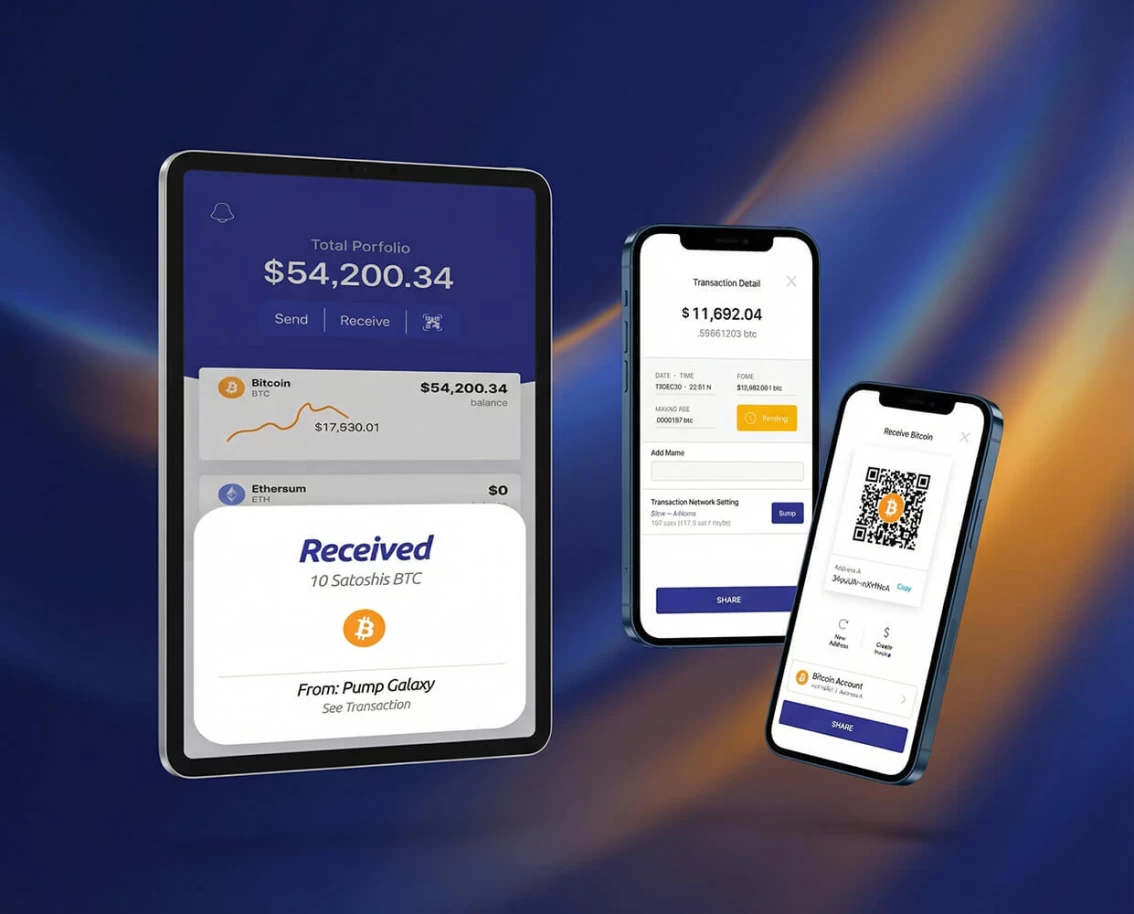
PumpTap worked with Pharos Production on a multi-chain wallet for storing, sending and managing digital assets. Its event-driven infrastructure supports transaction tracking and connections to decentralized applications. For smart contracts accessed through a wallet, scope transaction submission, status updates and user-facing failures separately from the on-chain rules.
On-chain engineering
Smart Contract Development Services
Smart Contract Development Company
Web3 Development and Blockchain Development
Smart Contracts: Choosing Software Development Companies
Your Smart Contract Developer
Create a Smart Contract
Build smart contracts for your token, DeFi protocol or on-chain product.
Our implementation scope separates engineering, security review and launch responsibilities. Plan blockchain solutions around the rules your users need to verify, with a clear handoff before mainnet.
Send your project brief. We will clarify the scope and next steps by email.
- 30+ blockchain projects
- 7+ years in Web3
- 107 Clutch reviews
Smart contract solutions at a glance
- Project scope
- Token modules, suites of smart contracts, DeFi protocols and existing-code review
- Development
- Architecture for smart contracts, implementation, testing and deployment planning
- Audit boundary
- Internal security review and independent external audit are separate workstreams
- Budget and timing
- Estimated for your scope, integrations and external-audit schedule
Web3 development: smart contract use cases
Compare these product requirements with your intended on-chain flows. GridTradeX demonstrates game logic. PumpTap and Ludo show supporting wallet and data infrastructure. The surrounding application connects smart contracts to wallets, interfaces and off-chain services. Confirm how integration of blockchain data and external services affects the implementation scope.
-
-
Ludo worked with Pharos Production on a cross-chain reputation platform that processes blockchain events and generates soulbound NFT-based reputation scores. Web, browser and Telegram interfaces connect users to reputation data and APIs. This case shows the data infrastructure that can surround smart contracts. The public audit reference below identifies the reviewed NFT minter scope.
-
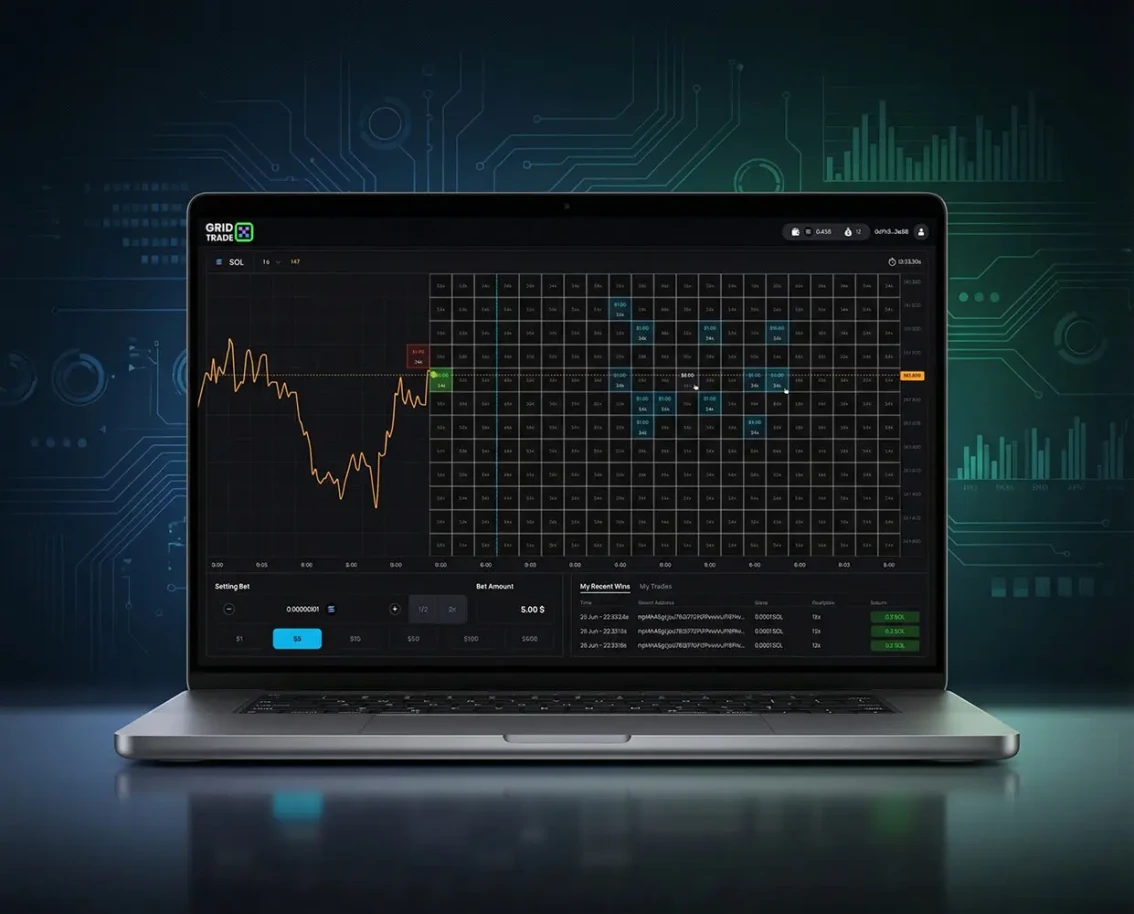
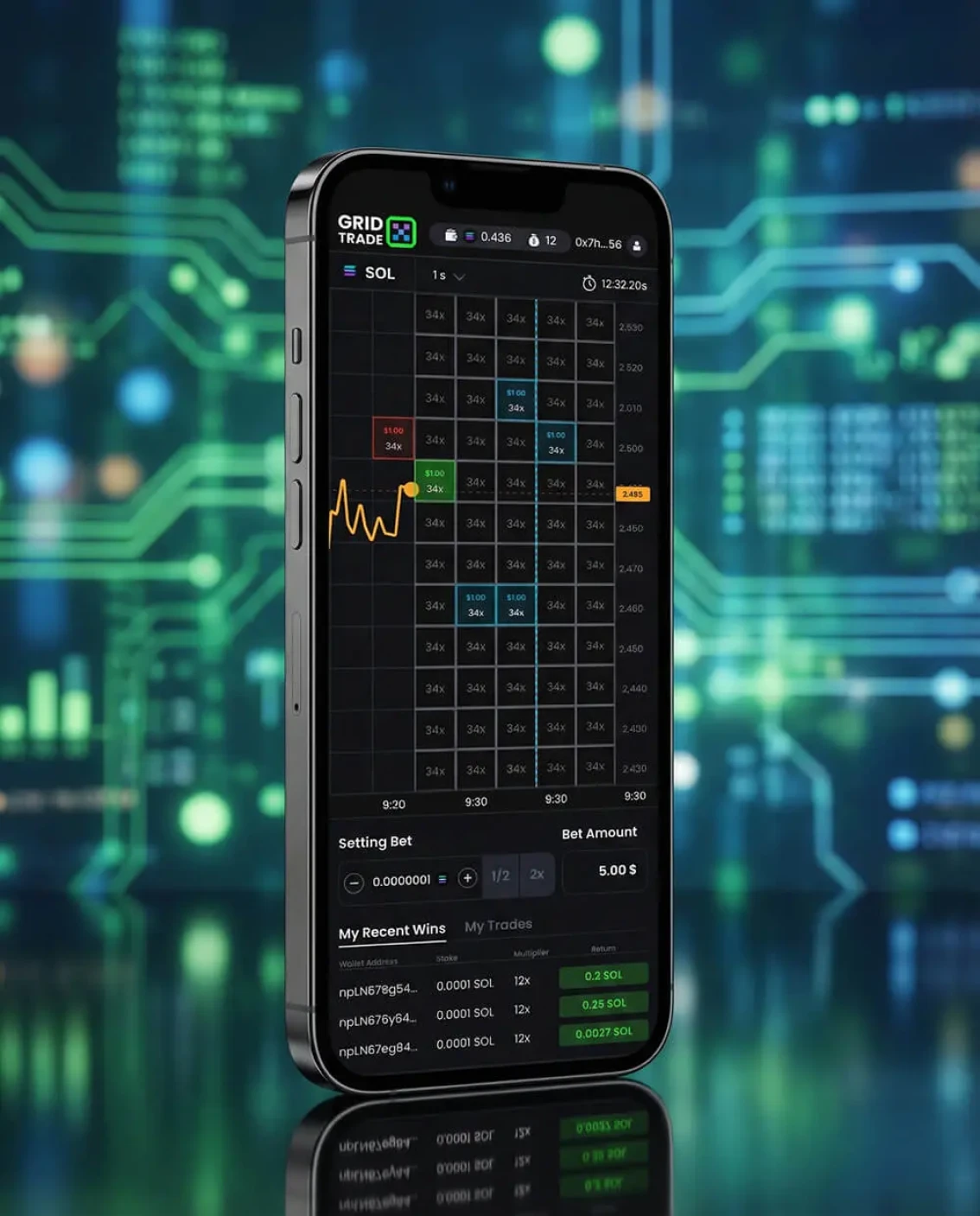
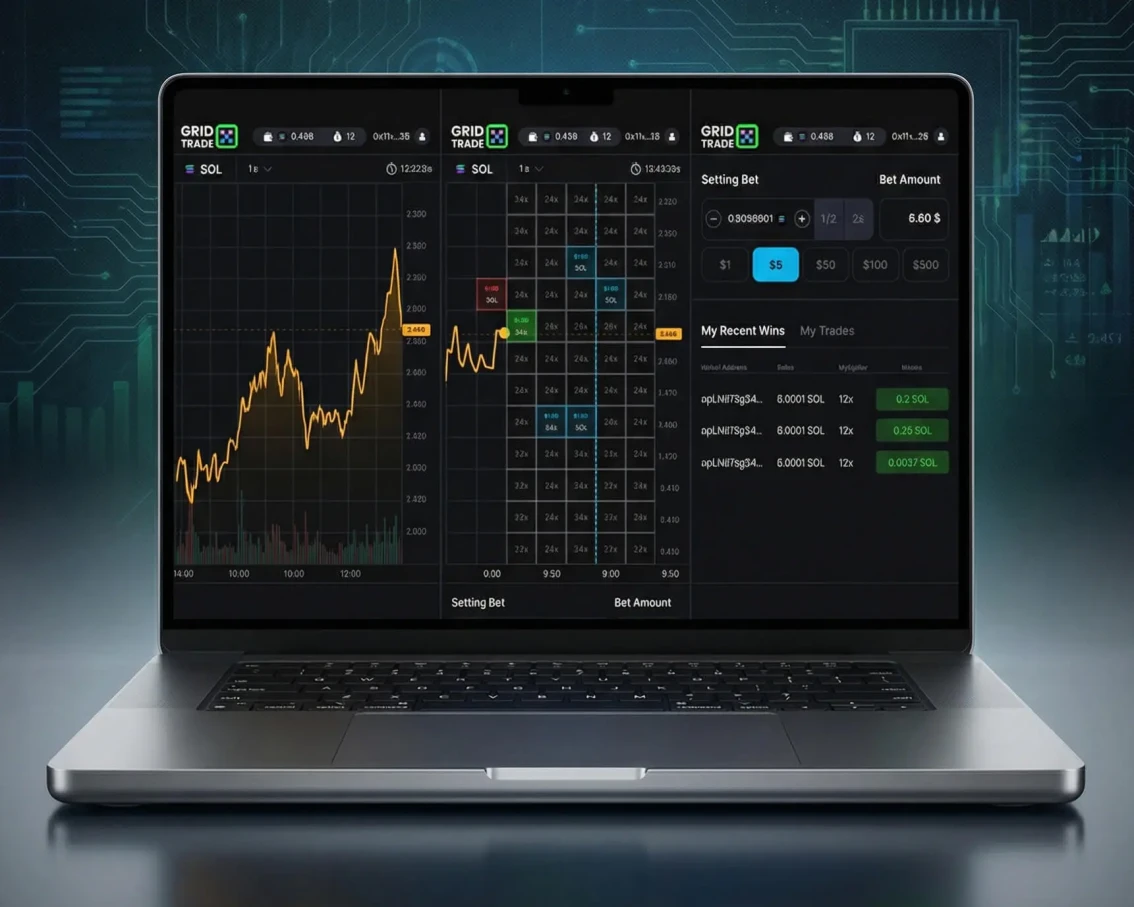
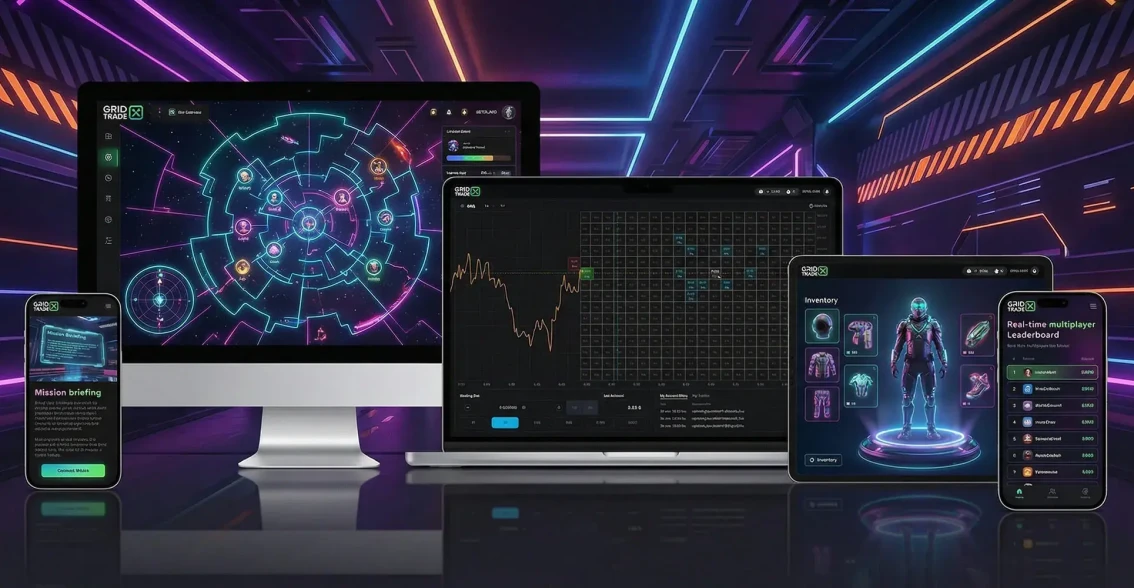
Pharos Production partnered with Grid Trade X on a crypto prediction game combining price feeds, betting rounds and smart contracts. The case describes an AWS-based event-driven stack and on-chain transparency. Compare its product flows and integration requirements with the smart contracts you intend to build.
Reviews
Independent reviews from Clutch, GoodFirms and direct client testimonials - verified feedback on our software projects
Based on 342 verified reviews
Benefits of smart contracts: when is blockchain the right fit?
Start a scope discussion when
- The product needs shared, independently verifiable rules for assets or transactions.
- Users and integrations can work with wallets, transaction fees and chain-specific constraints.
- The team can define the economic rules, permissions and failure scenarios before implementation.
The value of on-chain rules depends on a real need for shared verification. The network can make asset transfers independently verifiable, but placing contracts on a blockchain also introduces fees, wallet requirements and operational constraints.
A traditional contract records obligations in legal language. For an on-chain workflow, identify which contract terms can become executable rules and which still need legal interpretation or human judgment. Code does not resolve those questions for you.
Reconsider the approach when
- A conventional database meets the requirements with simpler operations.
- Wallet friction prevents the intended audience from using the product.
- A token launch has unresolved legal requirements or lacks appropriate legal counsel.
- High-frequency transactions are planned without a workable fee and throughput model.
Smart contract development services to create a smart contract
Use this checklist to agree the handoff for smart contracts in your statement of work. Before implementation starts, identify the included deliverables, optional platform work and third-party responsibilities.
Define the rules before you create smart contracts
Define smart contract logic, actors, asset flows and permissions in the specification and threat model. Document contract functions and interactions with other contracts, including failure scenarios. These decisions guide smart contract creation and give the client a specification to approve.
Building smart contracts: source and tests
Specify repository access, dependencies and build instructions. The handoff also requires unit tests and financial invariants that another developer can run from the agreed source version.
Review and audit handoff
Agree the internal review report, external-auditor handoff and remediation responsibilities for the agreed repository. Keep release evidence tied to the version the auditor reviewed.
Smart contract deployment and operations
Include the agreed deployment scripts, addresses, upgrade procedures and admin-key custody for the agreed release. Define the support boundary and the evidence required for the release.
About the founder and CTO
Founder and CTO Pharos Production
-
13 years in architecture of great software solutions tailored to customer needs for startups and enterprises
-
23 years of practical enterprise customized software production experience
-
Lecturer at the National Kyiv Polytechnic University
-
Doctor of Philosophy in Artificial Intelligence
-
Master's degree in Computer Science, completed with excellence
-
Master's degree in Electronics and precision mechanics engineering
Technologies, tools and frameworks we use
Choose a chain your users can work with and a build the client can reproduce.
Blockchain technology: choosing a blockchain platform
Match the network to your users, transaction workload and trust assumptions. Compare various blockchain platforms by wallet support, fees and the operational requirements of your release.
Using smart contracts on the Ethereum blockchain
On this network, EVM bytecode defines the executable rules. Other networks need their own compatibility and integration checks.

Solidity: programming language choices for Ethereum smart contracts
For EVM-based smart contracts, source written in languages such as Solidity compiles to bytecode executed by the Ethereum Virtual Machine. The compiler version belongs in the delivery specification. A developer evaluating programming languages like Solidity should also review the available testing libraries and the team's relevant implementation work.
Development tools: agree the environment
Agree the development environment before implementation. Record dependency versions and build commands so the client can reproduce the test results. On the selected blockchain network, rehearse user flows before mainnet approval. Experience on one chain does not establish readiness for specific blockchain platforms. When assessing BSC, historically called Binance Smart Chain, confirm the current network configuration and wallet integrations.
Blockchains
Private and Public Blockchains 33
Managed blockchain infrastructure 4
Development cost: scope, budget and launch planning
Choose the closest starting point for your smart contracts. A simple contract with bounded rules needs a different scope from an interacting suite. The estimate follows a review of the specification, integrations and testing requirements. These options are not fixed-price packages.

| Starting point | Work to scope | Inputs for an estimate | Budget and timing |
|---|---|---|---|
| Token or contract module | A defined token, vesting, escrow or other bounded contract component. | Rules, roles, target chain and integration points. | Quoted after reviewing the specification and testing requirements. |


| Smart contract suite | Interacting smart contracts with shared permissions, tests and deployment dependencies. | Architecture, economic rules, existing code and audit expectations. | Build and review milestones scoped together; auditor scheduling identified separately. |
| DeFi protocol | Financial rules implemented in smart contracts, with protocol-specific risks and integrations. | Economic model, asset flows, oracle assumptions and operational controls. | Contract work separated from frontend, backend and other platform development. |
| Existing-code review and remediation | Review of an existing repository and agreed implementation of fixes. | Repository, deployed version, known findings and intended release. | Review and remediation estimated separately from an independent external audit. |
Confirm separate costs
Confirm external-auditor fees, legal advice, frontend and backend work, oracle or bridge integrations, deployment gas, monitoring and ongoing support in the proposal. Software development services around smart contracts need their own scope. None should be assumed included in a contract-only estimate.
Plan through mainnet approval
The launch plan covers specification, build, internal review, external-auditor availability, remediation and deployment approval. Changes to economic rules or integrations can change the schedule; a code-complete milestone is not a mainnet-launch date.
Get a project estimateBlockchain smart contract development process: reviewing and releasing smart contracts
Scope the risks before developing smart contracts
Identify assets at risk, actors, dependencies and acceptance criteria. Before implementation, agree the economic rules and the assumptions those rules rely on.
Build and test
Write the smart contract code against the approved specification. Smart contract testing covers normal flows, permission boundaries and financial invariants. Review code changes and retain reproducible results for the handoff.
Review and remediate
Separate internal review from the independent audit of smart contracts. Record findings, fixes and accepted limitations against the reviewed source version.
Approve the release
Before deploying a smart contract, confirm the reviewed version, deployment authority and admin-key custody. Agree who can deploy smart contracts and which release evidence the client must approve before mainnet.
Ownership and operations
Agree who owns the repository and intellectual property, holds deployment and admin keys, approves upgrades and responds to incidents. Specify third-party licenses, monitoring, maintenance and the end of the development engagement in the contract.
Pharos Verified Delivery
-
Phase 01 / 04 Paid Discovery
2-4 weeks- Technical validation
- Architecture proposal
- Scope refined estimate
-
Phase 02 / 04 Iterative Build
2-week sprints- Working demos every sprint
- CTO review at milestones
- ADRs documented
-
Phase 03 / 04 Production Readiness
- Monitoring and alerting
- Security audit Pen test
- Runbooks and rollback
-
Phase 04 / 04 Support
Ongoing In progress- Security patches
- Performance tuning
- 4h SLA response
Pharos Verified Delivery applied to 110+ production applications since 2013
Production readiness for smart contracts
Set project-specific acceptance criteria for smart contract security. A checklist or coverage percentage alone does not establish that smart contracts are safe. Connect each criterion below to a named source version and repeatable evidence.
- Code and permissions
- Specification-to-code traceability, documented privileged roles and review of external calls in smart contracts.
- Tests and invariants
- Reproducible test results, stated coverage scope and tests for value preservation and failure cases.
- Upgrade and recovery
- Migration rehearsal, key-custody decisions and the limits of pause or recovery mechanisms.
- Gas and execution
- Measured execution across named user flows, with a stated baseline, chain and test environment.
Smart contract execution: test rounding across asset flows
Test rounding across a sequence of operations, including partial withdrawals and boundary values. A single correct transaction can still leave a discrepancy when values are repeatedly divided and accumulated. Define a conservation invariant and reconciliation procedure for the complete asset flow.
Partnerships and awards
Recognized on Clutch, GoodFirms and The Manifest for software engineering excellence
65+ industry awards
Blockchain ecosystem: practice leadership and further reading
The engineering practice is led by Dmytro Nasyrov, Founder and CTO. See our editorial policy for how sources and review responsibilities are described.
How to choose a smart contract development company
What to ask a blockchain development company
Ask each provider for work relevant to your asset flows and integrations. The engineer should explain permissions, failure scenarios and the evidence behind release decisions.
Development companies: assess the smart contract developer
Evaluate the development team through its specification, tests and handoff artifacts. Blockchain developers can demonstrate a deep understanding of blockchain constraints by explaining dependency failures and recovery limits. Ask how those decisions affect the contract suite in your scope.
Smart contract development FAQ
Type to filter questions and answers. Use Topic to narrow the list.
Showing all 8
No matches
Try a different keyword, change the topic or clear filters
-
How is smart contract development priced?
The estimate depends on the contract scope, economic rules, integrations and testing requirements. The scope matrix above separates a bounded module, a suite, a protocol and existing-code work.
Request a proposal that identifies external costs and optional platform work.
-
Is an independent audit included?
Internal security review and an independent external audit are separate. Confirm who selects and pays the auditor, prepares the handoff, implements fixes and approves the reviewed release.
Development work or coordination alone does not constitute an independent audit.
-
What determines the mainnet launch date?
Specification changes, integration dependencies, auditor availability, remediation and client deployment approval affect launch timing. The proposal should distinguish build milestones from the complete path to mainnet.
-
Can you work on an existing contract repository?
Existing-code review and remediation are separate engagement options. Share the repository, deployed version and known findings so the scope can distinguish diagnosis, fixes and any further independent review.
-
How should we choose the chain?
Start with the users, wallet ecosystem, transaction workload, integrations and trust assumptions. During scoping, compare the intended chain with these requirements and ask for examples of the team's relevant implementation work.
-
Who controls the code, upgrades and admin keys?
Repository and intellectual-property terms, deployment authority and admin-key custody must be explicit in the agreement. Upgrade permissions, approvals and any timelock or multisig requirements belong in the operational runbook.
-
What happens after deployment?
Monitoring, maintenance, emergency response and further audit work need their own scope and responsibilities. Agree the support period, escalation path and change process before launch.
-
Do you provide legal advice for a token launch?
Pharos provides engineering services. Token classification and other legal requirements need qualified counsel.
Legal advice, jurisdiction-specific approval and regulatory guarantees are outside this development service.
What happens next?
-
Contact us
Contact us today to discuss your project. We're ready to review your request promptly and guide you on the best next steps for collaboration
Same day -
NDA
We're committed to keeping your information confidential, so we'll sign a Non-Disclosure Agreement
1 day -
Plan the Goals
After we chat about your goals and needs, we'll craft a comprehensive proposal detailing the project scope, team, timeline and budget
3-5 days -
Finalize the Details
Let's connect on Google Meet to go through the proposal and confirm all the details together!
1-2 days -
Sign the Contract
As soon as the contract is signed, our dedicated team will jump into action on your project!
Same day