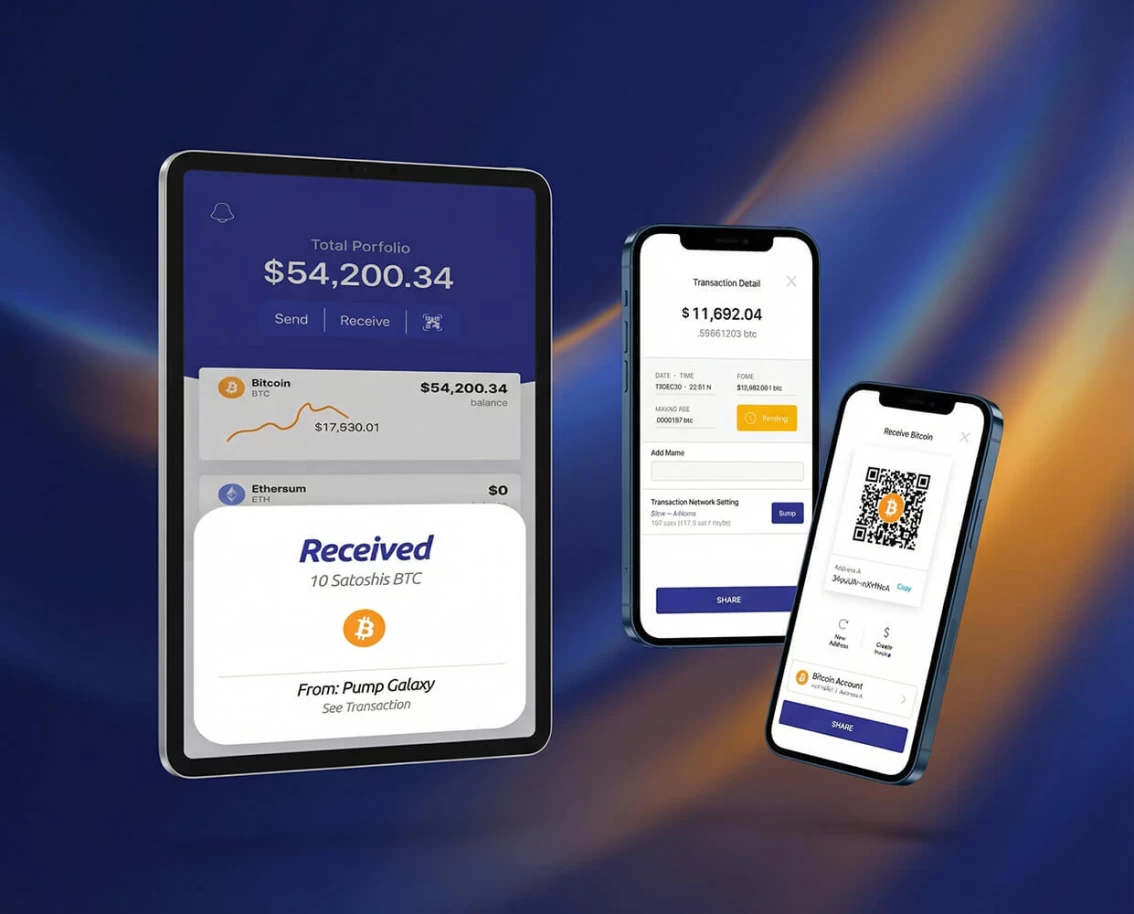
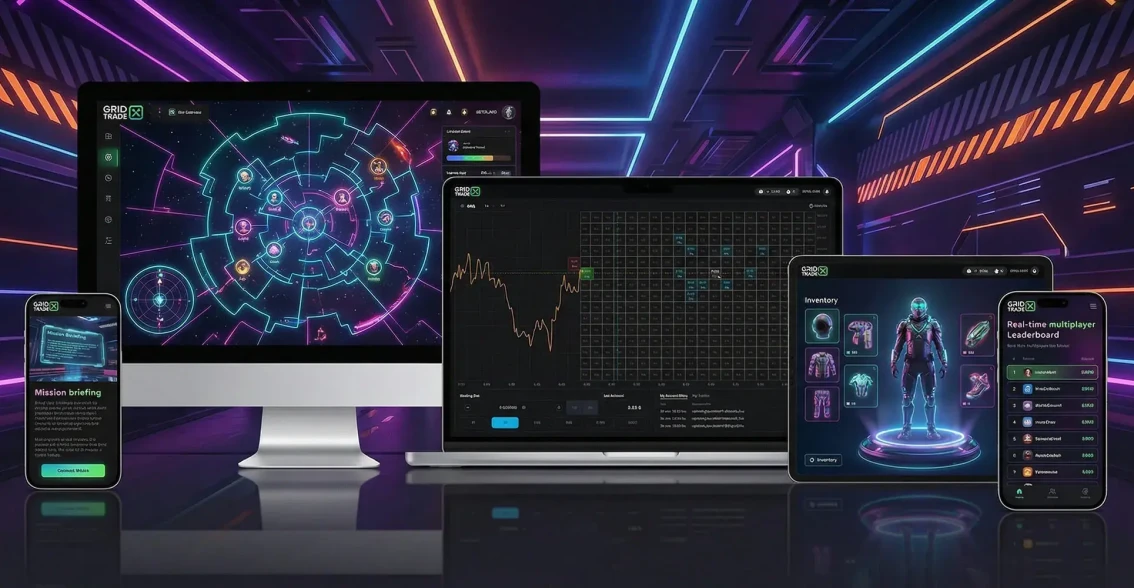
Token airdrop development is the engineering of smart contracts, claim portals, eligibility verification systems and distribution infrastructure that enable Web3 projects to distribute tokens to wallet addresses at scale. The scope covers the full lifecycle: eligibility criteria design (snapshot-based, activity-based, staking-based), Sybil resistance (on-chain behavior analysis, wallet clustering, proof-of-humanity checks), smart contract engineering (Merkle tree claim contracts, vesting schedules, multi-chain distribution), claim portal front-end (wallet connection, eligibility lookup, gas-optimized claiming) and analytics dashboards (claim rates, distribution progress, whale concentration). The difference between a successful airdrop and a failed one is almost entirely in the Sybil filtering and claim UX.
Authoritative citations
12 sources
-
Ethereum Yellow Paper
The Ethereum Yellow Paper by Gavin Wood is the canonical formal specification of the EVM, gas accounting and state transition function, referenced by every serious smart contract implementation including the clients Pharos uses for mainnet integrations.
 ethereum.github.io
-
EIP-1559 Specification
EIP-1559 redefined Ethereum gas pricing with a base fee plus priority tip model, changing how wallets, dApps and L2 gas estimation libraries compute transaction cost, which we apply directly in every wallet we ship.
 eips.ethereum.org
-
Consensys Smart Contract Best Practices
Consensys maintains the industry-reference smart contract security guide covering reentrancy, integer overflow, front-running, oracle manipulation and upgrade patterns, which we use as a code review checklist on every Solidity audit.
 consensys.github.io
-
OpenZeppelin Contracts
OpenZeppelin Contracts is the most widely audited open-source Solidity library for tokens, access control, upgrades and governance patterns, and is the default foundation for every Pharos smart contract engagement unless the client has compelling audit evidence for a custom base.
 docs.openzeppelin.com
-
Chainalysis Crypto Crime Report
The Chainalysis annual crypto crime report quantifies illicit on-chain activity across ransomware, sanctions evasion, DeFi exploits and stolen funds, and we use the underlying methodology to calibrate AML screening thresholds in wallet and exchange integrations.
 chainalysis.com
-
Trail of Bits Smart Contract Audits
Trail of Bits public smart contract audit reports document real-world findings across DeFi protocols, DAOs and NFT infrastructure, and we read every published report to extend our own internal audit checklist with emerging attack patterns.
 github.com
-
EEA Enterprise Ethereum Specification
The Enterprise Ethereum Alliance specification defines permissioned network, privacy and performance requirements that inform our architecture for enterprise chain engagements running variants of Besu, Quorum and Hyperledger Besu.
 entethalliance.org
-
Solidity Documentation
The Solidity language documentation is the authoritative source for syntax, compiler behaviour, gas costs and breaking changes across versions, which we track carefully because upgrade cycles from 0.8.x to 0.9.x affect every contract in production.
 docs.soliditylang.org
-
L2Beat
L2Beat tracks total value locked, security assumptions and maturity of Ethereum layer-2 networks, which we consult when recommending between Arbitrum, Optimism, Base, zkSync and Starknet for client dApps based on throughput and trust requirements.
 l2beat.com
-
DeFi Pulse
DeFi Pulse publishes total value locked and protocol-level metrics across lending, DEX, derivatives and yield protocols, useful for benchmarking liquidity assumptions when designing DeFi integrations that depend on oracle prices or pool depth.
 defipulse.com
-
Hardhat Documentation
Hardhat is the de-facto Ethereum development environment with built-in console, mainnet forking and plugin ecosystem, and is the base harness we use to ship every Solidity project with deterministic tests and gas snapshots.
 hardhat.org
-
NIST Post-Quantum Cryptography
NIST is finalizing post-quantum cryptographic standards including CRYSTALS-Kyber and Dilithium that will eventually replace current ECDSA signatures, and we monitor the migration timeline closely for clients running long-lived on-chain assets.
 csrc.nist.gov
What we do not do:
- Distributions to fewer than 1,000 known wallets (use a multisig batch transfer through Safe)
- Projects where tokenomics and token supply are not yet finalized (airdrop mechanics depend on these decisions)
- Token distributions designed as pure marketing without any retention mechanism (mercenary farmers will dump immediately)
- Projects without a legal opinion on whether the airdrop constitutes a securities distribution in target jurisdictions