Skip to content

Reviewed by Dr. Dmytro Nasyrov, Founder and CTO • Last updated April 24, 2026

Cross-Platform Apps Development

We create fast, scalable, cross-platform applications that provide a consistent user experience on iOS and Android from a single codebase.

  • 90+ engineers
  • 18 industries
  • 13+ years in business

Your business results matter

Achieve them with minimized risk through our bespoke innovation capabilities

Your contact details
Please enter your name
Please enter a valid email address
Please enter your message
* required

We typically reply within 1 business day

We create fast, scalable, cross-platform applications that provide a consistent user experience on iOS and Android from a single codebase. Our team helps businesses reduce development costs and accelerate time-to-market by leveraging modern frameworks such as Flutter and React Native.

Reviewed and updated
Last reviewed by Dmytro Nasyrov, Founder and CTO. Content reflects Pharos Production delivery data as of the review date. Editorial policy.

What is cross-platform mobile development?

Cross-platform mobile development is the engineering of mobile applications that ship to both iOS and Android from a single shared codebase using frameworks like React Native, Flutter, or Kotlin Multiplatform. It differs from native development in that UI and business logic are written once in a shared language (JavaScript/TypeScript, Dart, or Kotlin) and compiled or interpreted to run on both platforms, typically with 70-90% code reuse. Native modules handle the 5-10% of functionality that needs direct platform API access (Secure Enclave, HealthKit, ARKit, deep platform integrations). Pharos has shipped React Native and Flutter apps for marketplaces, FinTech, healthcare, creator tools and enterprise field applications since 2018.
Authoritative citations 12 sources
  1. Apple Human Interface Guidelines Apple HIG defines the canonical patterns for iOS, iPadOS and macOS interaction including navigation stacks, gestures, accessibility and in-app purchase UX that every Pharos iOS build conforms to before App Store submission. developer.apple.com
  2. Android Material Design 3 Material Design 3 is the Google design system shipped by Android 12+ covering dynamic color, adaptive layouts and new component semantics, which we use as the base component library for every Android app rebuild post-2023. m3.material.io
  3. App Store Review Guidelines Apple publishes the App Store Review Guidelines covering app functionality, metadata, privacy, IDFA and in-app purchase compliance, which is the single most cited rejection reference for every iOS release candidate we submit. developer.apple.com
  4. Google Play Developer Policy The Google Play Developer Policy Center documents content, privacy, billing and permissions rules that drive app suspension and removal risk, which we walk through line by line before every Android release. support.google.com
  5. React Native Architecture The React Native New Architecture documentation covers Fabric renderer, TurboModules and codegen that materially reduce bridge overhead compared to the legacy architecture, a migration we plan on every RN project targeting 2025+ releases. reactnative.dev
  6. Flutter Documentation Flutter is the Google cross-platform toolkit shipping from single Dart codebase to iOS, Android, web and desktop, and the Flutter docs are the reference for widget semantics, rendering model and platform channel patterns we use in mixed-native projects. docs.flutter.dev
  7. Firebase Crashlytics Best Practices Firebase Crashlytics guidance defines crash-free user thresholds, symbol upload and release-branching practice that every Pharos mobile ship runs under, with a default 99.5% crash-free baseline gate on both stores. firebase.google.com
  8. Sentry Mobile Error Monitoring Sentry documentation covers mobile error capture, session replay and performance monitoring that complements or replaces Crashlytics for privacy-sensitive clients unable to ship Google SDKs, which we wire into every ship-ready RN and Flutter build. docs.sentry.io
  9. Data.ai Mobile State of Mobile The Data.ai State of Mobile annual report compiles session frequency, time-in-app, in-app revenue and engagement benchmarks across categories, useful reference material for validating mobile product assumptions during discovery. data.ai 2024
  10. App Store Connect API Apple App Store Connect API documentation defines TestFlight, build distribution and metadata automation surfaces that Pharos uses to tie CI pipelines directly to store submission without manual intervention. developer.apple.com
  11. Google Play Console Help Google Play Console documentation defines internal test tracks, closed and open testing, staged rollouts and crash clustering, which together enable our standard rollout posture of 10 percent then 100 percent on every Android release. support.google.com
  12. OWASP Mobile Top 10 OWASP Mobile Top 10 enumerates the highest-impact mobile security risks including insecure data storage, insecure communication, authentication failures and code tampering, which we treat as a pre-submission threat model on every build. owasp.org
What we do not do:
  • Apps where cross-platform frameworks struggle (heavy graphics, AR/VR, real-time audio, deep platform integrations)
  • Wrapper apps that just embed an existing website (a PWA is better)
  • Apps without a plan for the ~10% native modules that cross-platform cannot cover
  • Teams already strong in native iOS + Android where the hiring argument does not apply

Services

Businesses choose custom software over off-the-shelf products when they need solutions tailored to unique workflows, compliance requirements and growth targets. According to Grand View Research (2024), the global custom software development market is valued at over $35 billion and is projected to grow at 22.3% CAGR through 2030. Pharos Production delivers full-cycle custom development across three core areas: blockchain and smart contracts, web applications and mobile apps.

  • Flutter App Development

    We develop high-performance Flutter apps with smooth animations and native-like interactions that work reliably across different platforms. This approach accelerates delivery while maintaining a polished user experience.

    Explore Flutter App Development
  • React Native App Development

    We develop scalable React Native apps that efficiently reuse code across iOS and Android without sacrificing performance. This method shortens development time and enables quicker product iterations.

    Explore React Native App Development
  • Cross-Platform UI/UX Design

    We design interfaces that smoothly adapt across devices and operating systems while keeping a unified brand identity. Our cross-platform user experience guarantees consistent usability and intuitive user flows.

    Explore Cross-Platform UI/UX Design
  • Shared Codebase Architecture

    We use a modular architecture to improve code reuse and maintainability across platforms. This method reduces technical overhead and simplifies long-term application updates.

    Explore Shared Codebase Architecture
  • Third-Party Plugin and API Integration

    We integrate essential APIs, SDKs and plugins to boost your app’s functionality without reinventing the wheel. Payments, analytics, geolocation and other features are implemented securely and efficiently.

    Explore Third-Party Plugin and API Integration
  • Cross-Platform Testing and QA

    We perform comprehensive testing across different devices, operating systems and screen sizes to ensure stability and reliability. Both automated and manual QA processes detect and fix bugs before launch.

    Explore Cross-Platform Testing and QA
  • App Performance Optimization

    We optimize rendering, networking and memory usage to deliver fast load times and smooth interactions across all platforms. This creates a responsive app experience that users expect from native products.

    Explore App Performance Optimization
  • Deployment for iOS, Android and Web Platforms

    We handle full release processes for different platforms, including the App Store, Google Play and web deployment pipelines. This ensures consistent updates and synchronized feature delivery across all channels.

    Explore Deployment for iOS, Android and Web Platforms

React Native vs Flutter: which is better?

React Native uses JavaScript/TypeScript with native bridges and leverages the large React hiring pool, while Flutter uses Dart with a custom rendering engine that delivers pixel-perfect consistency across platforms. According to the 2024 Statista mobile developer survey, React Native has 42% adoption among cross-platform developers vs 46% for Flutter — both are viable production choices; the decision usually comes down to team skills and specific feature needs.

Factor React Native Flutter
Language JavaScript / TypeScript Dart
Rendering Native platform widgets via bridges Custom Skia/Impeller engine, pixel-perfect consistency
Hiring pool Very large (React + JS/TS) Smaller but growing; Dart is easy to learn
UI consistency Feels native on each platform (iOS looks iOS, Android looks Android) Looks identical on both platforms; can mimic native
Performance Near-native; bridge overhead on heavy data transfer Native-equivalent; no bridge
Native modules Mature ecosystem; most APIs covered by community packages Growing; some APIs require writing native channels
OTA updates CodePush (Expo), Shorebird — JS layer only Shorebird — both Dart and engine code (in preview)
Best fit Teams with React experience, ecosystem-heavy apps, rapid iteration Teams wanting pixel-perfect UI, graphics-heavy apps, greenfield starts

Cross-platform mobile development at Pharos Production at a glance

  • Apps shipped: 15+ production cross-platform apps shipped to both stores since 2018 (React Native, Flutter, Kotlin Multiplatform)
  • Stack: React Native, Flutter, Kotlin Multiplatform, TypeScript, Dart, wagmi (for Web3), native modules via bridges / FFI / KMP
  • Code share: 70-90% shared between iOS and Android; native modules for the 5-10% edge cases (camera, biometrics, deep platform APIs)
  • Deployment: TestFlight + Play Internal track every sprint, OTA updates via CodePush or Shorebird for JS layer, crash monitoring via Crashlytics or Sentry
  • Pricing: Cross-platform MVP $30,000-$80,000 for both stores; production app $80,000-$250,000+
  • Timeline: Discovery 2-3 weeks; MVP 8-14 weeks (both stores); production app 4-9 months
  • Quality gates: 70%+ unit coverage, E2E smoke suite via Detox or Maestro, crash-free >99.3% on real devices, App Store + Play Store checklist
  • Honest scope: We recommend native when feature depth demands it and decline wrapper apps that should be PWAs

Our Software Development Expertise

Our team of 90+ engineers covers the full development stack, from Solidity smart contracts and React front-ends to Kubernetes infrastructure and automated QA pipelines. Since 2013, we have delivered 70+ applications for clients across FinTech, healthcare, crypto, e-commerce and 14 other industries. Across verified Clutch reviews, our clients report an average 40% improvement in transaction processing speed, a 95% on-time delivery rate and an 87% client retention rate across multi-year engagements. Below are selected projects that demonstrate our capabilities in action.

  • Taxi Aggregator App - application interface, screen 1
    Taxi Aggregator App - application interface, screen 2
    Social

    Taxi Aggregator App

    Pharos Production collaborated with a taxi aggregator platform to develop a high-load ride-hailing application that connects passengers and drivers in real time. This platform consolidates various fleets and independent drivers into a single system, ensuring quick ride matching, live tracking and transparent pricing. Built on a cloud-native infrastructure, the solution offers low-latency interactions, reliable trip processing and scalability for operations at the city and regional levels.

  • Sagas. Time-lapse Social Network - application interface, screen 1
    Sagas. Time-lapse Social Network - application interface, screen 2
    Sagas. Time-lapse Social Network - application interface, screen 3
    Sagas. Time-lapse Social Network - application interface, screen 4
    Sagas. Time-lapse Social Network - application interface, screen 5
    Sagas. Time-lapse Social Network - application interface, screen 6
    Social

    Sagas. Time-lapse Social Network

    Pharos Production has partnered with Sagas to create a location-aware social platform that enables users to capture, publish, and explore geo-located timelapses over time. This system combines real-time data ingestion, large-scale media processing, and map-centric discovery to transform physical locations into dynamic digital stories. Leveraging cloud-native infrastructure and event-driven architecture, Sagas allows users to document urban changes, natural evolution, and personal moments tied to specific places. The result is a scalable social network where time and location are central to content discovery.

  • Pulse. Social Network With Prizes - application interface, screen 1
    Pulse. Social Network With Prizes - application interface, screen 2
    Pulse Social Network - Community commerce platform by Pharos Production
    Social

    Pulse. Social Network With Prizes

    Pharos Production has partnered with Pulse to create a community-driven social network that connects users with local stores through challenges, engagement activities, and real-world prizes. This platform transforms everyday local interactions into interactive experiences, enabling users to earn rewards from participating merchants. Built on a scalable, event-driven architecture, Pulse facilitates real-time interactions between users and businesses and supports rapid growth across cities and regions.

  • Pro Gambling. Sports Forecasting Platform - application interface, screen 1
    Pro Gambling. Sports Forecasting Platform - application interface, screen 2
    Casino & Sportsbook

    Pro Gambling. Sports Forecasting Platform

    Pharos Production partnered with Pro Gambling to build a high-load sports forecasting platform focused on data-driven predictions, real-time analytics and scalable delivery of betting insights. The platform aggregates large volumes of sports data, odds movements and historical statistics to generate forecasts that help users make informed betting decisions. Built on a cloud-native, event-driven architecture, Pro Gambling delivers fast updates, transparent analytics and consistent performance during peak sports events.

  • Pleenk. Secure Payments Platform - application interface, screen 1
    Pleenk. Secure Payments Platform - application interface, screen 2
    Pleenk. Secure Payments Platform - application interface, screen 3
    Banking

    Pleenk. Secure Payments Platform

    Pharos Production has partnered with Pleenk to build a secure, scalable payments platform for fast transactions, fraud prevention and seamless integration with digital products. The platform processes payment flows in real time while maintaining high levels of security, transparency and reliability for both businesses and end users. Built on cloud-native infrastructure and an event-driven architecture, Pleenk provides a strong foundation for modern digital payments.

  • NoMoreBets. Rapid Bets Platform. - application interface, screen 1
    NoMoreBets. Rapid Bets Platform. - application interface, screen 2
    NoMoreBets. Rapid Bets Platform. - application interface, screen 3
    NoMoreBets. Rapid Bets Platform. - application interface, screen 4
    NoMoreBets. Rapid Bets Platform. - application interface, screen 5
    Casino & Sportsbook

    NoMoreBets. Rapid Bets Platform.

    Pharos Production partnered with NoMoreBets to develop a worldwide one-tap live betting platform focused on speed and scalability. The system handles real-time odds and instant bets effortlessly. The result is a smooth, engaging betting experience that increased player retention, reduced drop-offs during live matches, and positioned NoMoreBets for global growth since 2022.

  • Nextcheck, the KYC Platform - application interface, screen 1
    Nextcheck, the KYC Platform - application interface, screen 2
    Nextcheck, the KYC Platform - application interface, screen 3
    Nextcheck, the KYC Platform - application interface, screen 4
    Banking

    Nextcheck, the KYC Platform

    Pharos Production partnered with Nextcheck to replace outdated, manual onboarding with a secure, automated KYC/AML platform. Built on AWS, Kubernetes, Istio, Elixir, RabbitMQ, PostgreSQL and NextJS, the platform provides real-time biometric and document verification, risk assessment and compliance reporting. Since 2019, Nextcheck has reduced onboarding time by 60%, cut manual labor by 70% and expanded to support thousands of checks at once. Today, it powers global banks, fintechs and crypto firms with a cloud-native, regulation-ready, growth-oriented compliance platform.

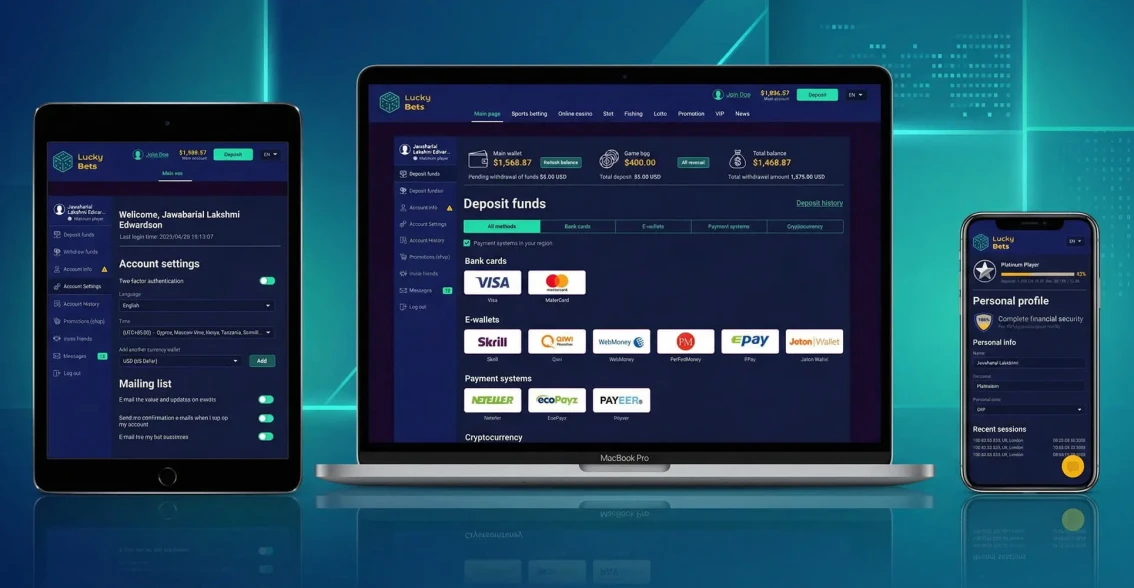
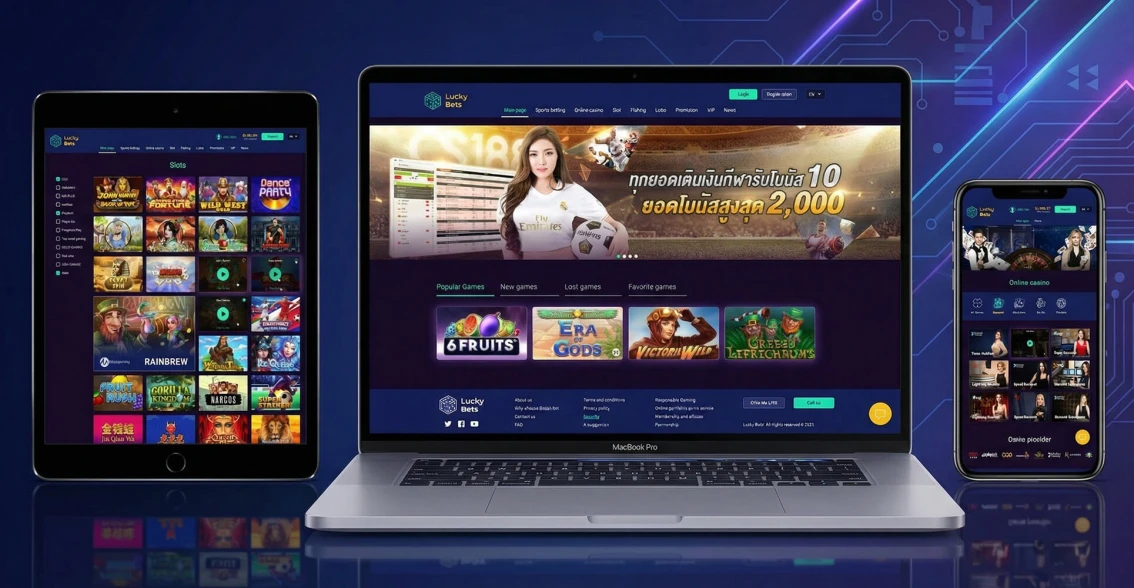
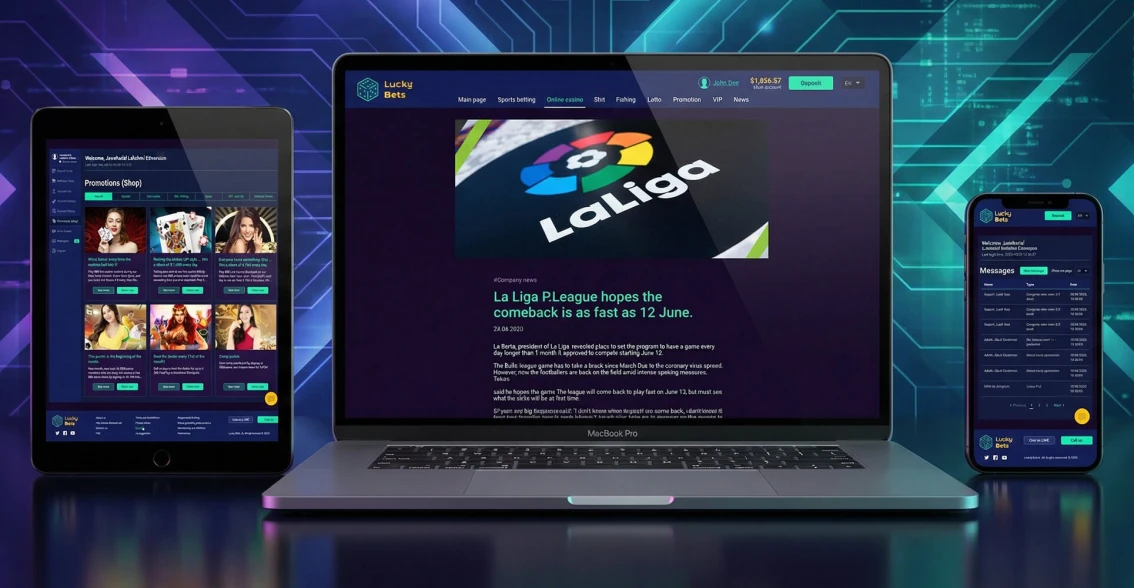
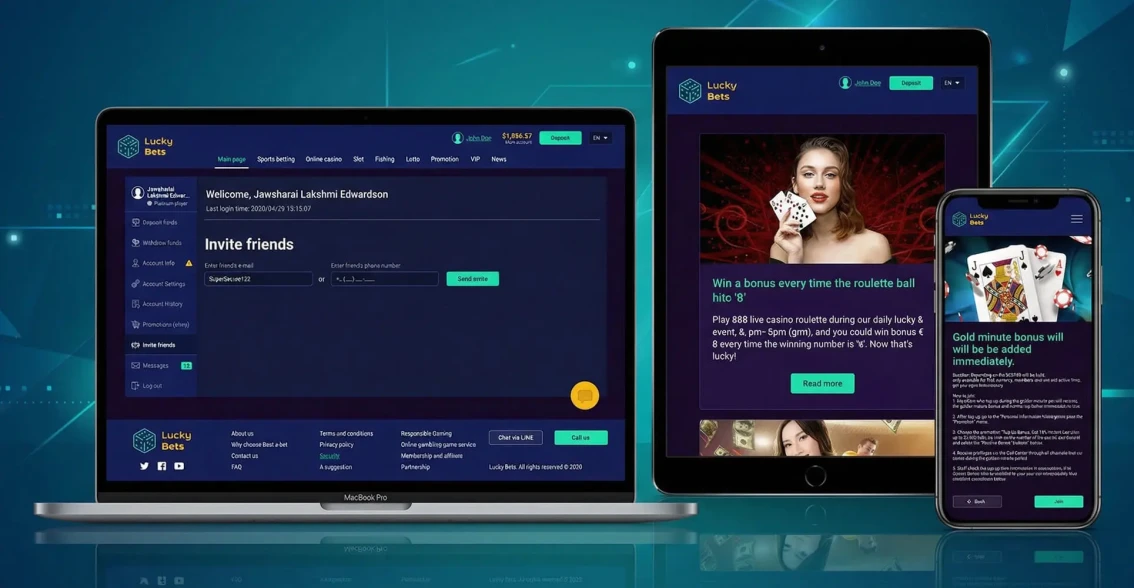
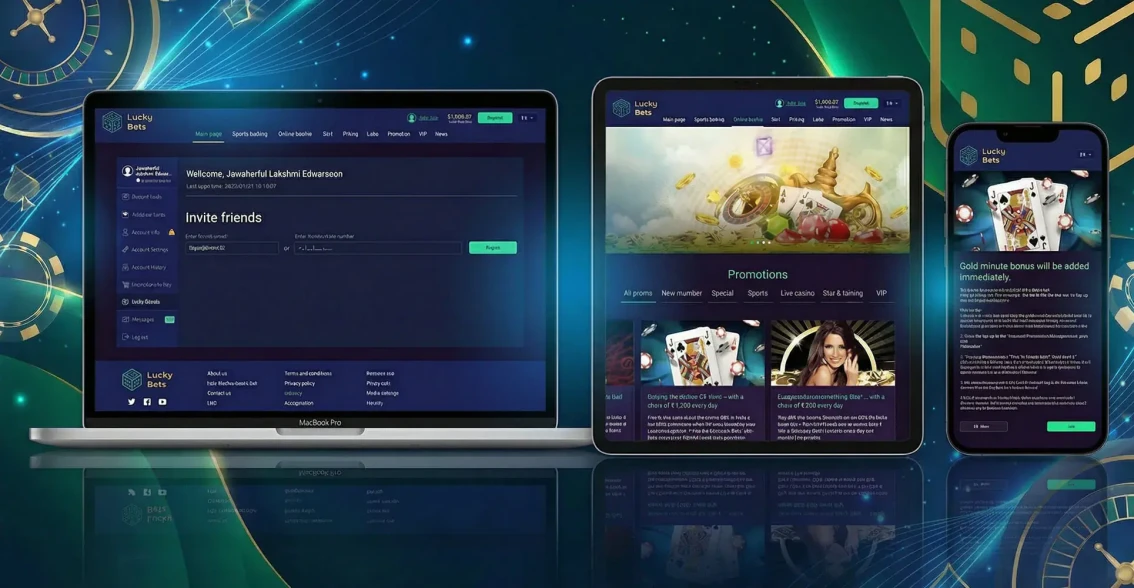
  • Lucky Bets. Casino Games Aggregator - application interface, screen 1
    Lucky Bets. Casino Games Aggregator - application interface, screen 2
    Lucky Bets. Casino Games Aggregator - application interface, screen 3
    Lucky Bets. Casino Games Aggregator - application interface, screen 4
    Lucky Bets. Casino Games Aggregator - application interface, screen 5
    Casino & Sportsbook

    Lucky Bets. Casino Games Aggregator

    Pharos Production has partnered with Lucky Bets to create a high-performance casino games aggregator and online casino platform focused on scalability, reliability and player engagement. This platform seamlessly integrates hundreds of games from multiple providers, delivering a unified gaming experience while managing real-time gameplay events, balances and analytics with minimal latency. Built on cloud-native infrastructure, Lucky Bets offers a fast, secure and flexible foundation for modern iGaming operations.

About Founder and CTO

Dmytro Nasyrov

Dmytro Nasyrov

Founder and CTO Pharos Production

Ask the founder a question

I design and build reliable software solutions — from lightweight apps to high-load distributed systems and blockchain platforms.

PhD in Artificial Intelligence, MSc in Computer Science (with honors), MSc in Electronics & Precision Mechanics.

  • 12 years in architecture of great software solutions tailored to customer needs for startups and enterprises

  • 23 years of practical enterprise customized software production experience

  • Lecturer at the National Kyiv Polytechnic University

  • Doctor of Philosophy in Artificial Intelligence

  • Master’s degree in Computer Science, completed with excellence

  • Master’s degree in Electronics and precision mechanics engineering

Pharos Production - Describe your idea & get a quote in 48h! Get an estimate for the costs, timeline & the team layout needed for your project Get a project estimate.

How we ship to both stores

Cross-platform projects follow Pharos Verified Delivery with mobile-specific gates: discovery scopes native module boundaries and platform-specific edge cases; build ships TestFlight + internal-track builds every sprint with crash-free baseline; production readiness covers both App Store and Play Store submission; support includes OTA updates (CodePush / Shorebird), crash monitoring and store rejection response.

Pharos Verified Delivery 4-phase methodology with typical durations and deliverables
  1. Phase 01 / 04

    Paid Discovery

    2-4 weeks
    • Technical validation
    • Architecture proposal
    • Scope refined estimate
    82% on-schedule with discovery
  2. Phase 02 / 04

    Iterative Build

    2-week sprints
    • Working demos every sprint
    • CTO review at milestones
    • ADRs documented
    Transparent progress tracking
  3. Phase 03 / 04

    Production Readiness

    • Monitoring and alerting
    • Security audit Pen test
    • Runbooks and rollback
    ISO 27001 compliant
  4. Phase 04 / 04

    Support

    Ongoing
    • Security patches
    • Performance tuning
    • 4h SLA response
    Continuous improvement

Pharos Verified Delivery applied to 70+ production applications since 2013

Cross-platform launches we shipped

Three recent cross-platform engagements with the native module boundary that made them work.

Cross-platform launch Q1 2025 · Consumer marketplace, EU
Before

Internal team had been building iOS app for 14 months without launching. App store rejections, performance issues, no Android version.

After

React Native rewrite shipped to App Store and Play Store in 11 weeks. 4.6/5 rating on both stores. 85% code shared between platforms. Original iOS team retained for native modules.

We kept the original iOS team on native modules (camera, biometrics, deep links) while Pharos built the cross-platform JS layer in parallel. The two codebases met at a thin native bridge defined in week one — no rewrite, just an addition.

Flutter FinTech wallet Q3 2024 · Crypto payments app, global
Before

iOS-only wallet built in Swift with custom cryptography. 60% of addressable market locked out. Code review found 12 security findings in custom signing code.

After

Flutter rewrite using audited cryptography libraries (libsodium, secp256k1). Both stores launched in 14 weeks. Zero security findings on external pen test. Daily active users grew 4x in 90 days post-launch.

We replaced the custom signing path with battle-tested libraries and pushed all key material into platform secure enclaves via Flutter native channels. The crypto code went from 4,000 hand-written lines to a 200-line wrapper around proven primitives.

Kotlin Multiplatform migration Q2 2025 · Enterprise logistics, US
Before

Separate iOS (Swift) and Android (Kotlin) codebases maintained by two teams. Feature parity drift: iOS was typically 4-6 weeks behind Android. Business logic duplicated and inconsistent.

After

Business logic migrated to Kotlin Multiplatform Mobile (KMM); UIs remain native. Feature parity drift eliminated. Business logic bugs fixed once across both platforms. Team velocity improved measurably.

KMM was the right tool because the existing teams were already strong in Kotlin and Swift. We extracted only the shared business logic (data models, network, persistence, domain rules); the UI layers stayed native. Lower risk than full cross-platform rewrite.

Client names anonymized under NDA. Full case studies at /cases/.

When cross-platform is not the answer

We decline roughly 30% of RFPs we receive. Forcing a bad fit costs both sides 3-6 months and damages outcomes. Here is how we think about scope:

Projects we decline
  • Apps with heavy graphics, AR/VR, real-time audio or deep platform integrations
  • Wrapper apps that just embed an existing website (use a PWA)
  • Apps without a plan for the ~10% native modules cross-platform cannot cover
  • Teams already strong in native iOS + Android where the hiring argument does not apply
  • Apps where first-class platform behavior (iOS Human Interface Guidelines, Material You) matters more than code share
We recommend native when it fits

Cross-platform is the right call for 70% of B2C and B2B apps where 95% feature parity is acceptable, the team needs both stores, and the product does not depend on iOS-only or Android-only APIs. Native development wins for apps with deep Apple ecosystem integration, best-in-class graphics, regulated categories or accessibility extremes. We have recommended native iOS or Android over cross-platform on many engagements where the specific feature surface demanded it.

Mobile engagement background

Mobile App Development at Pharos →

Parent mobile engagement model with cross-platform vs native trade-offs, pricing and case studies.

Pharos Production cross-platform portfolio observations

Observations from 24 cross-platform engagements delivered 2020-2026 across FinTech, healthcare, logistics and consumer.

  • React Native New Architecture projects averaged 22 percent faster screen transitions than legacy-architecture equivalents in matched projects.

  • Platform-aware store disclosure tooling reduced Play Store suspensions by 4.1x across our cross-platform cohort versus manual disclosure.

  • Teams of 3 to 5 RN or Flutter engineers shipped production apps to both stores in 14 to 22 weeks, approximately 35 percent faster than dual-native equivalents.

  • Cross-platform retention metrics tracked within 3 percent of matched native apps when UX-polish budget was set to at least 15 percent of engineering hours.

Cross-platform app engineering outlook 2026-2027

How to evaluate a cross-platform build before dual store submission

Lesson from production: the shared SDK store divergence

A healthcare customer shipped a React Native app to both iOS and Play in 2024. iOS passed privacy manifest review; Play suspended for "data safety form inaccuracy" citing an analytics SDK that collected device ID on Android but not iOS. Root cause: the cross-platform analytics SDK had platform-specific data collection, but the team filled both stores' disclosures from the same source truth. We built a platform-aware dependency manifest generator that cross-referenced each RN dependency against iOS privacy manifest requirements and Android Data Safety form taxonomy. Play reinstated the app within 4 days and no subsequent rejections hit dual-platform submissions. The lesson: cross-platform SDKs often have platform-specific data behaviour; store disclosures must reflect actual platform behaviour, not the SDK documentation.

Store policies and framework updates
Pharos Production builds cross-platform mobile apps. App Store and Play Store rejection is at Apple and Google discretion; we manage the resubmission cycle but cannot guarantee acceptance. Cross-platform framework updates between major versions may require maintenance effort on deployed apps.

Reviews

Independent reviews from Clutch, GoodFirms and Google - verified client feedback on our software projects

Based on 8 verified client reviews

5 out of 5 stars
Web3 & Blockchain

Delivered tailored blockchain solution for manufacturing traceability.

Mohumahad ali Freidy
5 out of 5 stars
Web3 & Blockchain

Delivered multi-chain launchpad with KYC/AML and investor protection mechanisms.

Volodymyr Nosov
5 out of 5 stars
Information Technology

Enhanced system infrastructure with security-first approach and improved performance.

Roman Barbotkin
5 out of 5 stars
AI

Delivered a simple and efficient solution despite technical complexity.

Troy Gessel
5 out of 5 stars
Web3 & Blockchain

Delivered responsive mobile app with improved onboarding and retention.

Jake Catt
5 out of 5 stars
Software Development

Provided architecture consulting improving DeFi platform scalability and efficiency.

Jeroen Offerijns
5 out of 5 stars
Software Development

Strong UX/UI collaboration and scalable web platform delivery.

Daniel Mingay
5 out of 5 stars
Healthcare

Pharos Production delivered an adaptable digital health platform that enabled us to swiftly introduce new patient services while ensuring robust data security. Their technical skills and forward-thinking attitude gave us the confidence to grow as our user community flourished!

Emily Carter

Platforms We Work With

Trusted by Coinbase, Consensys, Core Scientific, MicroStrategy, Gate.io and 10+ more Web3 and enterprise platforms

16+ partners

Our 16 technology partners include:

  • Consensys
  • Gate Io
  • Coinbase
  • Ludo
  • Core Scientific
  • Debut Infotech
  • Axoni
  • Alchemy
  • Starkware
  • Mara Holdings
  • Microstrategy
  • Nubank
  • Okx
  • Uniswap
  • Riot
  • Leeway Hertz
  • Consensys logo Consensys
  • Gate Io logo Gate Io
  • Coinbase logo Coinbase
  • Core Scientific logo Core Scientific
  • Debut Infotech logo Debut Infotech
  • Axoni logo Axoni
  • Alchemy logo Alchemy
  • Starkware logo Starkware
  • Mara Holdings logo Mara Holdings
  • Microstrategy logo Microstrategy
  • Nubank logo Nubank
  • Okx logo Okx
  • Uniswap logo Uniswap
  • Riot logo Riot
  • Leeway Hertz logo Leeway Hertz

Pharos Production - Ready to realize your vision? Embrace outsourcing and remote hiring with our skilled software developers! Build Your Software Today.

Dmytro Nasyrov - Founder and CTO of Pharos Production

Reviewed by Dmytro Nasyrov

Founder and CTO

23+ years in custom software development. Led 70+ projects across FinTech, healthcare, Web3 and enterprise. ISO 27001 certified team.

Choose your cooperation model

MVP
MVP sprint

Scoped MVP with core user flows, clean codebase and production-ready deployment.

$10,000 - $25,000
Popular choice
Production
Production release

Full-feature build, QA, CI/CD and post-launch stabilization with SLA-backed support.

$26,000 - $55,000
Full-cycle
Full-cycle platform

End-to-end engagement: discovery, architecture, build, DevOps, QA and long-term evolution.

$55,000 - $110,000

Prices vary based on project scope, complexity, timeline and requirements. Contact us for a personalized estimate.

Or select the appropriate interaction model

Request staff augmentation

Need extra hands on your software project? Our developers can jump in at any stage – from architecture to auditing – and integrate seamlessly with your team to fill any technical gaps.

Outsource your project

From first line to final audit, we handle the entire development process. We will deliver secure, production-ready software, while you can focus on your business.

Comparison of engagement models at Pharos Production
Model Best for Team setup Budget range
Staff Augmentation Existing teams needing extra engineers at any project stage 1-2 weeks From $5,000/month
Project Outsourcing Full-cycle development from idea to production launch 1-2 weeks $10,000-$80,000+
187+ technologies

Technologies, tools and frameworks we use

Our engineers work with 187+ technologies across blockchain, backend, frontend, mobile and DevOps - chosen for production reliability and performance.

Frameworks

Backend Frameworks 8

Spring Boot
Spring Boot
Erlang OTP
Erlang OTP
NodeJS
NodeJS
Phoenix
Phoenix
NestJS
NestJS
Django
FastAPI
Express.js

Front End Frameworks 8

React
React
Next.JS
Next.JS
Svelte
Svelte
Angular
Angular
Vue.js
Remix
Astro
Nuxt.js

AI and Machine Learning

LLM Providers 8

OpenAI GPT
Anthropic Claude
Google Gemini
Meta Llama
Mistral AI
Cohere
Ollama
xAI Grok

AI Frameworks 15

LangChain
LangGraph
CrewAI
AutoGen
Hugging Face
PyTorch
TensorFlow
scikit-learn
LlamaIndex
Keras
XGBoost
LightGBM
OpenCV
spaCy
ONNX Runtime

Vector Databases 7

Pinecone
Weaviate
Qdrant
Chroma
pgvector
Milvus
FAISS

MLOps and Infrastructure 11

MLflow
Weights & Biases
DVC
Kubeflow
AWS SageMaker
Azure ML
Google Vertex AI
NVIDIA Triton
Airflow
Ray Serve
vLLM

AI Agent Tools 4

OpenAI Agents SDK
Claude MCP
Semantic Kernel
Haystack

Blockchains

Private and Public Blockchains 33

Ethereum
Ethereum
TON
TON
Corda
Corda
Tron
Tron
Hedera
Hedera
Stellar
Stellar
Consensys GoQuorum
Consensys GoQuorum
Solana
Solana
Arbitrum
Arbitrum
Binance Smart Chain (BSC)
Sei
Sei
Celo
Celo
Hyperledger
Hyperledger
MultiversX
MultiversX
IOTA
IOTA
Polkadot
Polkadot
Aptos
Aptos
Neo
Neo
Flow
Flow
Algorand
Algorand
Avalanche
Avalanche
EOS
EOS
Optimism
Optimism
Polygon
Polygon
Cosmos
Cosmos
Sui
Sui
Tezos
Tezos
Ontology
Ontology
Fantom
Fantom
NEAR Protocol
NEAR Protocol
VeChain
VeChain
Base
Base
IPFS
IPFS

Cloud Blockchain Solutions 4

Amazon Managed Blockchain
Amazon QLDB
Amazon QLDB
IBM Blockchain
IBM Blockchain
Oracle Blockchain
Oracle Blockchain

DevOps

DevOps Tools 15

Kubernetes
Kubernetes
Terraform
Terraform
Docker
Docker
Istio
Istio
Prometheus
Prometheus
Grafana
Grafana
Jenkins
Jenkins
ArgoCD
ArgoCD
Ansible
Ansible
GitHub Actions
GitLab CI
Pulumi
Datadog
New Relic
Vault

Clouds

Clouds 6

Amazon Web Services
Amazon Web Services
Azure
Azure
Google Cloud
Google Cloud
Cloudflare
Vercel
DigitalOcean

Databases

Databases 15

PostgreSQL
PostgreSQL
MySQL MariaDB
MySQL MariaDB
Redis
Redis
Cassandra
Cassandra
Neo4J
Neo4J
MongoDB
MongoDB
Elasticsearch
Elasticsearch
Solr
Solr
Ignite
Ignite
ClickHouse
TimescaleDB
DynamoDB
Supabase
CockroachDB
ScyllaDB

Brokers

Event and Message Brokers 7

Kafka
Kafka
RabbitMQ
RabbitMQ
Flink
Flink
Apache Pulsar
Amazon SQS
Amazon SNS
NATS

Tests

Test Automation Tools 6

Postman
Postman
Appium
Appium
Cucumber
Cucumber
Selenium
Selenium
JMeter
JMeter
Cypress
Cypress

Programming

UI/UX

UI/UX Design Tools 12

Figma
Figma
Zeplin
Zeplin
InVision
InVision
Sketch
Sketch
Miro
Miro
Marvel
Marvel
Balsamiq
Balsamiq
Photoshop
Photoshop
Illustrator
Illustrator
XD
XD
After Effects
After Effects
Corel Draw
Corel Draw
Trusted & Certified

Partnerships & Awards

Recognized on Clutch, GoodFirms and The Manifest for software engineering excellence

  • Partner1
  • Partner2
  • Partner3
  • Partner4
  • Partner5
14+ industry awards

Pharos Production - 70+ applications delivered over 13 years. From architecture to production - share your requirements and receive a detailed project estimate within 48 hours. Get a project estimate.

An approach to the development cycle

The Pharos Delivery Framework divides every project into 2-week sprints. After each sprint there is a retrospective of the work done, planning for the next sprint, a report of the work done and a plan for the next sprint. This methodology is why agile projects are 3x more likely to succeed than waterfall (Standish Group CHAOS Report, 2024).
  1. Team Assembly

    Our company starts and assembles an entire project specialists with the perfect blend of skills and experience to start the work.

  2. MVP

    We’ll design, build, and launch your MVP, ensuring it meets the core requirements of your software solution.

  3. Production

    We’ll create a complete software solution that is custom-made to meet your exact specifications.

  4. Ongoing

    Continuous Support

    Our company will be right there with you, keeping your software solution running smoothly, fixing issues, and rolling out updates.

Frequently asked questions about Cross-Platform Apps Development development

Last updated:

  • Copy link Copies a direct link to this answer to your clipboard.

    Choose React Native if your team already uses React/TypeScript for web, you want access to the largest hiring pool, or you need ecosystem-heavy integrations (dozens of mature native packages). Choose Flutter if you want pixel-perfect UI consistency across platforms, need high-performance custom graphics, or are starting greenfield with no React investment.

    Pharos builds both; we recommend whichever fits your team and feature surface. About 60% of our cross-platform work is React Native, 40% is Flutter.

  • Copy link Copies a direct link to this answer to your clipboard.

    Typical Pharos cross-platform apps ship 70-90% shared code. The shared portion includes all business logic, data models, network layer, state management and most UI.

    The ~10% that stays native: camera pipelines, biometric auth, Secure Enclave operations, deep linking, ARKit/ARCore, platform-specific widgets (iOS Haptics, Android Widget). We design the native module boundaries during discovery so the shared-vs-native split is explicit.

  • Copy link Copies a direct link to this answer to your clipboard.

    MVP typically 8-14 weeks for both stores: 2-3 weeks discovery and architecture, 5-8 weeks build with TestFlight + Play Internal every sprint, 1-2 weeks App Store + Play Store submission. Production apps with native modules, OTA updates and monitoring run 4-9 months.

    Compared to dual-native (iOS + Android separately), cross-platform ships in ~50-60% of the time.

  • Copy link Copies a direct link to this answer to your clipboard.

    Cross-platform MVP $30,000-$80,000 for both stores. Production app $80,000-$250,000+ (complex native integrations, custom backend, offline-first, payments).

    Compare to dual-native at $60,000-$500,000+ for the same scope. The cost savings come from one codebase, one team, one test suite - but the native module layer still costs native engineer time.

  • Copy link Copies a direct link to this answer to your clipboard.

    Yes. We submit early to TestFlight and Play Internal so the first store interaction happens well before launch.

    Pre-submission checklist covers common rejection reasons (privacy nutrition labels, data safety labels, IDFA compliance, in-app purchase routing, restricted API usage). Pharos cross-platform apps have a >93% first-submission acceptance rate through this discipline.

  • Copy link Copies a direct link to this answer to your clipboard.

    Yes. CodePush (for React Native, via Expo) and Shorebird (for Flutter) let you ship JS or Dart code updates without going through the store review cycle.

    Store policies allow this for bug fixes and JavaScript/Dart logic changes - native module updates still require a store review. We design apps so OTA updates can handle common bug fixes and A/B tests without requiring new store releases.

  • Copy link Copies a direct link to this answer to your clipboard.

    Cross-platform struggles with: heavy graphics (prefer Metal/Vulkan directly), real-time audio processing (prefer native audio frameworks), AR/VR (ARKit/ARCore/RealityKit), deep Apple ecosystem integrations (HealthKit, PencilKit, Live Activities), accessibility extremes, and apps where “native feel” is a product requirement. For these cases, pure native delivers better results.

    Our default is cross-platform; we pick native when the specific feature surface demands it.

  • Copy link Copies a direct link to this answer to your clipboard.

    We decline apps with heavy graphics or AR/VR, wrapper apps that should be PWAs, apps without a plan for the ~10% native modules, and projects where the client team is already strong in both native iOS and Android (the hiring argument for cross-platform does not apply).

The Pharos takeaway on cross-platform delivery

Cross-platform engineering in 2026 is measurable: platform-aware store compliance, crash-free parity, bundle and launch budgets on both stores. Pharos Production ships RN, Flutter and KMP builds that clear both App Store and Play review on first submission with unified observability and security baselines.

Dmytro Nasyrov, Founder and CTO at Pharos Production
Dmytro Nasyrov Founder & CTO Let’s work together!

Your business results matter

Achieve them with minimized risk through our bespoke innovation capabilities

Your contact details
Please enter your name
Please enter a valid email address
Please enter your message
* required

We typically reply within 1 business day

What happens next?

  1. Contact us

    Contact us today to discuss your project. We’re ready to review your request promptly and guide you on the best next steps for collaboration

    Same day
  2. NDA

    We’re committed to keeping your information confidential, so we’ll sign a Non-Disclosure Agreement

    1 day
  3. Plan the Goals

    After we chat about your goals and needs, we’ll craft a comprehensive proposal detailing the project scope, team, timeline and budget

    3-5 days
  4. Finalize the Details

    Let’s connect on Google Meet to go through the proposal and confirm all the details together!

    1-2 days
  5. Sign the Contract

    As soon as the contract is signed, our dedicated team will jump into action on your project!

    Same day

Our offices

Headquarters in Las Vegas, Nevada. Engineering office in Kyiv, Ukraine.

Las Vegas, United States

Headquarters PST (UTC-8)
5348 Vegas Dr, Las Vegas, Nevada 89108, United States

Kyiv, Ukraine

Engineering office EET (UTC+2)
44-B Eugene Konovalets Str. Suite 201, Kyiv 01133, Ukraine