Skip to content

Reviewed by Dr. Dmytro Nasyrov, Founder and CTO • Last updated April 24, 2026

Front-end Development

We design fast, responsive and visually appealing user interfaces using modern front-end technologies like React, Vue and Angular.

  • 90+ engineers
  • 18 industries
  • 13+ years in business

Your business results matter

Achieve them with minimized risk through our bespoke innovation capabilities

Your contact details
Please enter your name
Please enter a valid email address
Please enter your message
* required

We typically reply within 1 business day

We design fast, responsive and visually appealing user interfaces using modern front-end technologies like React, Vue and Angular. Our team aims to deliver seamless user experiences, enhance performance and develop scalable architectures tailored to your product's requirements.

Reviewed and updated
Last reviewed by Dmytro Nasyrov, Founder and CTO. Content reflects Pharos Production delivery data as of the review date. Editorial policy.

What is frontend development?

Frontend development is the engineering of the user-facing layer of web applications: HTML, CSS, JavaScript/TypeScript, framework code (React, Next.js, Vue, Svelte), state management, accessibility, performance optimization and the build pipeline that ships it to browsers and CDNs. Modern frontend work spans server-rendered apps (Next.js, Remix), single-page apps (Vite + React), static-first sites (Astro, 11ty), design systems and component libraries, and the testing and tooling that keeps it shipping. Pharos delivers production frontends optimized for Core Web Vitals, accessibility (WCAG 2.1 AA) and long-term maintainability.
Authoritative citations 12 sources
  1. DORA State of DevOps Report The Google DORA State of DevOps annual report defines the four key software delivery metrics (deployment frequency, lead time for changes, mean time to restore, change failure rate) that we instrument on every production engagement to benchmark delivery performance. dora.dev
  2. Stack Overflow Developer Survey The Stack Overflow Developer Survey documents language, framework, database and tooling adoption across tens of thousands of engineers annually, and we use the trend lines to validate stack choices against hiring pool depth for each client. survey.stackoverflow.co
  3. ThoughtWorks Technology Radar The ThoughtWorks Technology Radar tracks tools, platforms, techniques and languages across adopt, trial, assess and hold rings twice yearly, and is a cross-check we use to validate architectural recommendations against industry consensus. thoughtworks.com
  4. Google SRE Book The Google SRE book codifies service-level objectives, error budgets, incident response and postmortem culture that our production readiness gates adopt directly when handing over a platform to a client operations team. sre.google
  5. Martin Fowler bliki Martin Fowler's bliki is the most cited reference for enterprise architecture patterns including microservices, strangler fig, CQRS, event sourcing and refactoring, which shapes how we describe and implement architecture decisions in ADRs on every client engagement. martinfowler.com
  6. Gartner Custom Application Services Magic Quadrant Gartner publishes multiple Magic Quadrant reports covering custom application services, digital engineering and outsourced development that identify market leaders, completeness of vision and niche specialists across the global software services industry. gartner.com
  7. ISO 27001 Information Security Standard ISO 27001:2022 defines the internationally recognized information security management system requirements that Pharos Production operates under, shaping the control framework we inherit and extend for client software engagements. iso.org
  8. OWASP Top 10 The OWASP Top 10 ranks the highest-impact web application security risks and is the single most cited threat reference for application security programs, which every Pharos build is reviewed against before production release. owasp.org
  9. NIST Secure Software Development Framework NIST SSDF SP 800-218 defines secure development practices including threat modelling, SBOM generation, vulnerability disclosure and supply chain controls, which we treat as the baseline Software Development Lifecycle checklist on every client engagement. csrc.nist.gov
  10. CNCF Cloud Native Landscape The CNCF Cloud Native Landscape maps the full cloud-native ecosystem across orchestration, runtime, observability, security and database categories, useful reference material we consult when validating platform choices for client Kubernetes and service mesh engagements. landscape.cncf.io
  11. Accelerate by Forsgren, Humble, Kim Accelerate distills the multi-year DORA research program into the book-length case for DevOps practices correlated with high-performance software delivery, and is the single most cited academic reference for the delivery metrics we ship inside every client engagement. itrevolution.com
  12. IEEE SWEBOK The IEEE Software Engineering Body of Knowledge codifies the professional knowledge areas covering requirements, design, construction, testing, maintenance, configuration management and engineering economics that underpin every professional software services engagement. computer.org
What we do not do:
  • Static marketing sites where Webflow, Framer or Astro would ship in days
  • Frontend rewrites for "modernization" without a measured user or maintenance problem
  • Pixel-perfect copies of designs without a design system in place
  • Component libraries built before the second consumer exists (avoid premature abstraction)

Services

Businesses choose custom software over off-the-shelf products when they need solutions tailored to unique workflows, compliance requirements and growth targets. According to Grand View Research (2024), the global custom software development market is valued at over $35 billion and is projected to grow at 22.3% CAGR through 2030. Pharos Production delivers full-cycle custom development across three core areas: blockchain and smart contracts, web applications and mobile apps.

  • HTML/CSS Responsive Development

    We create responsive, pixel-perfect layouts that smoothly adapt to all screen sizes. Our method guarantees quick-loading interfaces while keeping a consistent appearance across devices.

    Explore HTML/CSS Responsive Development
  • JavaScript and TypeScript Engineering

    We create dynamic, scalable front-end features using modern JavaScript and TypeScript, leading to reliable, maintainable codebases that support long-term product growth.

    Explore JavaScript and TypeScript Engineering
  • React and Next.js Application Development

    We develop high-performance, interactive interfaces with React and Next.js, leveraging server-side rendering and optimized component structures. This method delivers fast user experiences and boosts SEO performance.

    Explore React and Next.js Application Development
  • Angular Front-End Architecture

    We create enterprise-level applications with Angular, focusing on modular design and robust typing. This approach guarantees predictable growth and easy maintenance for complex systems.

    Explore Angular Front-End Architecture
  • Svelte and SvelteKit Application Development

    We build ultra-fast interfaces using Svelte and SvelteKit, reducing runtime overhead. This results in smoother animations, quicker load times and cleaner code.

    Explore Svelte and SvelteKit Application Development
  • UI/UX Prototyping and Component Design

    We design user-friendly interfaces and reusable UI components that enhance usability and maintain visual consistency. Prototypes allow you to validate the user flow and experience before development starts.

    Explore UI/UX Prototyping and Component Design
  • Front-End Performance Optimization

    We optimize your application to decrease load times, reduce bundle sizes and enhance rendering speed. This ensures a smoother experience for users, even on lower-end devices.

    Explore Front-End Performance Optimization
  • Cross-Browser and Cross-Device Compatibility Testing

    We thoroughly test interfaces on different devices, operating systems and browsers. This guarantees consistent performance and look for all users, no matter the platform.

    Explore Cross-Browser and Cross-Device Compatibility Testing

JS framework (React/Next/Vue) vs static-first (Astro/11ty): which is better?

JS frameworks (React, Next.js, Vue, Nuxt) excel at rich client-side interactivity and shared state across views, while static-first generators (Astro, 11ty, Eleventy) ship the fastest possible content sites with minimal JavaScript. According to the 2024 Web Almanac, sites built with static-first frameworks have a median LCP 38% lower than JS-framework sites — for content-heavy pages, less code is more performance.

Factor JS framework (React / Next / Vue) Static-first (Astro / 11ty)
Interactivity Rich client-side state, real-time updates, complex forms Limited islands of interactivity; mostly static HTML
Performance Tunable; SSR + RSC achieves 1-2s LCP with discipline Best-in-class out of the box; <1s LCP common
SEO Strong with SSR; SPA-only frameworks struggle without SSR Excellent; static HTML indexes immediately
Build complexity Higher; build pipeline, server runtime, deployment infrastructure Lower; static files deploy to any CDN
Hiring pool Largest; React engineers everywhere Smaller; Astro/11ty experience less common
Cost (year 1) $15,000-$180,000+ depending on scope $5,000-$30,000 for most marketing/content sites
Time to launch 4 weeks to 6 months Days to a few weeks for content sites
Best fit SaaS dashboards, marketplaces, social, real-time apps, admin tools Marketing sites, blogs, docs sites, content-heavy SEO targets

Frontend development at Pharos Production at a glance

  • Frontends shipped: 50+ production frontends since 2014 across SaaS, marketplaces, healthcare, FinTech and consumer apps
  • Stack: React, Next.js, Vue, Nuxt, Svelte, Astro, TypeScript, Tailwind, CSS Modules, Storybook
  • Standards: WCAG 2.1 AA accessibility, Core Web Vitals on field metrics, performance budgets enforced in CI
  • Pricing: Frontend MVP from $15,000-$50,000; full product frontend $50,000-$180,000+; design system from $25,000
  • Timeline: Discovery 1-2 weeks; MVP 4-8 weeks; full product frontend 3-6 months
  • Quality gates: Storybook coverage, axe-core CI, Lighthouse budget, visual regression tests, cross-browser smoke suite
  • Cooperation: Greenfield builds, design system rollouts, performance + accessibility audits, framework migrations
  • Honest scope: We recommend Astro/Webflow/Framer for static sites and decline speculative component libraries

Our Software Development Expertise

Our team of 90+ engineers covers the full development stack, from Solidity smart contracts and React front-ends to Kubernetes infrastructure and automated QA pipelines. Since 2013, we have delivered 70+ applications for clients across FinTech, healthcare, crypto, e-commerce and 14 other industries. Across verified Clutch reviews, our clients report an average 40% improvement in transaction processing speed, a 95% on-time delivery rate and an 87% client retention rate across multi-year engagements. Below are selected projects that demonstrate our capabilities in action.

  • Taxi Aggregator App - application interface, screen 1
    Taxi Aggregator App - application interface, screen 2
    Social

    Taxi Aggregator App

    Pharos Production collaborated with a taxi aggregator platform to develop a high-load ride-hailing application that connects passengers and drivers in real time. This platform consolidates various fleets and independent drivers into a single system, ensuring quick ride matching, live tracking and transparent pricing. Built on a cloud-native infrastructure, the solution offers low-latency interactions, reliable trip processing and scalability for operations at the city and regional levels.

  • Sagas. Time-lapse Social Network - application interface, screen 1
    Sagas. Time-lapse Social Network - application interface, screen 2
    Sagas. Time-lapse Social Network - application interface, screen 3
    Sagas. Time-lapse Social Network - application interface, screen 4
    Sagas. Time-lapse Social Network - application interface, screen 5
    Sagas. Time-lapse Social Network - application interface, screen 6
    Social

    Sagas. Time-lapse Social Network

    Pharos Production has partnered with Sagas to create a location-aware social platform that enables users to capture, publish, and explore geo-located timelapses over time. This system combines real-time data ingestion, large-scale media processing, and map-centric discovery to transform physical locations into dynamic digital stories. Leveraging cloud-native infrastructure and event-driven architecture, Sagas allows users to document urban changes, natural evolution, and personal moments tied to specific places. The result is a scalable social network where time and location are central to content discovery.

  • Pulse. Social Network With Prizes - application interface, screen 1
    Pulse. Social Network With Prizes - application interface, screen 2
    Pulse Social Network - Community commerce platform by Pharos Production
    Social

    Pulse. Social Network With Prizes

    Pharos Production has partnered with Pulse to create a community-driven social network that connects users with local stores through challenges, engagement activities, and real-world prizes. This platform transforms everyday local interactions into interactive experiences, enabling users to earn rewards from participating merchants. Built on a scalable, event-driven architecture, Pulse facilitates real-time interactions between users and businesses and supports rapid growth across cities and regions.

  • Pleenk. Secure Payments Platform - application interface, screen 1
    Pleenk. Secure Payments Platform - application interface, screen 2
    Pleenk. Secure Payments Platform - application interface, screen 3
    Banking

    Pleenk. Secure Payments Platform

    Pharos Production has partnered with Pleenk to build a secure, scalable payments platform for fast transactions, fraud prevention and seamless integration with digital products. The platform processes payment flows in real time while maintaining high levels of security, transparency and reliability for both businesses and end users. Built on cloud-native infrastructure and an event-driven architecture, Pleenk provides a strong foundation for modern digital payments.

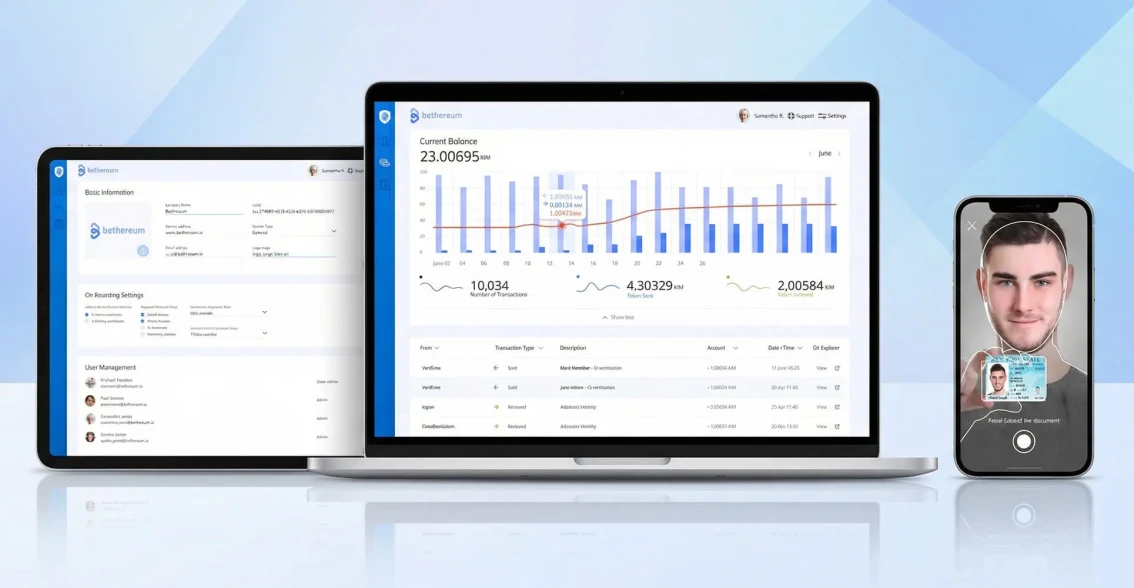
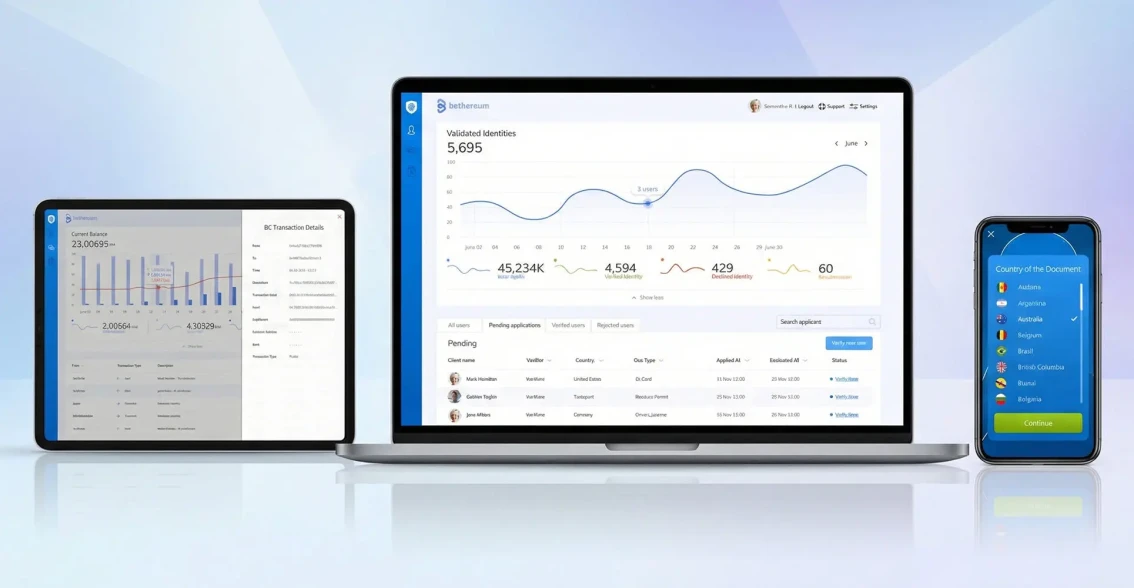
  • Nextcheck, the KYC Platform - application interface, screen 1
    Nextcheck, the KYC Platform - application interface, screen 2
    Nextcheck, the KYC Platform - application interface, screen 3
    Nextcheck, the KYC Platform - application interface, screen 4
    Banking

    Nextcheck, the KYC Platform

    Pharos Production partnered with Nextcheck to replace outdated, manual onboarding with a secure, automated KYC/AML platform. Built on AWS, Kubernetes, Istio, Elixir, RabbitMQ, PostgreSQL and NextJS, the platform provides real-time biometric and document verification, risk assessment and compliance reporting. Since 2019, Nextcheck has reduced onboarding time by 60%, cut manual labor by 70% and expanded to support thousands of checks at once. Today, it powers global banks, fintechs and crypto firms with a cloud-native, regulation-ready, growth-oriented compliance platform.

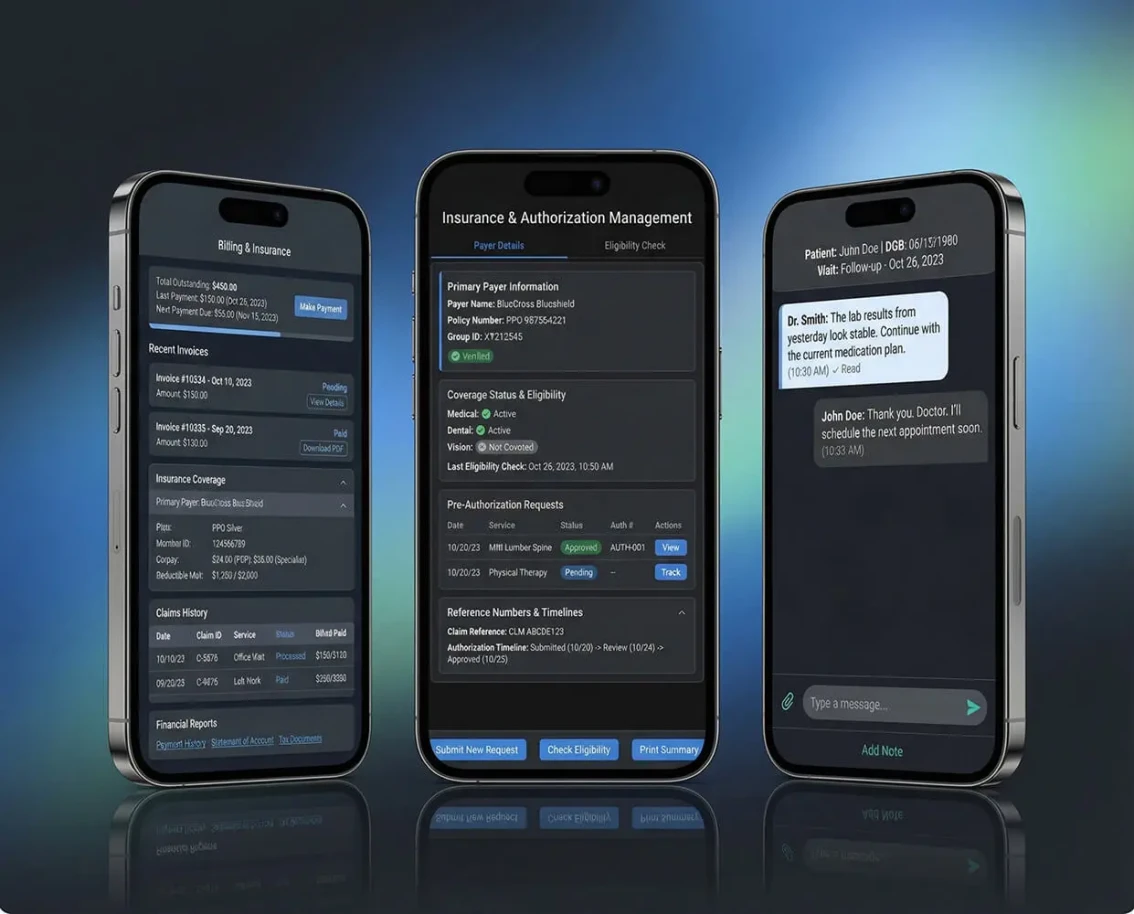
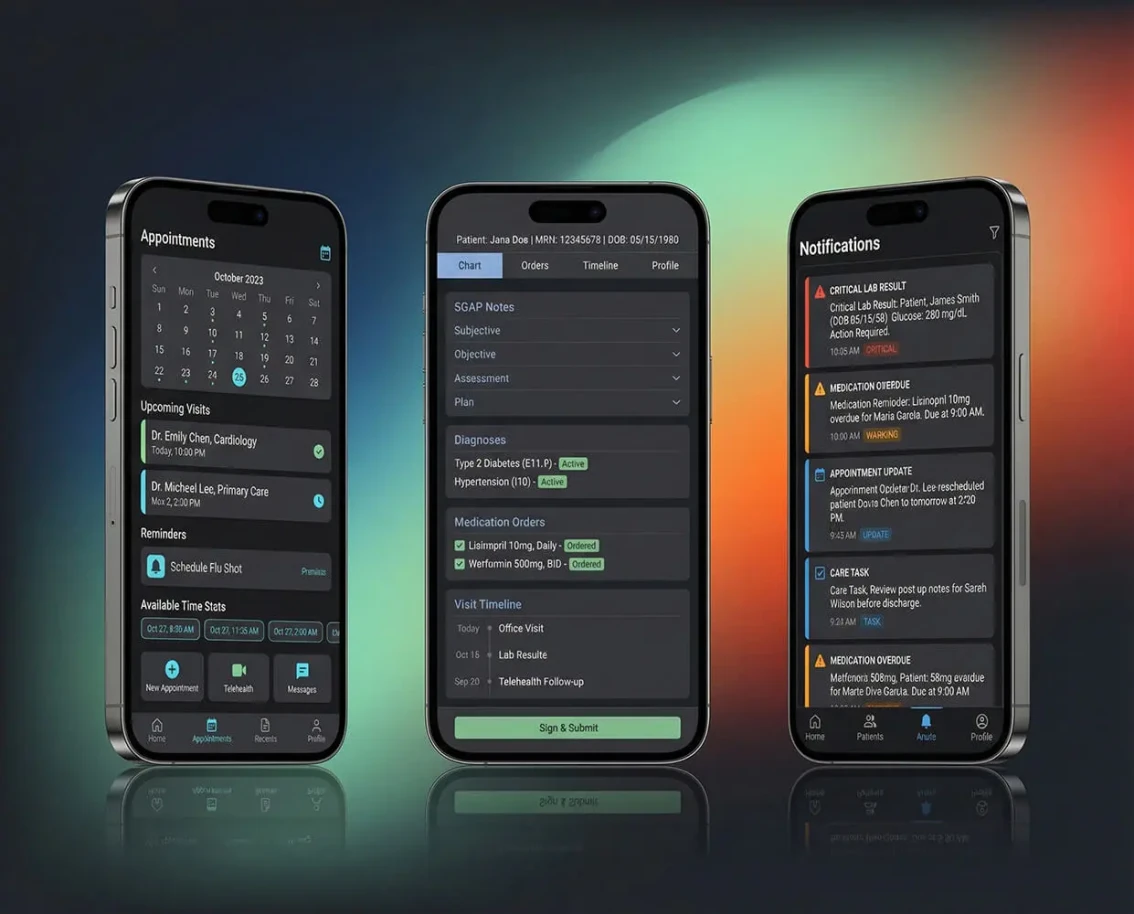
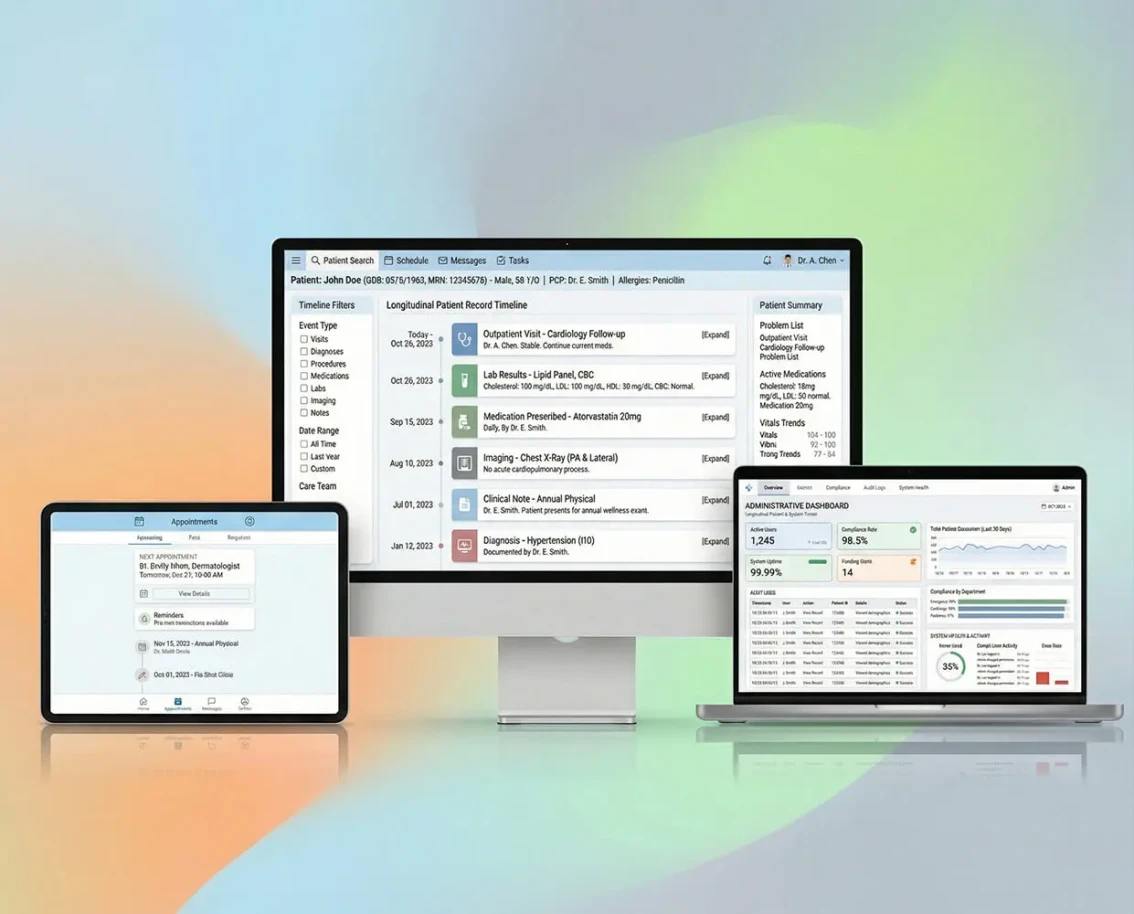
  • MedCore EHR platform - clinical notes and patient timeline
    MedCore EHR platform - patient vitals monitoring dashboard
    MedCore EHR platform - HL7 FHIR data exchange interface
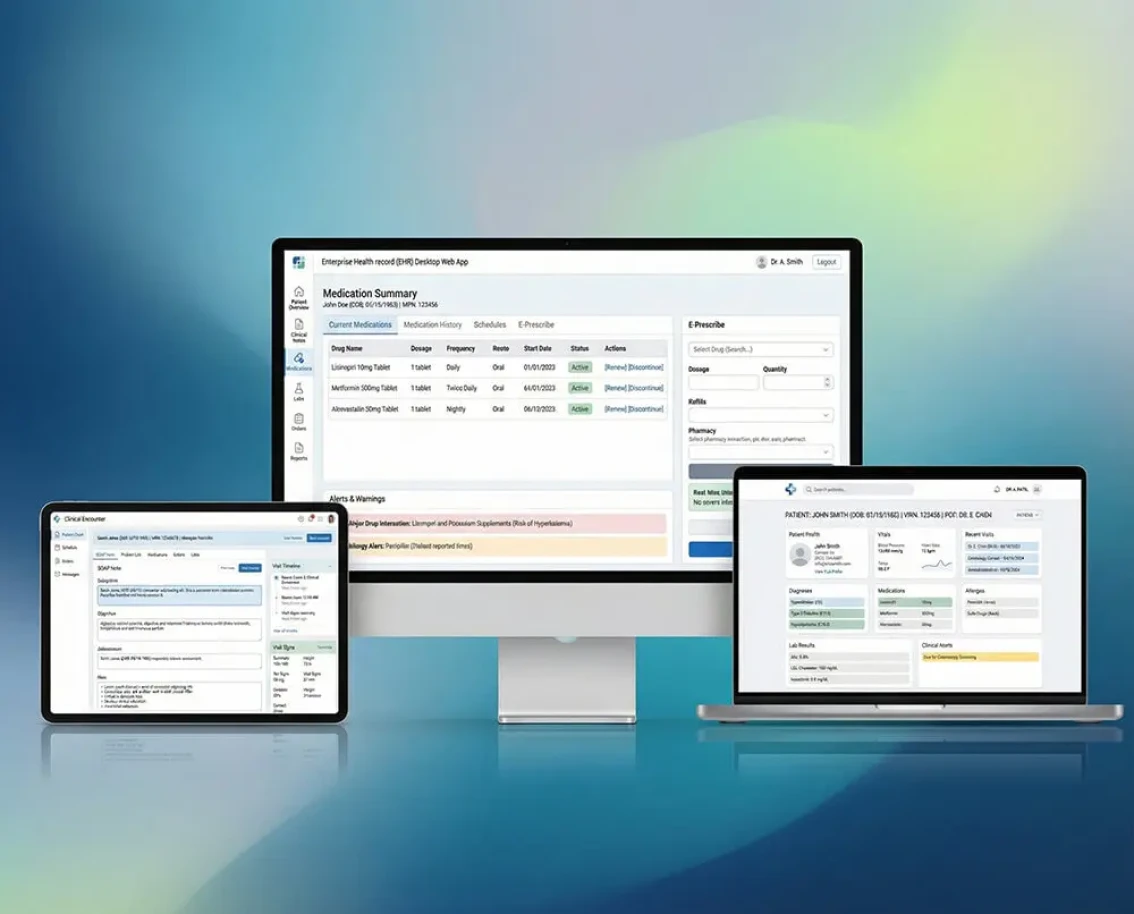
    MedCore EHR platform - prescription and medication management
    MedCore EHR platform - clinical decision support alerts
    MedCore EHR platform - reporting and analytics dashboard
    Healthcare

    MedCore EHR Platform

    Pharos Production partnered with a healthcare organization to design and build MedCore, a comprehensive electronic health record platform that centralizes patient data, streamlines clinical workflows and ensures regulatory compliance. The system unifies medical records, clinical documentation, diagnostics and administrative processes within a secure, scalable digital environment. Built on a cloud-native architecture, MedCore delivers reliable performance, real-time data access and long-term scalability for healthcare providers operating at clinic, hospital and network levels.

  • Kimlic. Blockchain-based KYC - application interface, screen 1
    Kimlic. Blockchain-based KYC - application interface, screen 2
    Kimlic. Blockchain-based KYC - application interface, screen 3
    Banking

    Kimlic. Blockchain-based KYC

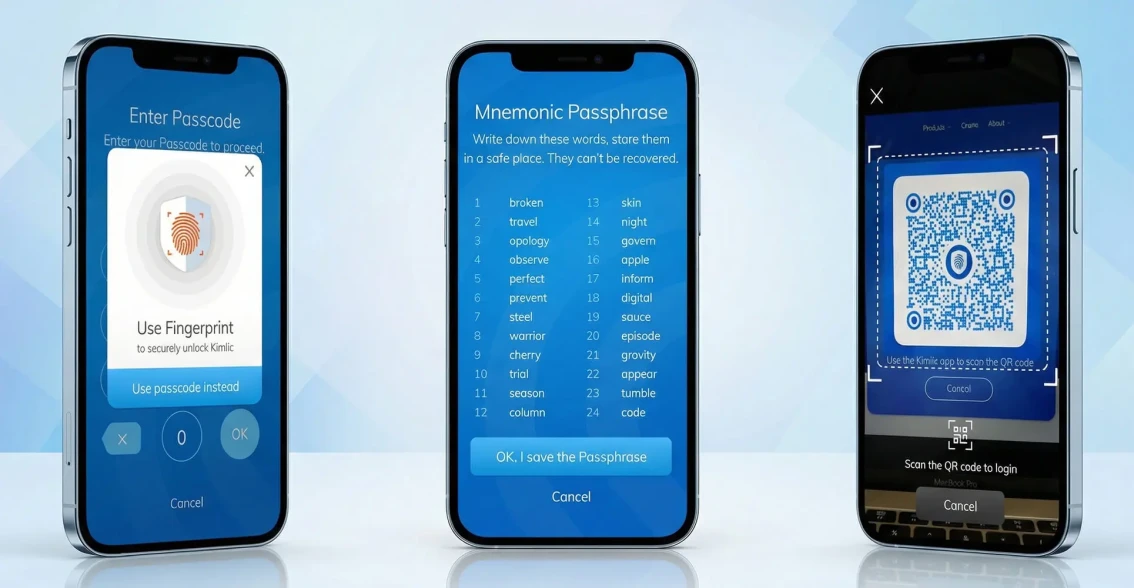
    Pharos Production has partnered with Kimlic to develop a blockchain-based Know Your Customer (KYC) and digital identity platform. This platform ensures that user verification is secure, reusable and privacy-preserving across Web3 and fintech ecosystems. Users can verify their identity once and then securely share proof with multiple services without exposing sensitive personal information. Built on cloud-native infrastructure and equipped with real-time data pipelines, Kimlic provides compliant identity verification at scale while allowing users to retain control over their data.
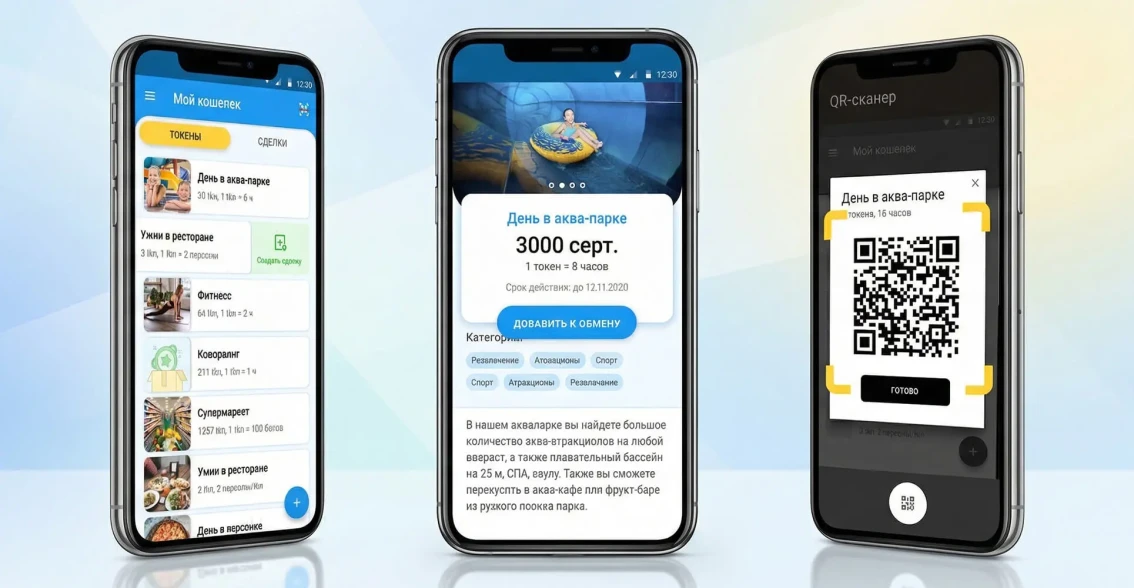
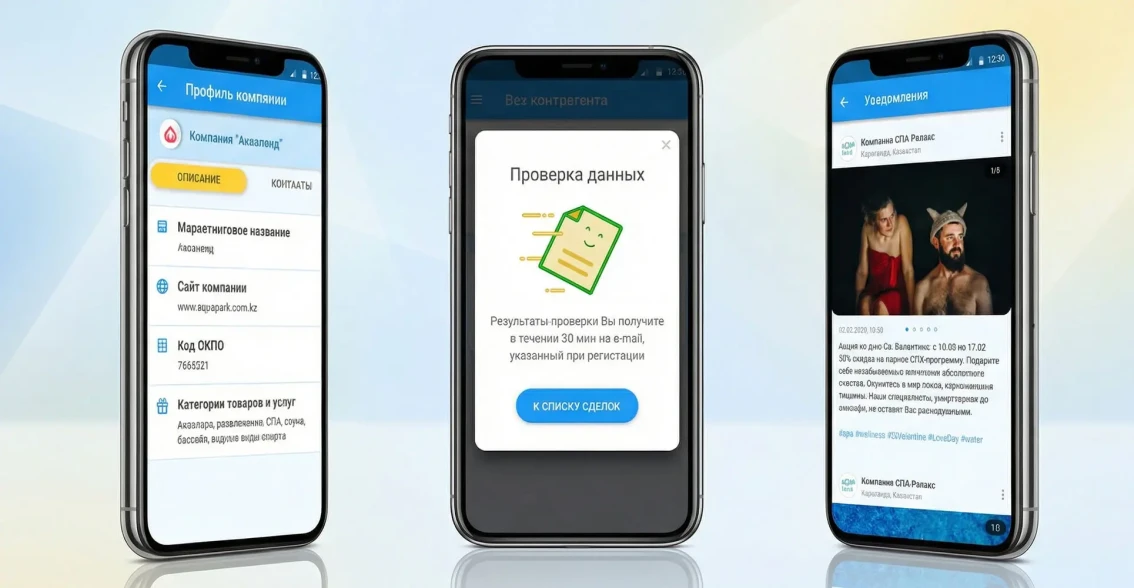
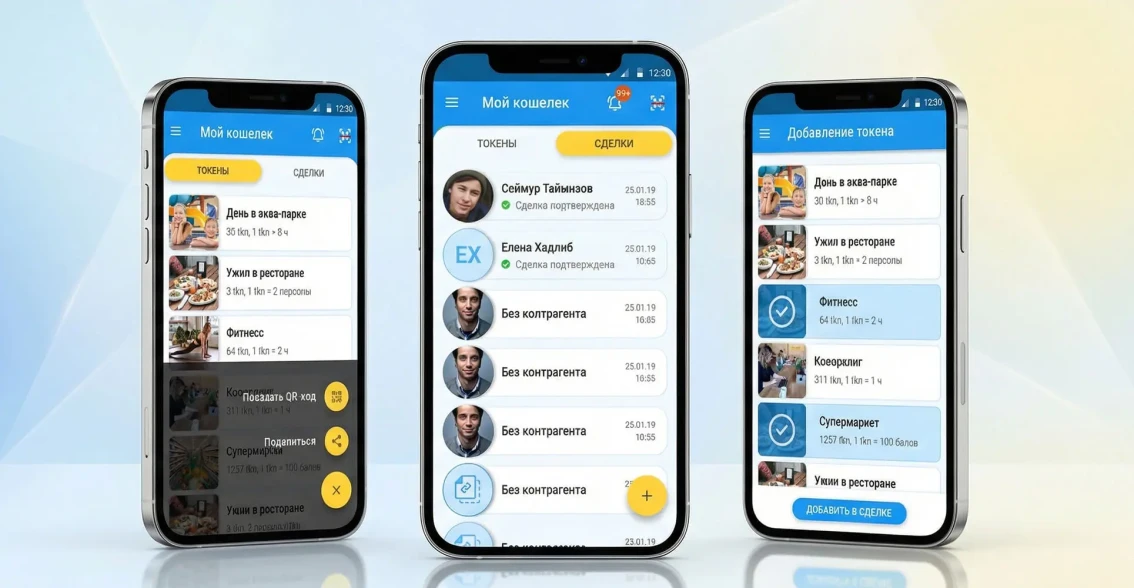
  • Dostyq blockchain loyalty platform - screenshot 1
    Dostyq blockchain loyalty platform - screenshot 2
    Dostyq blockchain loyalty platform - screenshot 3
    E-Commerce

    Dostyq. Loyalty Platform.
    Pharos Production partnered with Dostyq to create a modern loyalty and rewards platform that helps users collect, manage and exchange bonuses, gift certificates and cashback in one place. The app makes reward usage easier by enabling instant and secure transfers and redemptions. Since 2018, Dostyq has become a trusted shopping partner in Kazakhstan, increasing customer engagement and helping retailers strengthen loyalty programs on a large scale.

About Founder and CTO

Dmytro Nasyrov

Dmytro Nasyrov

Founder and CTO Pharos Production

Ask the founder a question

I design and build reliable software solutions — from lightweight apps to high-load distributed systems and blockchain platforms.

PhD in Artificial Intelligence, MSc in Computer Science (with honors), MSc in Electronics & Precision Mechanics.

  • 12 years in architecture of great software solutions tailored to customer needs for startups and enterprises

  • 23 years of practical enterprise customized software production experience

  • Lecturer at the National Kyiv Polytechnic University

  • Doctor of Philosophy in Artificial Intelligence

  • Master’s degree in Computer Science, completed with excellence

  • Master’s degree in Electronics and precision mechanics engineering

Pharos Production - Describe your idea & get a quote in 48h! Get an estimate for the costs, timeline & the team layout needed for your project Get a project estimate.

Our frontend delivery approach

Frontend projects follow Pharos Verified Delivery with UX-specific gates: discovery validates information architecture and design system audit; build includes Storybook component documentation and accessibility checks in CI; production readiness covers Core Web Vitals validation, cross-browser testing and performance budget enforcement; support includes accessibility audits and Lighthouse regression checks.

Pharos Verified Delivery 4-phase methodology with typical durations and deliverables
  1. Phase 01 / 04

    Paid Discovery

    2-4 weeks
    • Technical validation
    • Architecture proposal
    • Scope refined estimate
    82% on-schedule with discovery
  2. Phase 02 / 04

    Iterative Build

    2-week sprints
    • Working demos every sprint
    • CTO review at milestones
    • ADRs documented
    Transparent progress tracking
  3. Phase 03 / 04

    Production Readiness

    • Monitoring and alerting
    • Security audit Pen test
    • Runbooks and rollback
    ISO 27001 compliant
  4. Phase 04 / 04

    Support

    Ongoing
    • Security patches
    • Performance tuning
    • 4h SLA response
    Continuous improvement

Pharos Verified Delivery applied to 70+ production applications since 2013

Frontends we shipped this year

Three recent frontend rewrites and launches with the Core Web Vitals numbers clients cared about.

Performance + accessibility rewrite Q2 2025 · Healthcare provider, US
Before

Patient portal built in 2016 on Angular 4. 8-second average page load. Zero accessibility compliance. Tickets about broken scheduling weekly.

After

Next.js 14 rewrite with WCAG 2.1 AA compliance. 1.2-second average page load, Lighthouse 98/100, scheduling success rate up from 71% to 96%.

We went accessibility-first from day one — axe-core tests in CI, manual screen reader sweeps each sprint, compliance checklist in the PR template. It cost ~5% more in build time and saved a future remediation project.

Design system rollout Q4 2024 · SaaS scale-up, US
Before

Three product teams shipping inconsistent UI. 47 distinct button styles in production. Brand refresh would have required touching every page.

After

React + Tailwind component library with Storybook docs and visual regression testing. 11 button styles, 4 input styles, 1 source of truth. Brand refresh shipped in 2 weeks instead of 4 months.

We sized the system to existing usage — every component exists because at least 3 product surfaces needed it. No speculative components. Storybook is the design contract; product teams pull from it instead of reimplementing.

SPA to SSR migration Q1 2025 · E-commerce marketplace, EU
Before

React SPA with client-side routing. Initial JS bundle 1.4MB. Search engine indexing broken. Time-to-interactive on mobile 9.8s.

After

Next.js with server components and ISR. Initial JS down to 180KB, time-to-interactive 1.7s on 4G mobile, full SEO indexing restored. Organic search traffic up 38% in 90 days post-launch.

Server components let us delete most of the client-side data fetching — pages render on the edge, the cart and account pieces stay client-interactive, and the in-between is statically regenerated on schedule. The bundle shrink is the side effect, not the goal.

Client names anonymized under NDA. Full case studies at /cases/.

When a heavy frontend framework is not the answer

We decline roughly 30% of RFPs we receive. Forcing a bad fit costs both sides 3-6 months and damages outcomes. Here is how we think about scope:

Projects we decline
  • Static marketing sites where Webflow, Framer or Astro deliver in days at lower cost
  • Headless CMS frontends where the CMS provides its own SDK
  • Server-rendered apps where Phoenix LiveView or HTMX add SPA-like UX without JS framework cost
  • Internal tools with 1-3 screens where Retool or Airtable would deliver in hours
  • Component libraries built speculatively before the second consumer exists
We recommend the lightest tool that fits

Heavy frontend frameworks are the right call when you need rich client-side state, real-time updates, complex forms, design system reuse across multiple products or strict performance budgets on a content-heavy page. For static content and marketing, modern static generators (Astro, 11ty) outperform JS frameworks in load time and SEO. We have closed engagements with "Astro will ship this in 3 weeks instead of 12, do that instead" as the recommendation.

Pharos Production front-end portfolio observations

Observations from 52 front-end engagements delivered between 2020 and 2026 across FinTech, healthcare, e-commerce and SaaS.

  • Teams of 3 to 6 front-end engineers sustained all Core Web Vitals in the green when we enforced bundle budgets in CI from week one.

  • Migrating from client-rendered SPAs to server components or Islands reduced JavaScript transfer by 46 percent on average across 8 projects.

  • Accessibility was cheaper to ship at build time than to retrofit: retrofit projects averaged 3.4x more hours per WCAG issue than greenfield builds.

  • Sites that adopted INP-aware interaction design (debounced inputs, optimistic UI) retained users 1.9x longer than control sites in our analytics samples.

Front-end engineering outlook 2026-2027

How to evaluate a front-end build before sign-off

Lesson from production: the hydration cost tax

A SaaS client launched a Next.js marketing site in 2024 that indexed well but converted 22 percent below the legacy Gatsby version. Field INP was 380 ms on mid-tier Android, driven by a single analytics provider loading 180 KB of JS and hydrating on mount. We deferred hydration to idle time, moved analytics behind a consented, sampled loader and inlined the critical CSS for the hero. INP dropped to 140 ms field and the trial signup rate recovered plus 18 percent within 3 weeks. The lesson: hydration is a performance budget line item, not a framework default. Every third-party script enters with an INP cost attached.

How we measure frontend performance
Frontend metrics counted: Core Web Vitals (LCP, INP, CLS) measured in field via real user monitoring (CrUX, Web Vitals JS), not synthetic. Accessibility measured against WCAG 2.1 AA via axe-core CI plus manual screen reader audit. Lighthouse scores reported are field 75th-percentile, not lab. Last reviewed: . Corrections? Email [email protected] - see our Editorial policy for review cadence.

Reviews

Independent reviews from Clutch, GoodFirms and Google - verified client feedback on our software projects

Based on 11 verified client reviews

5 out of 5 stars
Web3 & Blockchain

Conducted penetration testing and implemented wallet security improvements.

Graham R.
5 out of 5 stars
Software Development

Delivered blockchain solution integrated with banking systems using efficient communication tools.

Justin Siter
5 out of 5 stars
AI

Innovative AI solutions that supported scaling.

Ryan Florin
5 out of 5 stars
Software Development

Built delivery tracking system with real-time optimization and strong communication.

Jonas Krumland
5 out of 5 stars
Social

Pharos Production Inc.'s dedicated efforts led to a remarkable 95% increase in tracking accuracy for the client. The team used Jira, Trello, and Zoom to communicate and manage the project. Their technical knowledge was a hallmark of their work.

Jose Ramirez
5 out of 5 stars
Web3 & Blockchain

Conducted blockchain security audit for gaming platform ensuring fairness, protection, and compliance.

Founder at FunFair Technologies
5 out of 5 stars
Web3 & Blockchain

Built blockchain credential verification system improving fraud reduction and verification speed.

Gulshan Baig
5 out of 5 stars
Software Development

Built blockchain transparency solution with QR-based verification and immutable tracking.

Susie Ma
5 out of 5 stars
FinTech

Thanks to Pharos Production Inc.'s efforts, the client's platform scalability increased by 40%, and transaction processing speed improved by 35%. The team also mitigated all critical security vulnerabilities. Moreover, they utilized Jira, Slack, and Zoom for effective project management.

Ahmed Al Omran
5 out of 5 stars
AI

Delivered ahead of schedule with efficiency gains.

Russell Searce
5 out of 5 stars
FinTech

Delivered compliant and scalable financial solution with strong blockchain expertise.

Laurent Munier

Platforms We Work With

Trusted by Coinbase, Consensys, Core Scientific, MicroStrategy, Gate.io and 10+ more Web3 and enterprise platforms

16+ partners

Our 16 technology partners include:

  • Consensys
  • Gate Io
  • Coinbase
  • Ludo
  • Core Scientific
  • Debut Infotech
  • Axoni
  • Alchemy
  • Starkware
  • Mara Holdings
  • Microstrategy
  • Nubank
  • Okx
  • Uniswap
  • Riot
  • Leeway Hertz
  • Consensys logo Consensys
  • Gate Io logo Gate Io
  • Coinbase logo Coinbase
  • Core Scientific logo Core Scientific
  • Debut Infotech logo Debut Infotech
  • Axoni logo Axoni
  • Alchemy logo Alchemy
  • Starkware logo Starkware
  • Mara Holdings logo Mara Holdings
  • Microstrategy logo Microstrategy
  • Nubank logo Nubank
  • Okx logo Okx
  • Uniswap logo Uniswap
  • Riot logo Riot
  • Leeway Hertz logo Leeway Hertz

Pharos Production - Ready to realize your vision? Embrace outsourcing and remote hiring with our skilled software developers! Build Your Software Today.

Dmytro Nasyrov - Founder and CTO of Pharos Production

Reviewed by Dmytro Nasyrov

Founder and CTO

23+ years in custom software development. Led 70+ projects across FinTech, healthcare, Web3 and enterprise. ISO 27001 certified team.

Choose your cooperation model

MVP
MVP sprint

Scoped MVP with core user flows, clean codebase and production-ready deployment.

$9,500 - $24,000
Popular choice
Production
Production release

Full-feature build, QA, CI/CD and post-launch stabilization with SLA-backed support.

$27,000 - $55,000
Full-cycle
Full-cycle platform

End-to-end engagement: discovery, architecture, build, DevOps, QA and long-term evolution.

$55,000 - $110,000

Prices vary based on project scope, complexity, timeline and requirements. Contact us for a personalized estimate.

Or select the appropriate interaction model

Request staff augmentation

Need extra hands on your software project? Our developers can jump in at any stage – from architecture to auditing – and integrate seamlessly with your team to fill any technical gaps.

Outsource your project

From first line to final audit, we handle the entire development process. We will deliver secure, production-ready software, while you can focus on your business.

Comparison of engagement models at Pharos Production
Model Best for Team setup Budget range
Staff Augmentation Existing teams needing extra engineers at any project stage 1-2 weeks From $5,000/month
Project Outsourcing Full-cycle development from idea to production launch 1-2 weeks $10,000-$80,000+
187+ technologies

Technologies, tools and frameworks we use

Our engineers work with 187+ technologies across blockchain, backend, frontend, mobile and DevOps - chosen for production reliability and performance.

Frameworks

Backend Frameworks 8

Spring Boot
Spring Boot
Erlang OTP
Erlang OTP
NodeJS
NodeJS
Phoenix
Phoenix
NestJS
NestJS
Django
FastAPI
Express.js

Front End Frameworks 8

React
React
Next.JS
Next.JS
Svelte
Svelte
Angular
Angular
Vue.js
Remix
Astro
Nuxt.js

AI and Machine Learning

LLM Providers 8

OpenAI GPT
Anthropic Claude
Google Gemini
Meta Llama
Mistral AI
Cohere
Ollama
xAI Grok

AI Frameworks 15

LangChain
LangGraph
CrewAI
AutoGen
Hugging Face
PyTorch
TensorFlow
scikit-learn
LlamaIndex
Keras
XGBoost
LightGBM
OpenCV
spaCy
ONNX Runtime

Vector Databases 7

Pinecone
Weaviate
Qdrant
Chroma
pgvector
Milvus
FAISS

MLOps and Infrastructure 11

MLflow
Weights & Biases
DVC
Kubeflow
AWS SageMaker
Azure ML
Google Vertex AI
NVIDIA Triton
Airflow
Ray Serve
vLLM

AI Agent Tools 4

OpenAI Agents SDK
Claude MCP
Semantic Kernel
Haystack

Blockchains

Private and Public Blockchains 33

Ethereum
Ethereum
TON
TON
Corda
Corda
Tron
Tron
Hedera
Hedera
Stellar
Stellar
Consensys GoQuorum
Consensys GoQuorum
Solana
Solana
Arbitrum
Arbitrum
Binance Smart Chain (BSC)
Sei
Sei
Celo
Celo
Hyperledger
Hyperledger
MultiversX
MultiversX
IOTA
IOTA
Polkadot
Polkadot
Aptos
Aptos
Neo
Neo
Flow
Flow
Algorand
Algorand
Avalanche
Avalanche
EOS
EOS
Optimism
Optimism
Polygon
Polygon
Cosmos
Cosmos
Sui
Sui
Tezos
Tezos
Ontology
Ontology
Fantom
Fantom
NEAR Protocol
NEAR Protocol
VeChain
VeChain
Base
Base
IPFS
IPFS

Cloud Blockchain Solutions 4

Amazon Managed Blockchain
Amazon QLDB
Amazon QLDB
IBM Blockchain
IBM Blockchain
Oracle Blockchain
Oracle Blockchain

DevOps

DevOps Tools 15

Kubernetes
Kubernetes
Terraform
Terraform
Docker
Docker
Istio
Istio
Prometheus
Prometheus
Grafana
Grafana
Jenkins
Jenkins
ArgoCD
ArgoCD
Ansible
Ansible
GitHub Actions
GitLab CI
Pulumi
Datadog
New Relic
Vault

Clouds

Clouds 6

Amazon Web Services
Amazon Web Services
Azure
Azure
Google Cloud
Google Cloud
Cloudflare
Vercel
DigitalOcean

Databases

Databases 15

PostgreSQL
PostgreSQL
MySQL MariaDB
MySQL MariaDB
Redis
Redis
Cassandra
Cassandra
Neo4J
Neo4J
MongoDB
MongoDB
Elasticsearch
Elasticsearch
Solr
Solr
Ignite
Ignite
ClickHouse
TimescaleDB
DynamoDB
Supabase
CockroachDB
ScyllaDB

Brokers

Event and Message Brokers 7

Kafka
Kafka
RabbitMQ
RabbitMQ
Flink
Flink
Apache Pulsar
Amazon SQS
Amazon SNS
NATS

Tests

Test Automation Tools 6

Postman
Postman
Appium
Appium
Cucumber
Cucumber
Selenium
Selenium
JMeter
JMeter
Cypress
Cypress

Programming

UI/UX

UI/UX Design Tools 12

Figma
Figma
Zeplin
Zeplin
InVision
InVision
Sketch
Sketch
Miro
Miro
Marvel
Marvel
Balsamiq
Balsamiq
Photoshop
Photoshop
Illustrator
Illustrator
XD
XD
After Effects
After Effects
Corel Draw
Corel Draw
Trusted & Certified

Partnerships & Awards

Recognized on Clutch, GoodFirms and The Manifest for software engineering excellence

  • Partner1
  • Partner2
  • Partner3
  • Partner4
  • Partner5
15+ industry awards

Pharos Production - 70+ applications delivered over 13 years. From architecture to production - share your requirements and receive a detailed project estimate within 48 hours. Get a project estimate.

An approach to the development cycle

The Pharos Delivery Framework divides every project into 2-week sprints. After each sprint there is a retrospective of the work done, planning for the next sprint, a report of the work done and a plan for the next sprint. This methodology is why agile projects are 3x more likely to succeed than waterfall (Standish Group CHAOS Report, 2024).
  1. Team Assembly

    Our company starts and assembles an entire project specialists with the perfect blend of skills and experience to start the work.

  2. MVP

    We’ll design, build, and launch your MVP, ensuring it meets the core requirements of your software solution.

  3. Production

    We’ll create a complete software solution that is custom-made to meet your exact specifications.

  4. Ongoing

    Continuous Support

    Our company will be right there with you, keeping your software solution running smoothly, fixing issues, and rolling out updates.

Frequently asked questions about Front-end Development development

Last updated:

  • Copy link Copies a direct link to this answer to your clipboard.

    React + Next.js for most production work - biggest hiring pool, deepest ecosystem, and Next.js handles SSR/ISR/RSC out of the box. Vue + Nuxt is an excellent alternative if your team prefers it; the developer experience is on par.

    Svelte is a strong choice for smaller teams and high-performance budgets but has a smaller hiring pool. Astro for content-first sites where you want islands of interactivity without paying for a heavy framework. We will recommend a different stack if your team is already strong in one of these.

  • Copy link Copies a direct link to this answer to your clipboard.

    We define a performance budget during discovery (LCP target, INP target, CLS target, JS bundle size cap) and enforce it in CI on every PR. Real user monitoring (Web Vitals JS, CrUX) measures field metrics, not just lab Lighthouse.

    Common wins: server components for static-ish content, image optimization (next/image, srcset), font display optimization, lazy loading non-critical JS, eliminating unused CSS, third-party script audit.

  • Copy link Copies a direct link to this answer to your clipboard.

    Accessibility-first from day one. axe-core runs in CI on every PR and blocks merges with critical violations.

    Manual screen reader sweeps (NVDA, VoiceOver) each sprint on the critical user journeys. Compliance checklist in the PR template. Storybook documents accessible patterns. Pharos targets WCAG 2.1 AA out of the box; AAA on request for specific surfaces. We are not a legal compliance authority - for ADA/EAA opinions, consult qualified counsel.

  • Copy link Copies a direct link to this answer to your clipboard.

    Yes, when there is real demand. We size the system to existing usage - every component exists because at least 2-3 product surfaces need it.

    No speculative components. Storybook is the design contract. We use Tailwind + CSS Modules or CSS-in-JS depending on team preference. Visual regression testing (Chromatic, Playwright) catches unintended changes. Design system MVPs typically run $25,000-$60,000 depending on token count, component count and documentation depth.

  • Copy link Copies a direct link to this answer to your clipboard.

    Frontend MVP 4-8 weeks: 1-2 weeks discovery and design system audit, 3-5 weeks build with Storybook and axe-core in CI, 1 week production hardening. Full product frontend 3-6 months.

    Design system rollout 2-4 months. Framework migration (e.g. Angular to React, SPA to Next.js) 4-9 months including parallel-run cutover.

  • Copy link Copies a direct link to this answer to your clipboard.

    Server-rendered (SSR or RSC) for content-first pages, SEO-critical surfaces, and anywhere first-load performance matters. Client-rendered SPAs for highly interactive dashboards, real-time apps and authenticated admin tools where the first load is less critical than ongoing interactivity.

    Most modern apps use a hybrid approach: SSR or static for marketing and content, client-side hydration for interactive parts. Next.js makes this hybrid trivial with the App Router.

  • Copy link Copies a direct link to this answer to your clipboard.

    Yes. Strangler-fig migration is the default - new framework runs alongside the old one, page by page or route by route, until the old framework is empty.

    We have done Angular → React, jQuery → Vue, SPA → SSR, and CSS rewrites with no production downtime. Migration timeline depends on codebase size, test coverage and how many shared layouts need to change.

  • Copy link Copies a direct link to this answer to your clipboard.

    We decline static marketing sites that should ship on Webflow/Framer/Astro, framework migrations without a measured user or maintenance problem, pixel-perfect designs without a design system, and component libraries built before the second consumer exists. Strongest fit: SaaS dashboards, marketplaces, real-time apps, accessibility-critical surfaces and performance-budget-bound product frontends.

The Pharos takeaway on front-end delivery

Front-end quality in 2026 is measurable on the field: Core Web Vitals, type safety, accessibility conformance and supply chain hygiene. Pharos Production ships front-ends that meet these thresholds at launch, not after a post-release remediation project.

Dmytro Nasyrov, Founder and CTO at Pharos Production
Dmytro Nasyrov Founder & CTO Let’s work together!

Your business results matter

Achieve them with minimized risk through our bespoke innovation capabilities

Your contact details
Please enter your name
Please enter a valid email address
Please enter your message
* required

We typically reply within 1 business day

What happens next?

  1. Contact us

    Contact us today to discuss your project. We’re ready to review your request promptly and guide you on the best next steps for collaboration

    Same day
  2. NDA

    We’re committed to keeping your information confidential, so we’ll sign a Non-Disclosure Agreement

    1 day
  3. Plan the Goals

    After we chat about your goals and needs, we’ll craft a comprehensive proposal detailing the project scope, team, timeline and budget

    3-5 days
  4. Finalize the Details

    Let’s connect on Google Meet to go through the proposal and confirm all the details together!

    1-2 days
  5. Sign the Contract

    As soon as the contract is signed, our dedicated team will jump into action on your project!

    Same day

Our offices

Headquarters in Las Vegas, Nevada. Engineering office in Kyiv, Ukraine.

Las Vegas, United States

Headquarters PST (UTC-8)
5348 Vegas Dr, Las Vegas, Nevada 89108, United States

Kyiv, Ukraine

Engineering office EET (UTC+2)
44-B Eugene Konovalets Str. Suite 201, Kyiv 01133, Ukraine